Day 1: White Cliffs, Smugglers and Secret Gardens
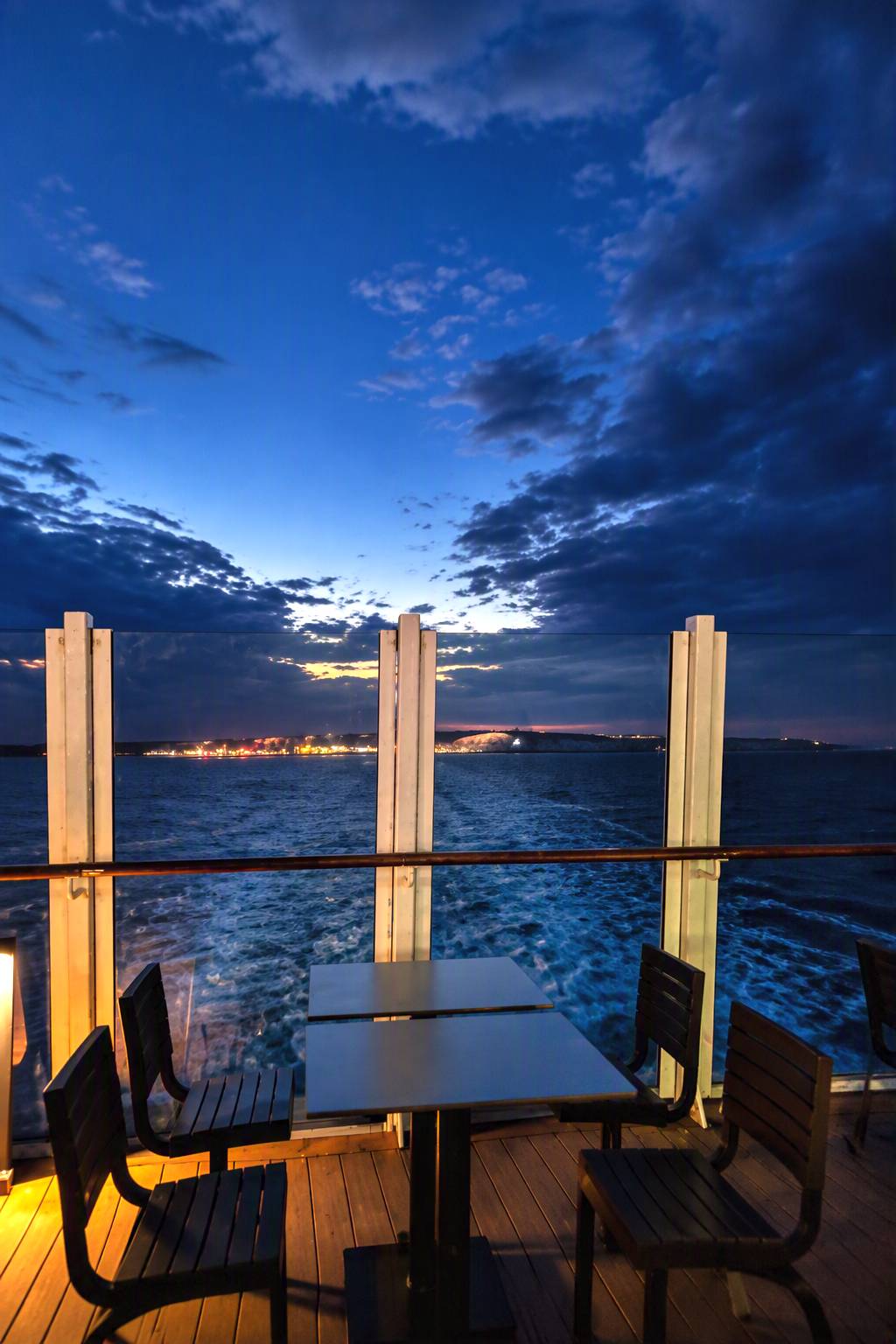
Our adventure began early in the morning, when we boarded the ferry to Dover and crossed the Channel, leaving the continent behind for three days in the English countryside.
Samphire Hoe: A Landscape Shaped by the Channel Tunnel
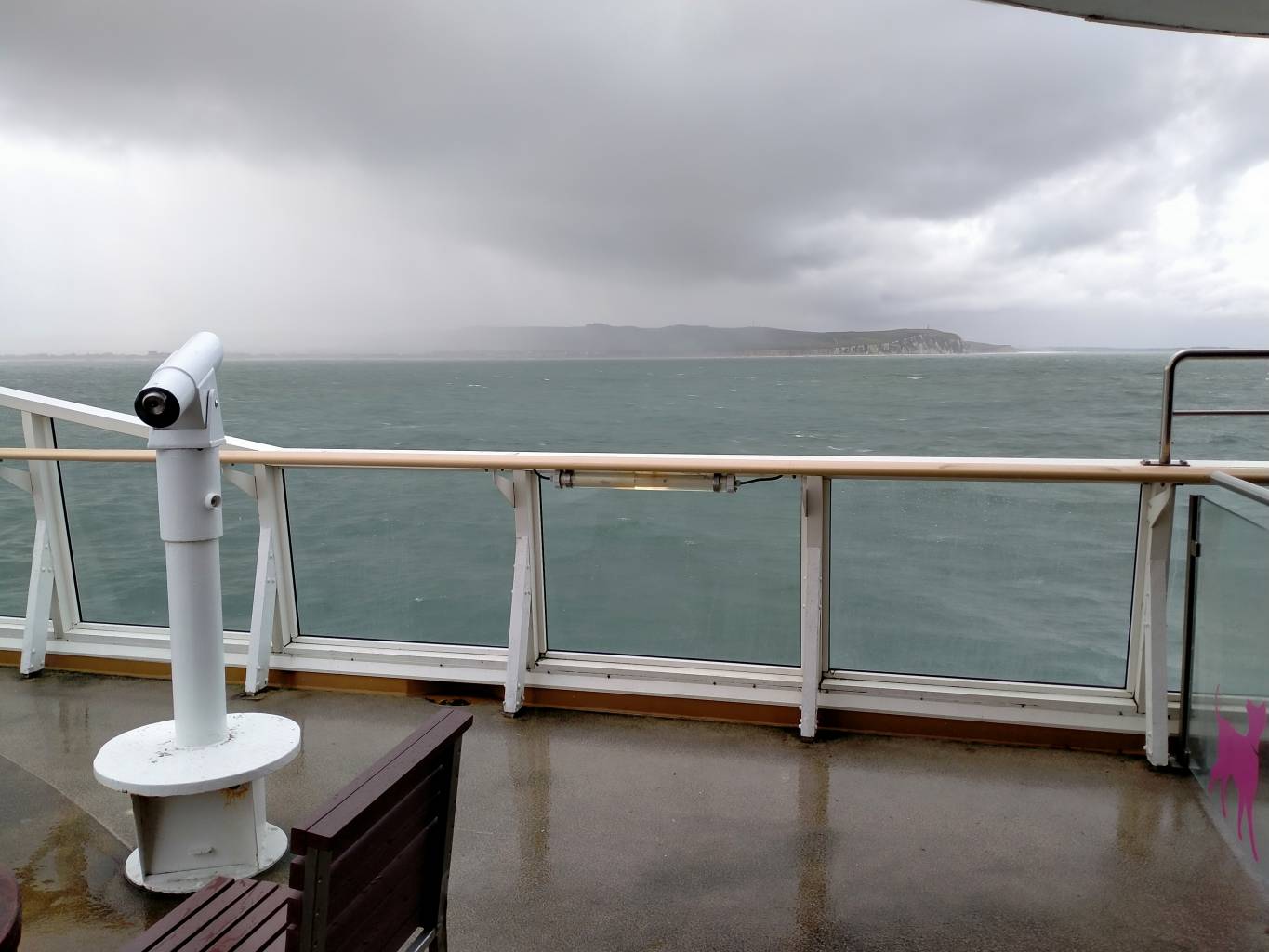
Our first stop was Samphire Hoe, a remarkable nature reserve tucked beneath the famous White Cliffs of Dover.
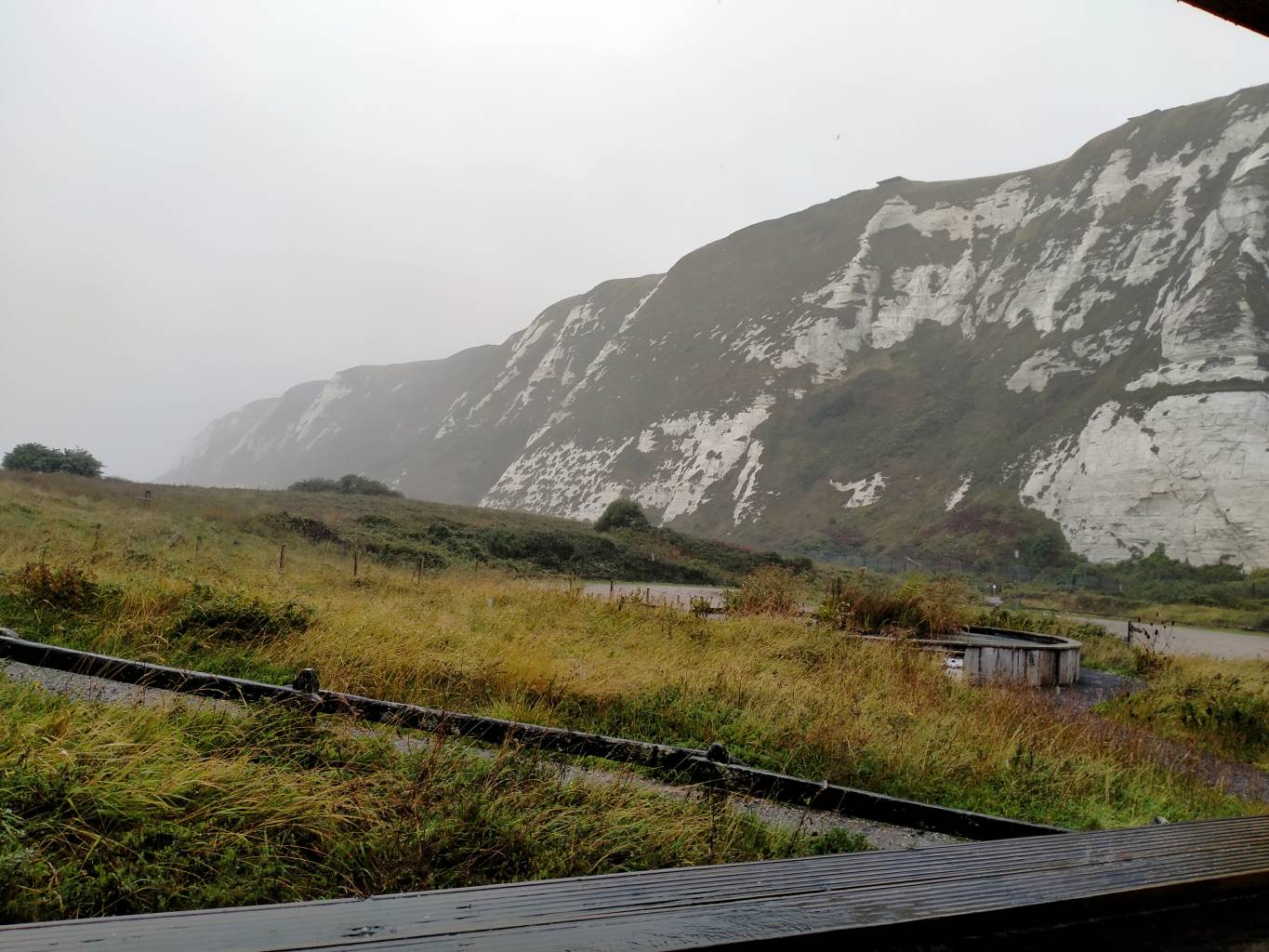
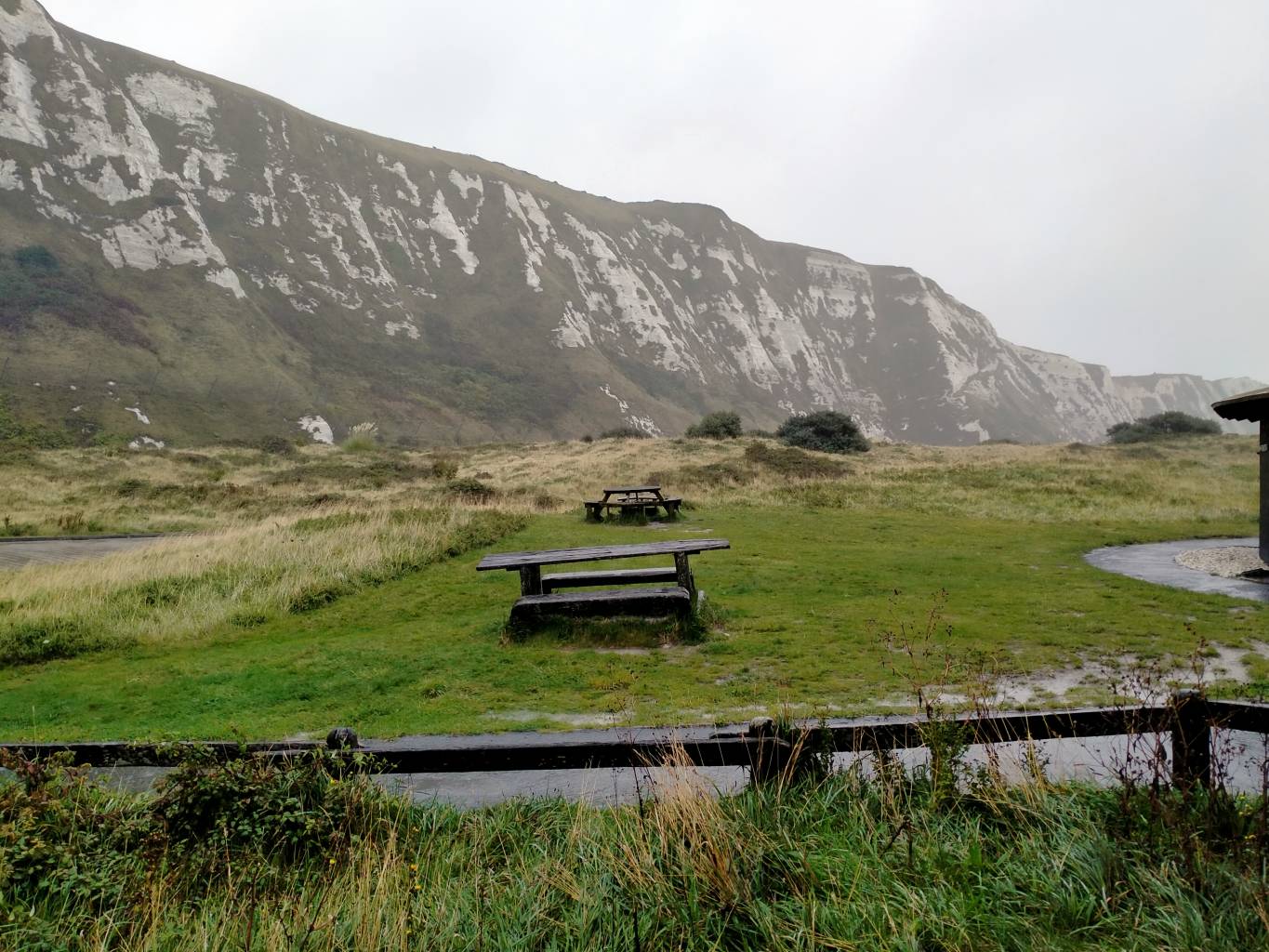
The landscape itself tells an interesting story. Created using chalk marl excavated during the construction of the Channel Tunnel, this stretch of reclaimed land has become a haven for wildlife. We enjoyed the coastal scenery while discovering how one of Europe’s most ambitious engineering projects had helped create an entirely new natural environment.
Rye: Medieval Streets and Smugglers’ Secrets
Around lunchtime, we arrived in Rye, one of the most picturesque historic towns in southeast England. Its cobbled streets, timber-framed houses and sloping lanes preserve much of the atmosphere of an earlier age. During the eighteenth century, Rye became associated with smuggling, when clandestine networks took advantage of the coastline to move goods into England. The town’s historic buildings still invite speculation about the activities that once took place behind their respectable façades.
We explored the old streets before enjoying lunch at The Mermaid Inn, a historic establishment dating back to 1420. With its ancient timberwork and atmospheric interior, the inn provided an appropriate setting for a town with such a colourful past.
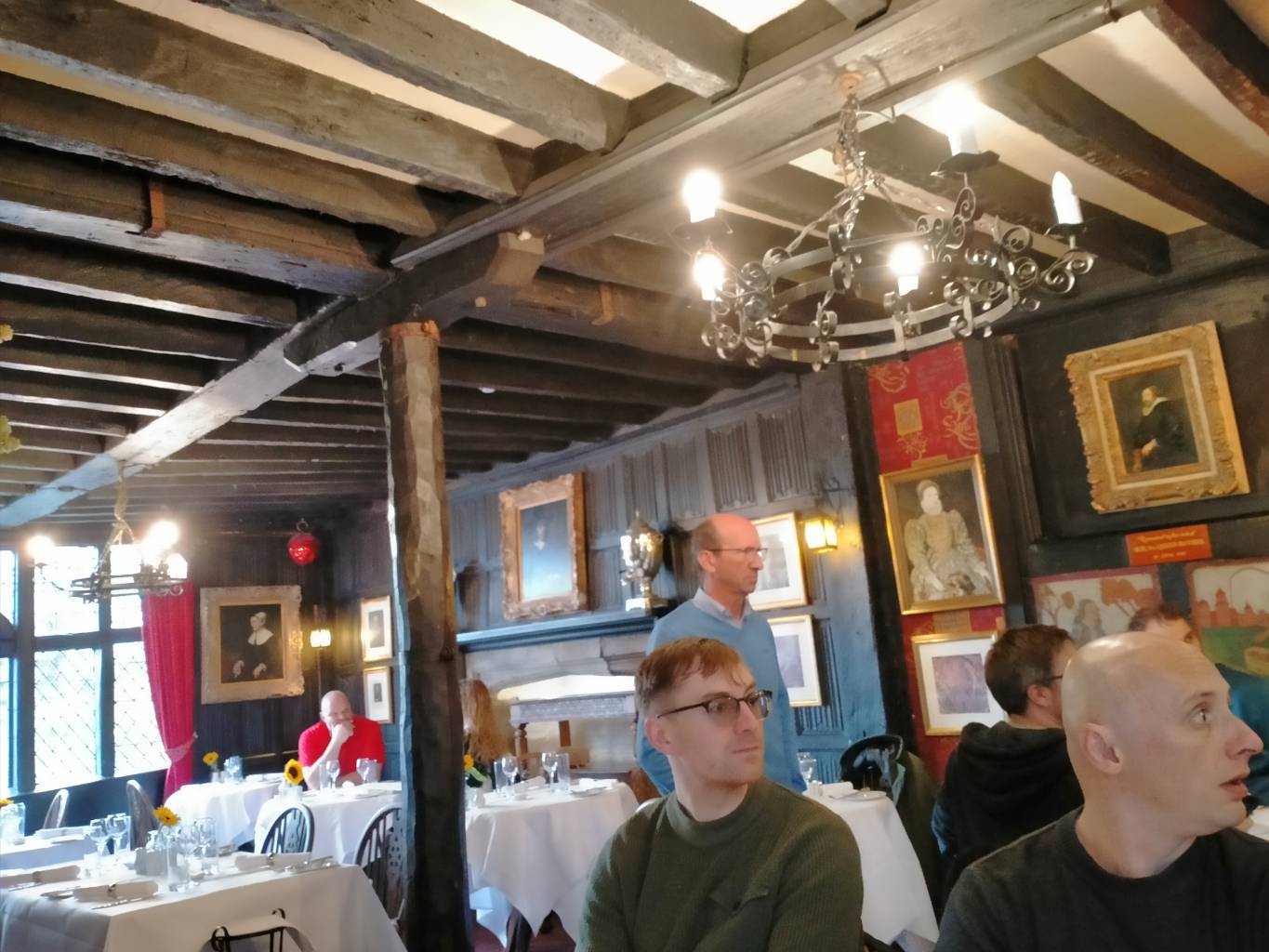
The building is reputed to contain hidden passages and secret hiding places associated with its smuggling history. We left the more adventurous members of the group to consider whether any of these might have proved useful if the lunch had failed to impress.
Scotney Castle: Romantic Ruins and English Garden Design
In the afternoon, we continued to Scotney Castle, one of Kent’s most beautiful historic estates.
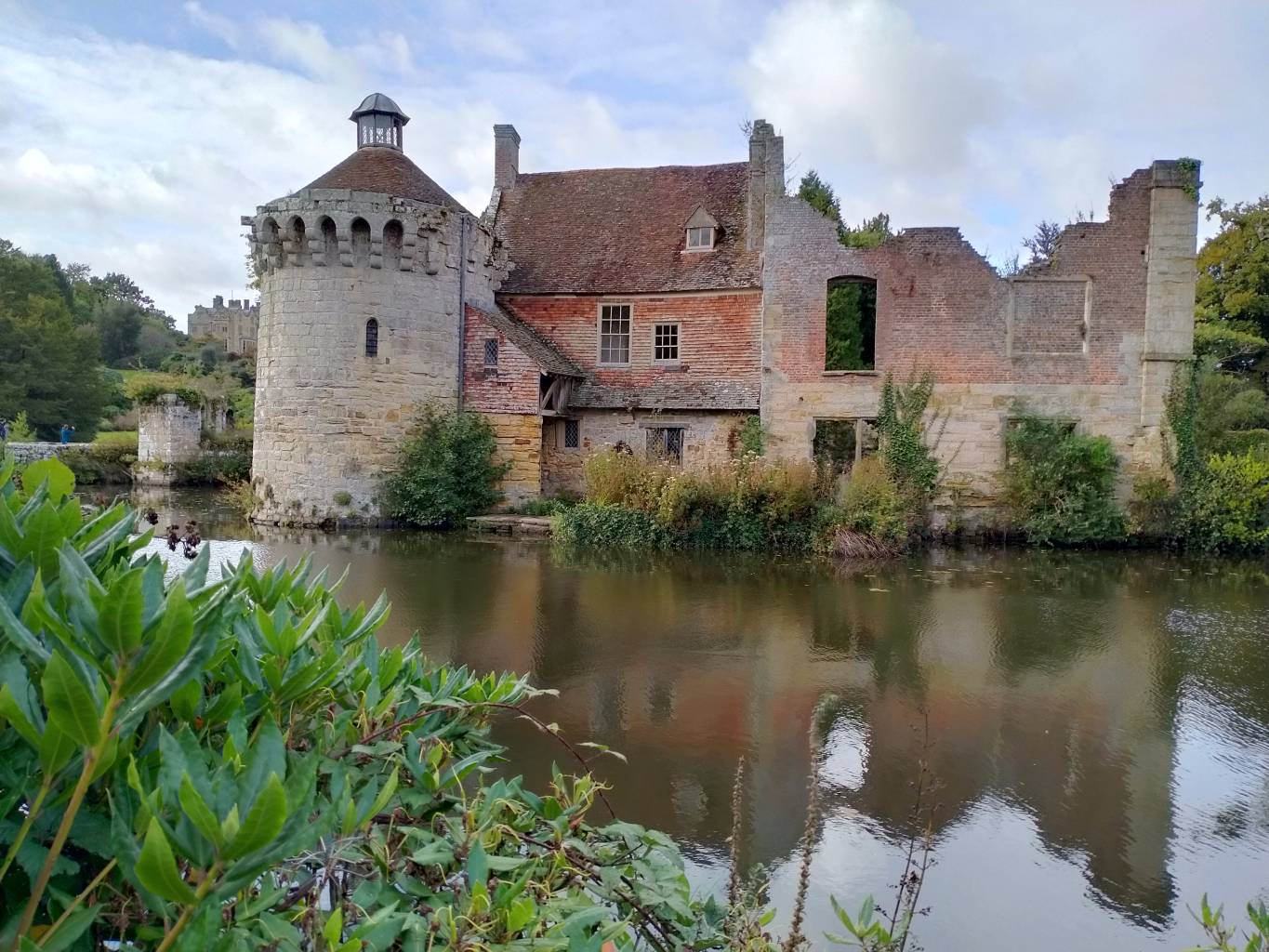
The medieval castle ruins sit within a carefully designed landscape garden, surrounded by trees, water and gently rolling lawns. The setting illustrates the English tradition of treating the landscape as an artistic composition, with views and planting arranged to create the impression of natural beauty.
Abbots Barton Hotel: A Victorian Welcome
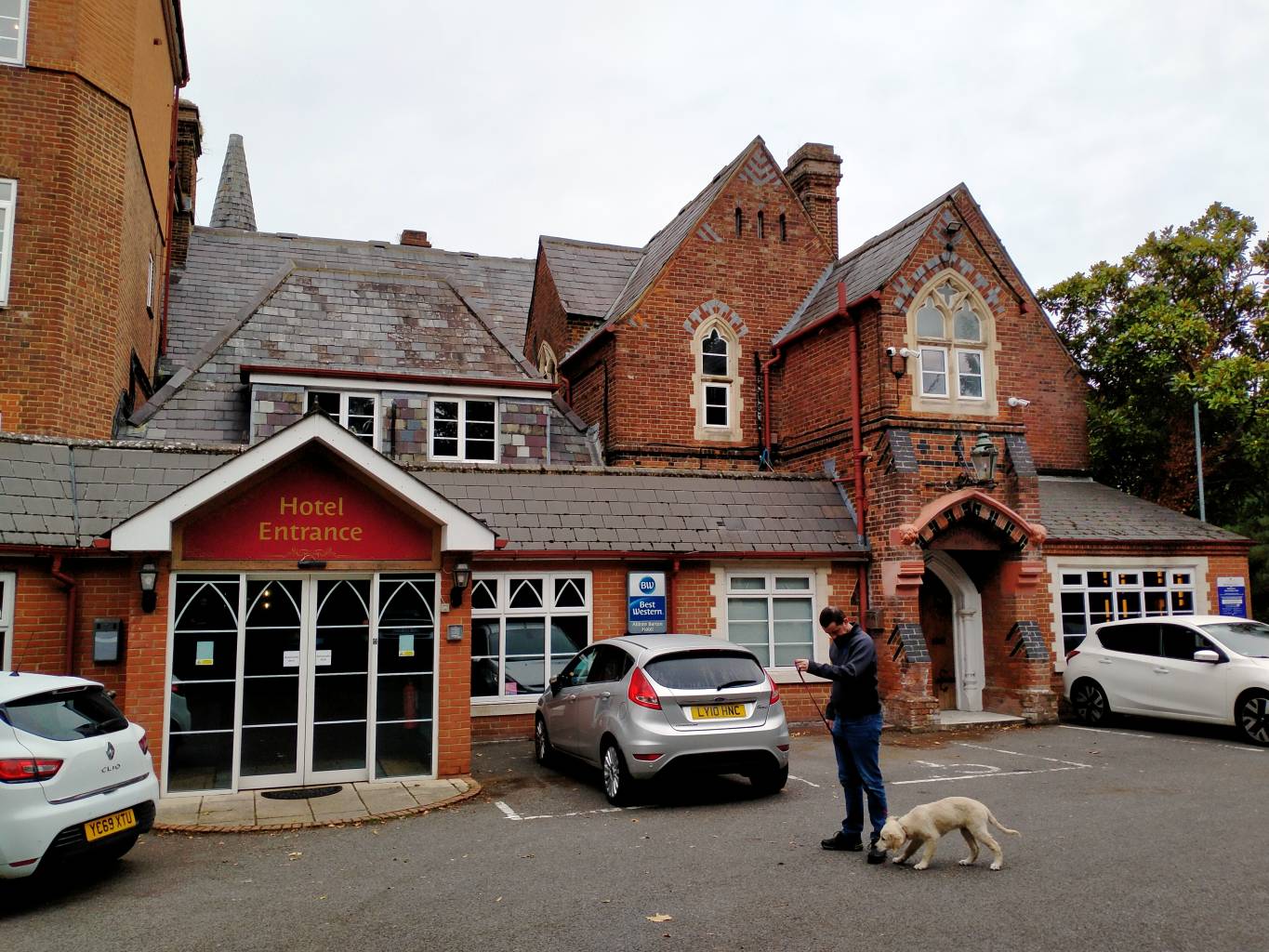
Towards the end of the afternoon, we travelled to Canterbury and checked into the elegant Victorian Abbots Barton Hotel, our home for the next two nights.
Day 2: Historic Rochester and English Wine
Rochester: Castles, Dickens and Riverside Charm
Rochester welcomed us with its impressive historic centre, where the castle and cathedral reflect the town’s importance over many centuries.
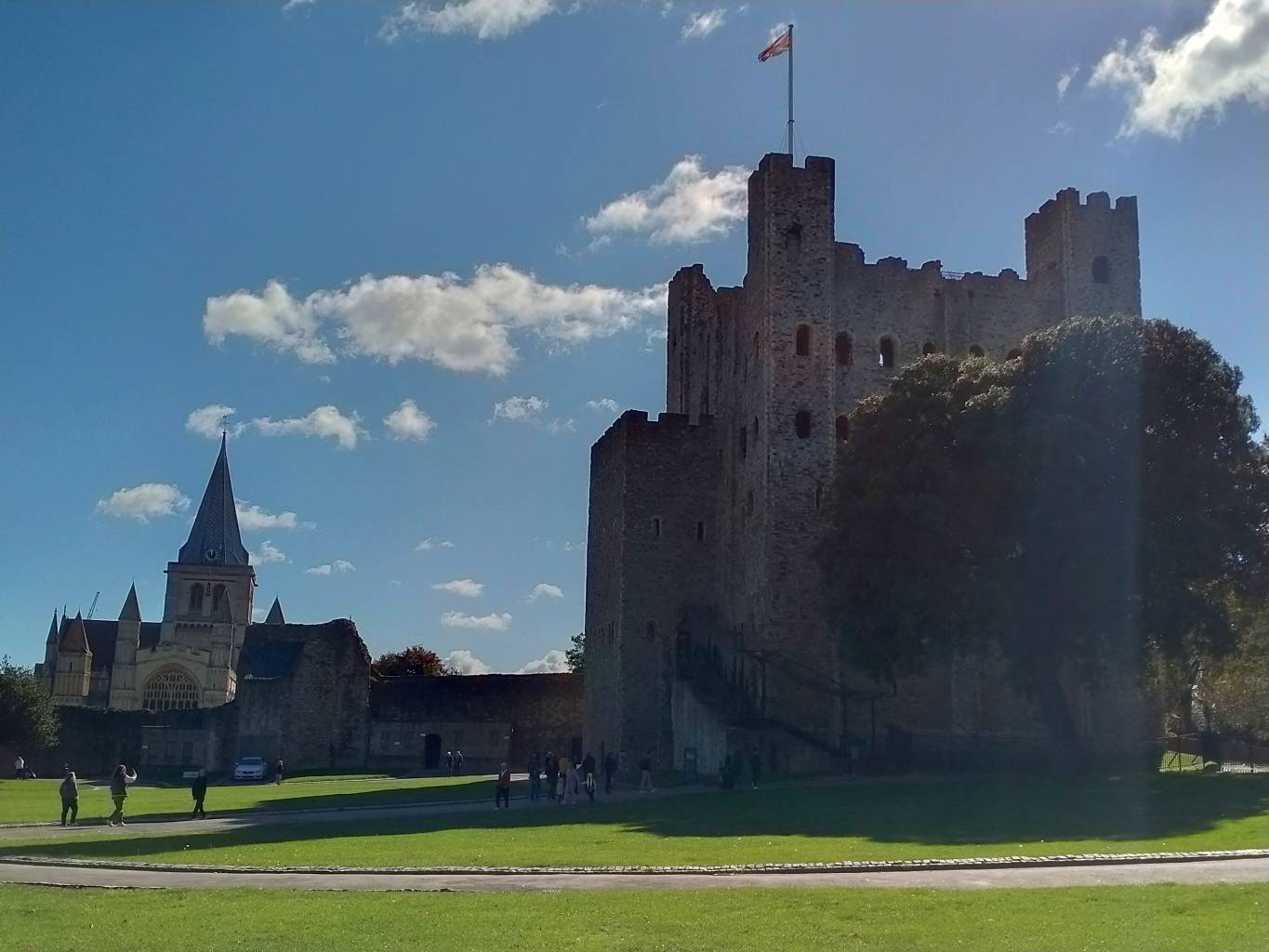
Rochester Castle, with its imposing stone keep, recalls the strategic role the town played in England’s medieval history. Nearby, Rochester Cathedral traces its origins to the early days of Christianity in England. The town also has strong literary connections. Charles Dickens knew Rochester and its surroundings well, drawing inspiration from the area for several of his novels.
Woolton Farm: Discovering English Wine and Cider
In the afternoon, we travelled to Woolton Farm, a family-run farm and vineyard in the Kent countryside. The Mount family has owned the property for around a century, producing wine and cider from the surrounding agricultural landscape.
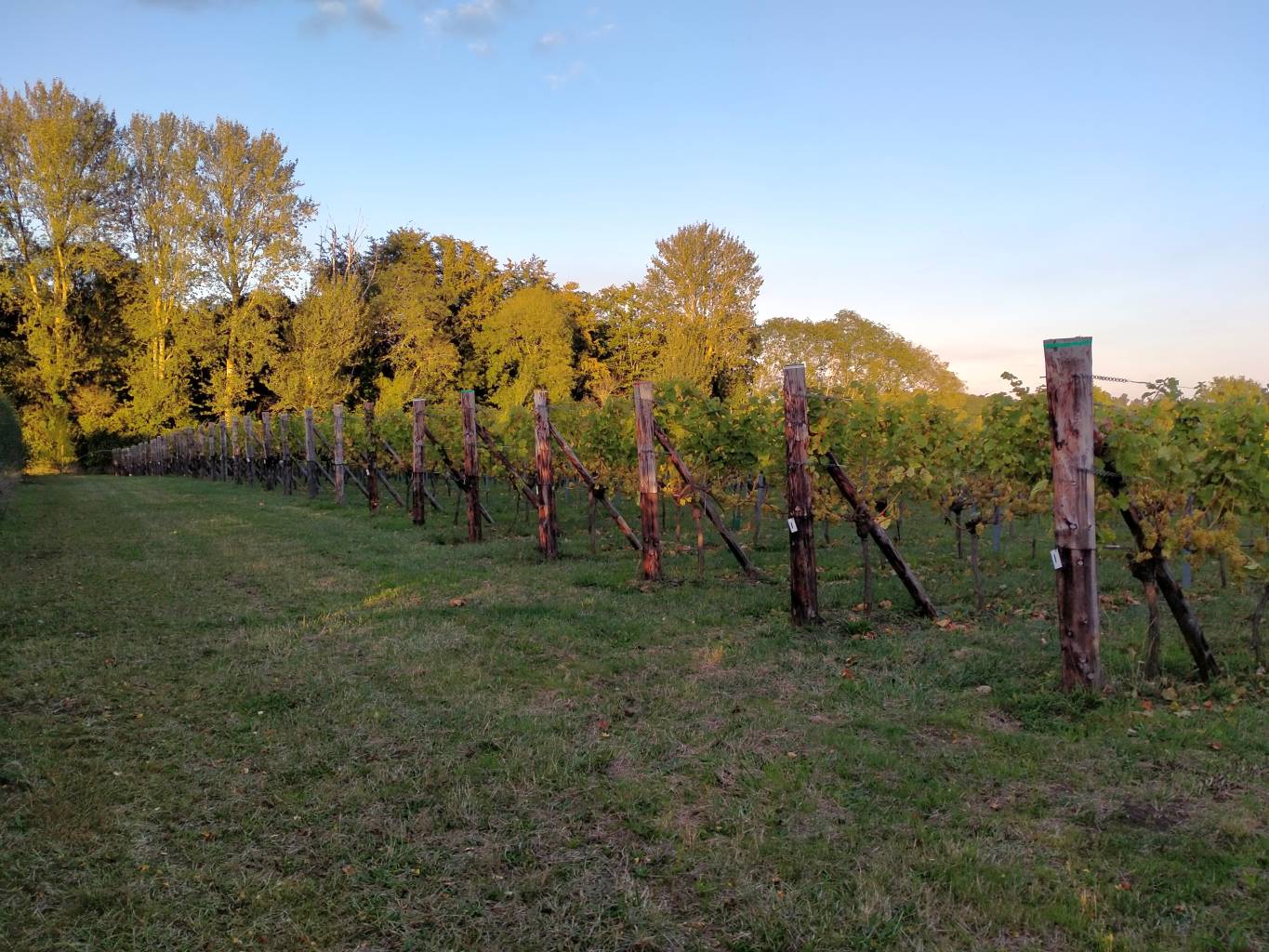
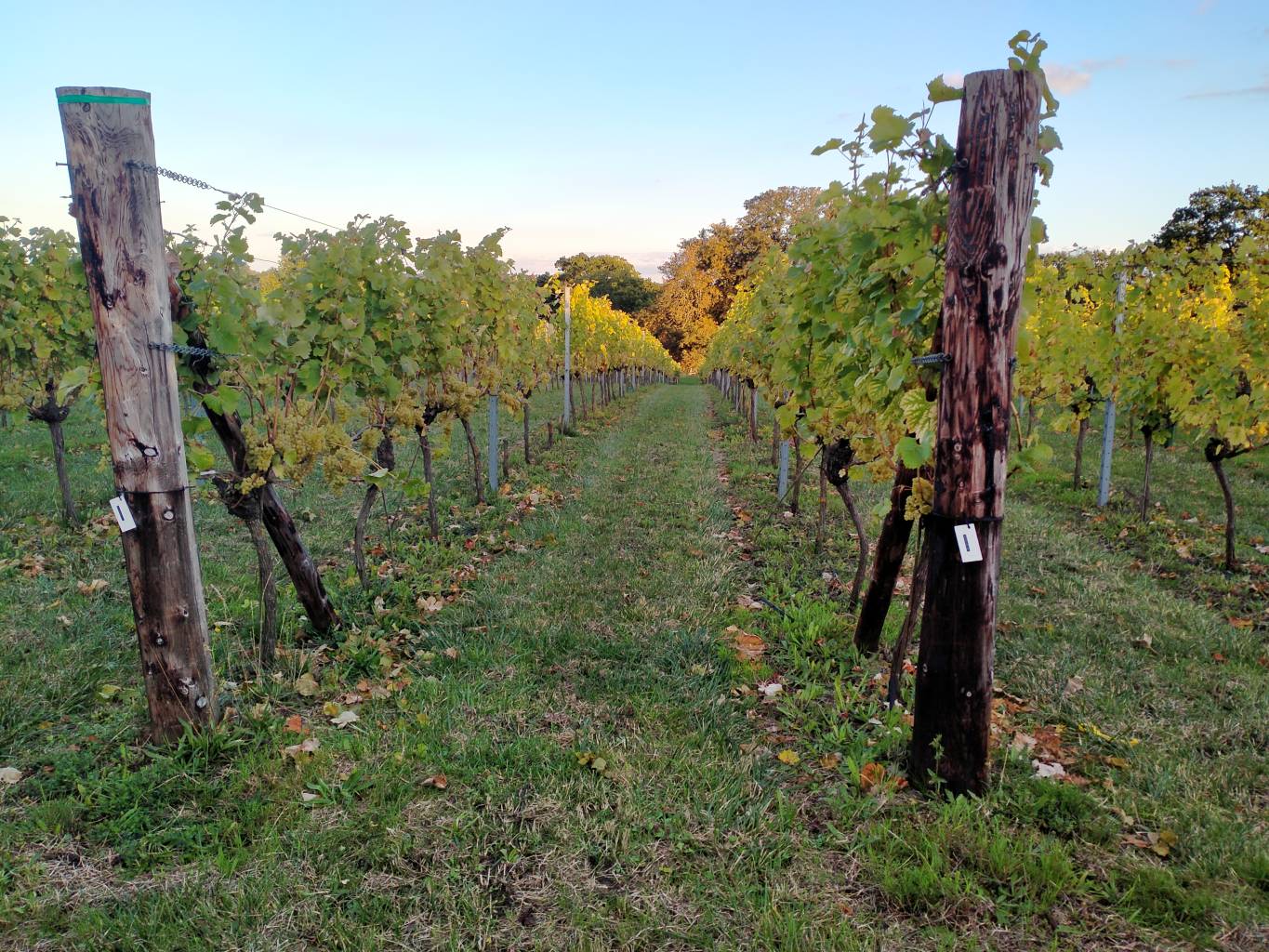
During our visit, we learned more about the farm’s history and its production methods before enjoying a guided tour and tasting. The experience offered an introduction to Kent’s wine-growing traditions and the agricultural heritage that has earned the county its nickname, the Garden of England.
Day 3: Canterbury, England’s Medieval Heart
Canterbury Cathedral: Fourteen Centuries of History
Canterbury Cathedral was the natural highlight of our final day. The city has been a centre of Christianity in England since the arrival of St Augustine in 597 AD, and its cathedral became one of medieval Europe’s most important pilgrimage destinations following the murder of Archbishop Thomas Becket in 1170.
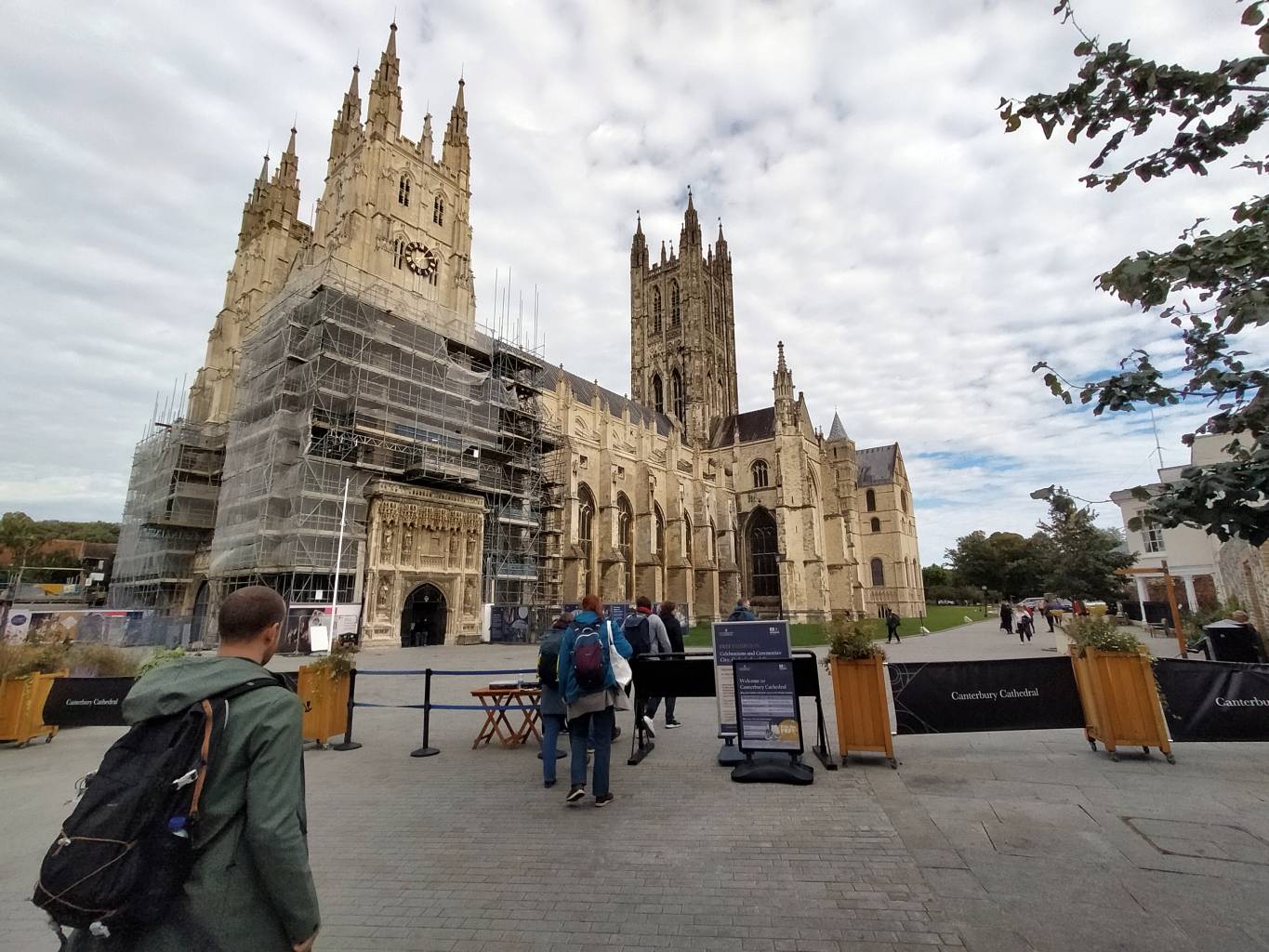
The Historic City Centre
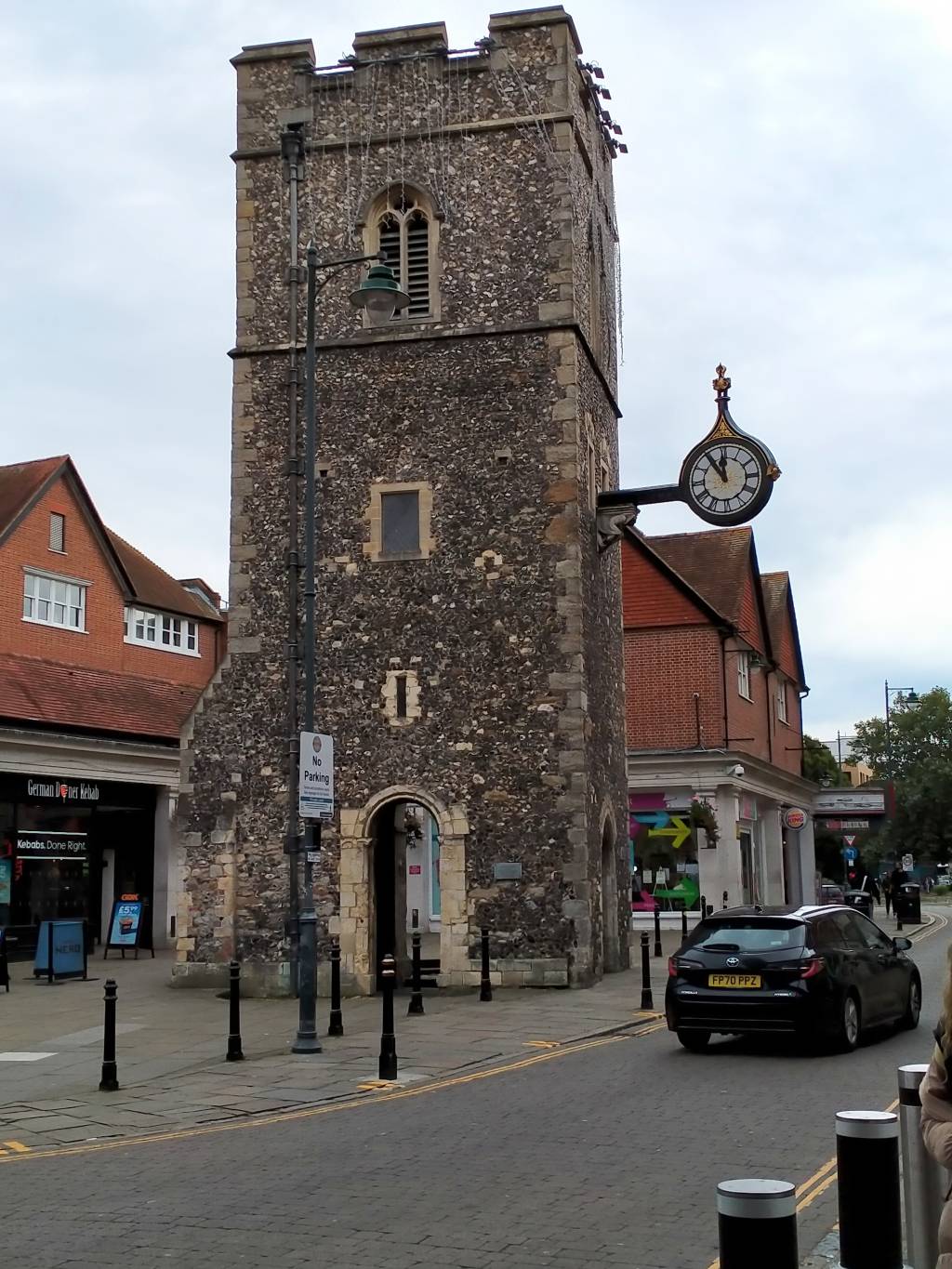
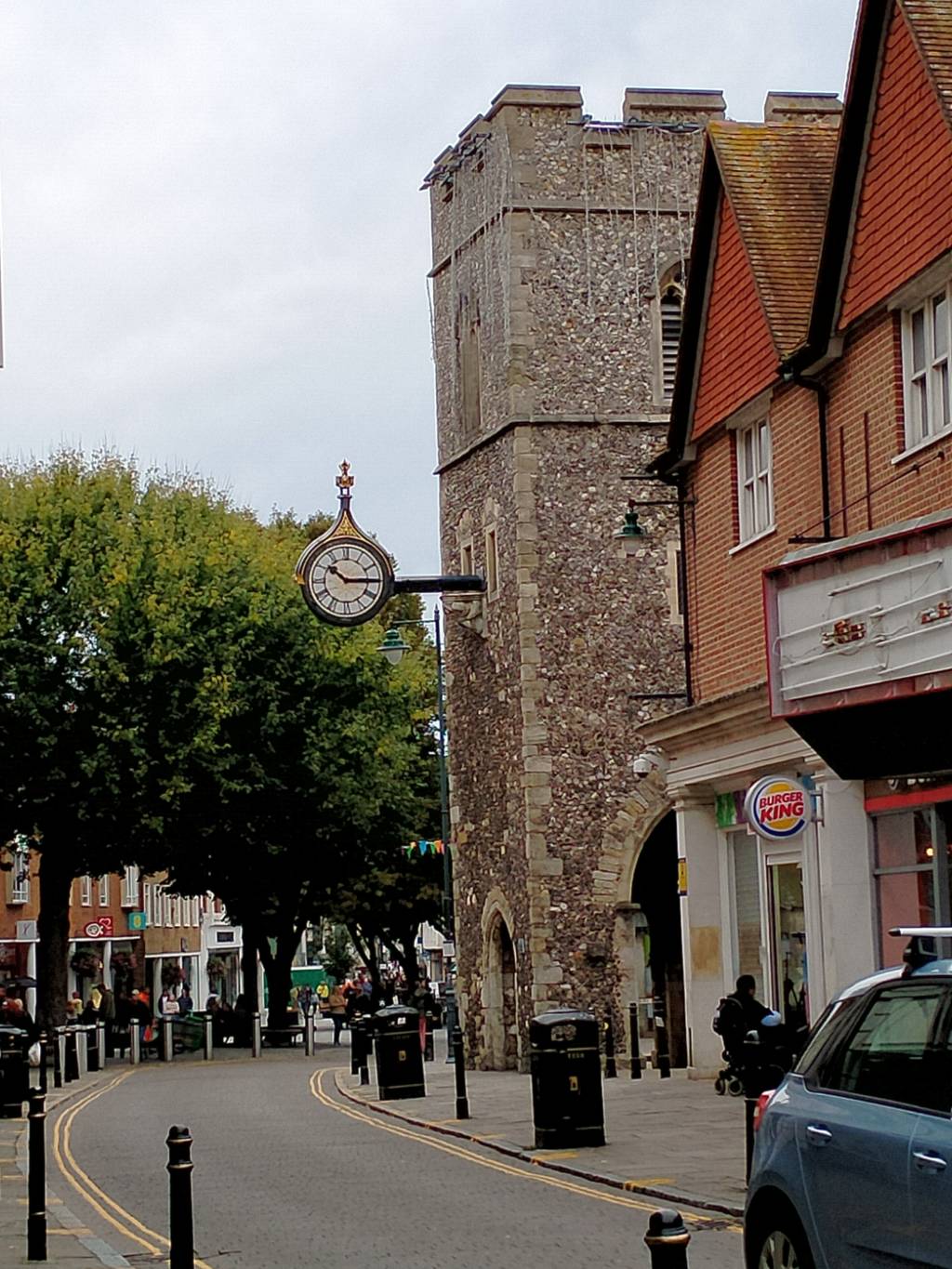
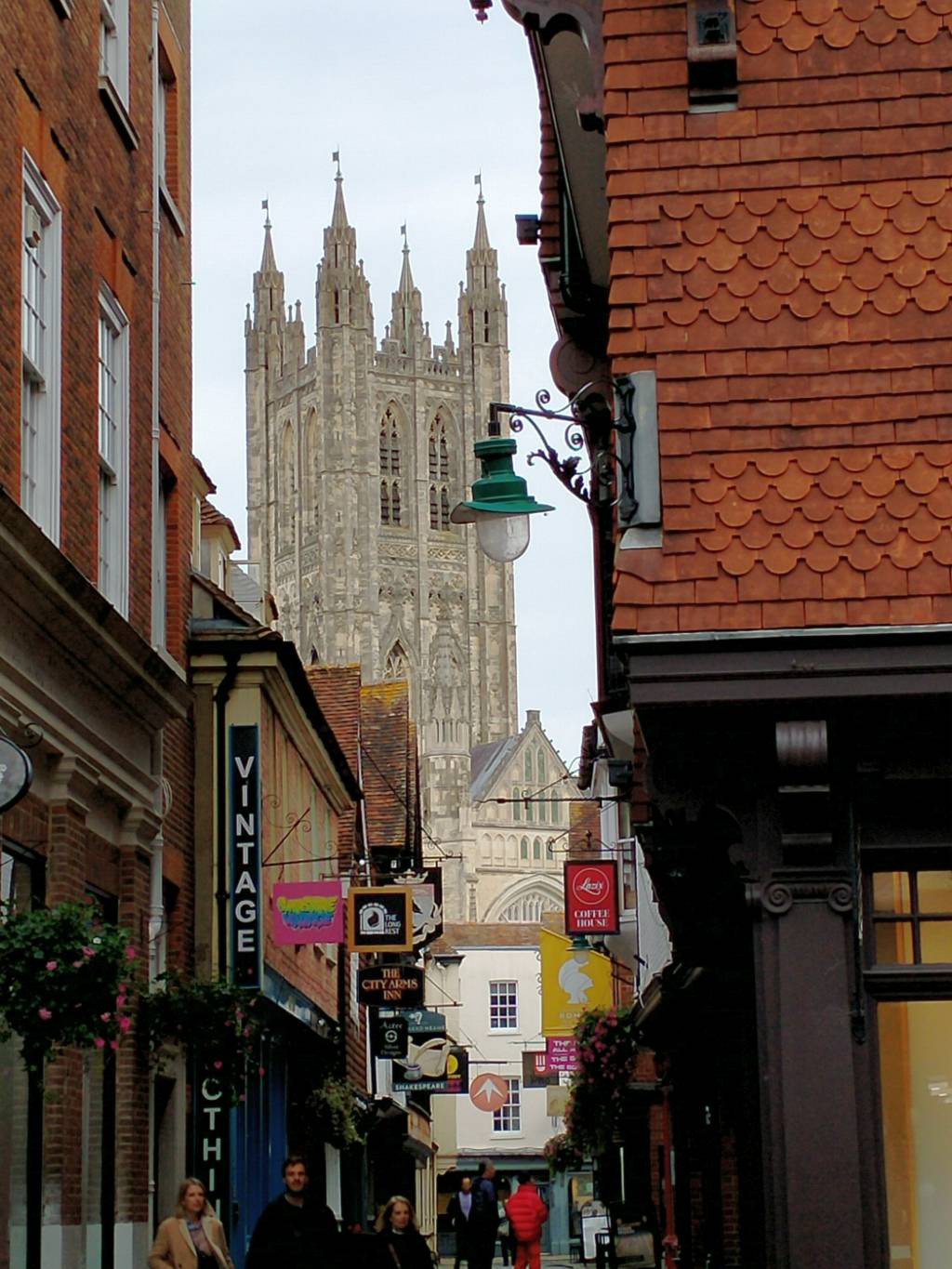
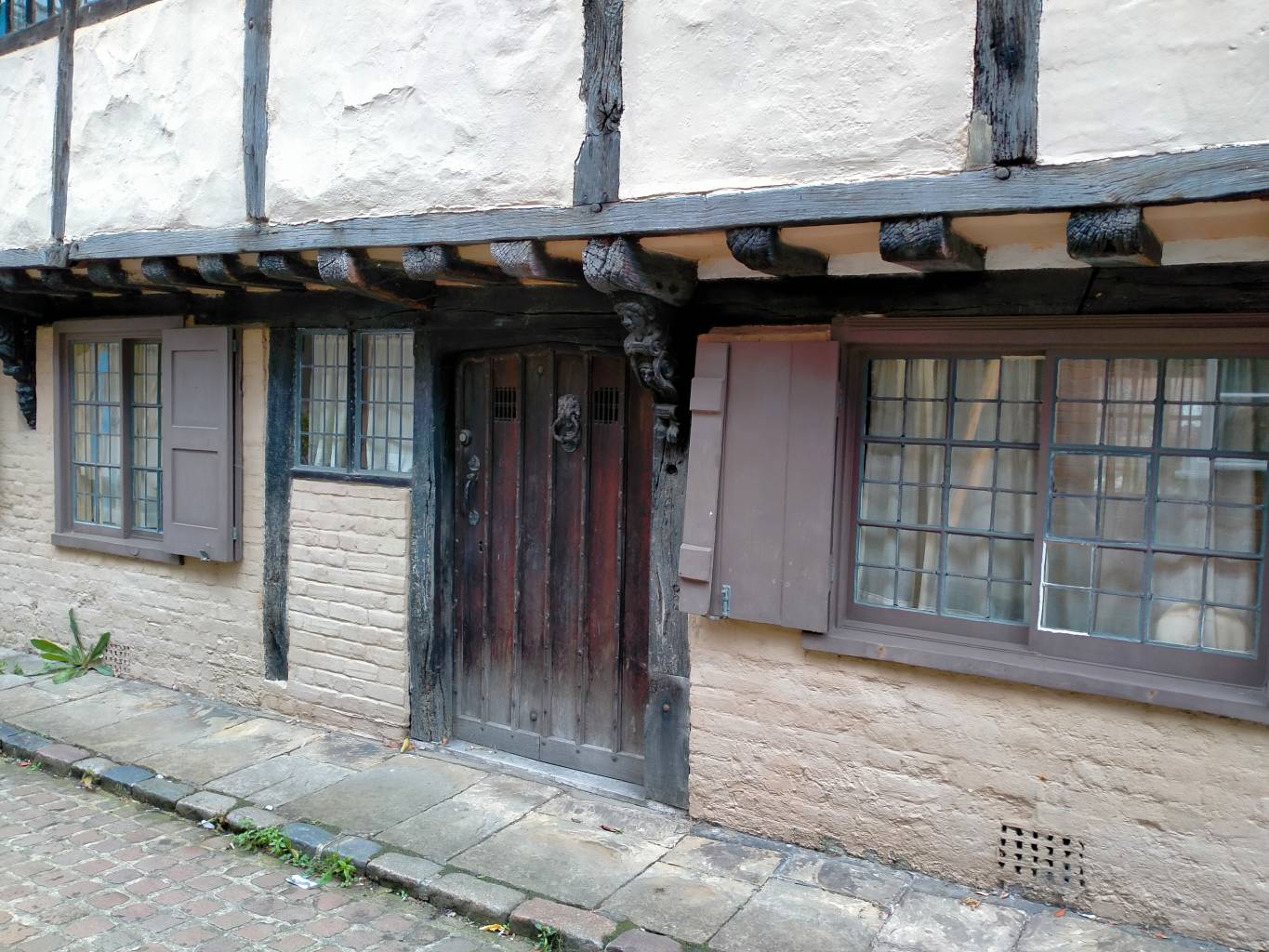
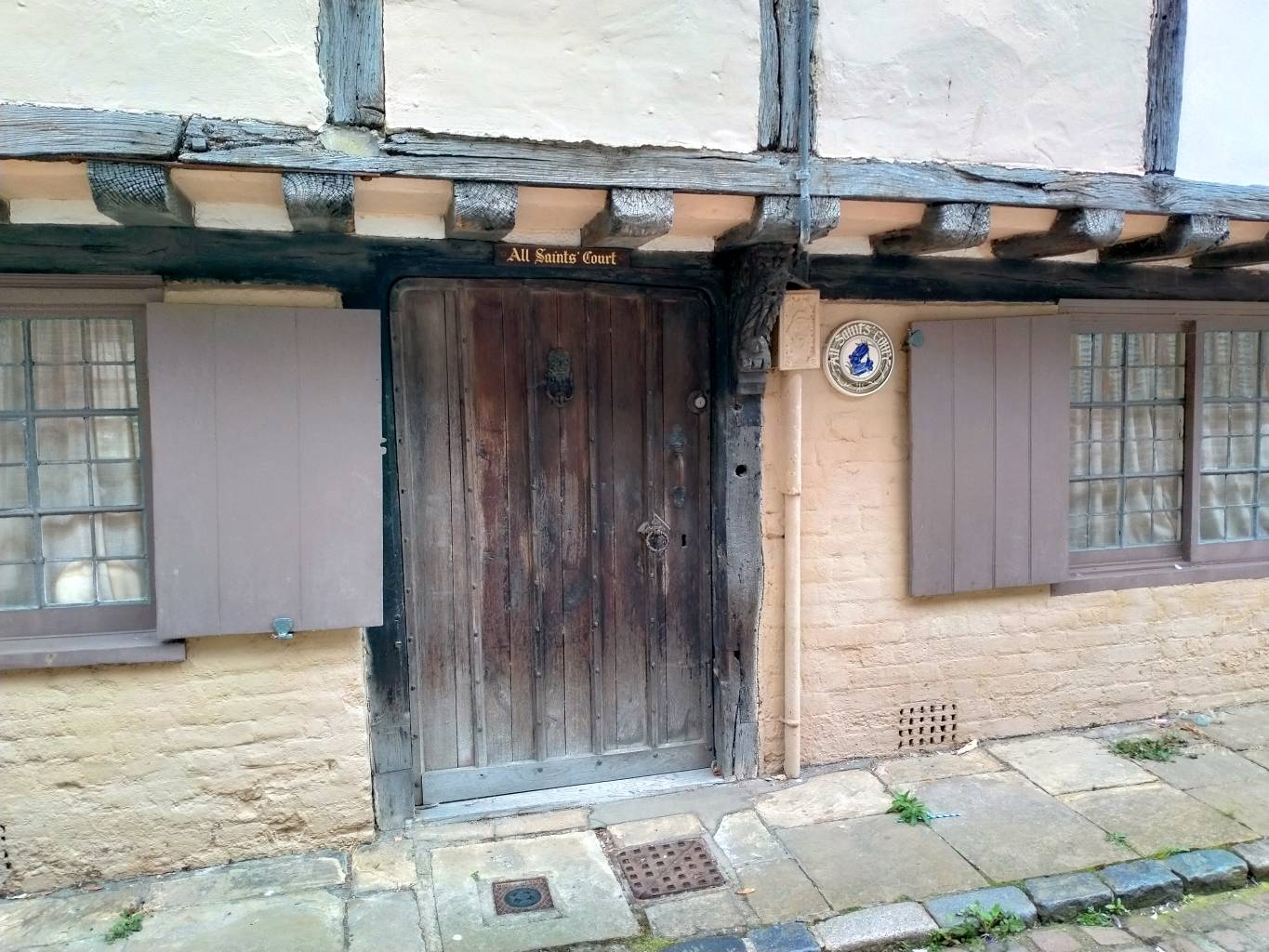
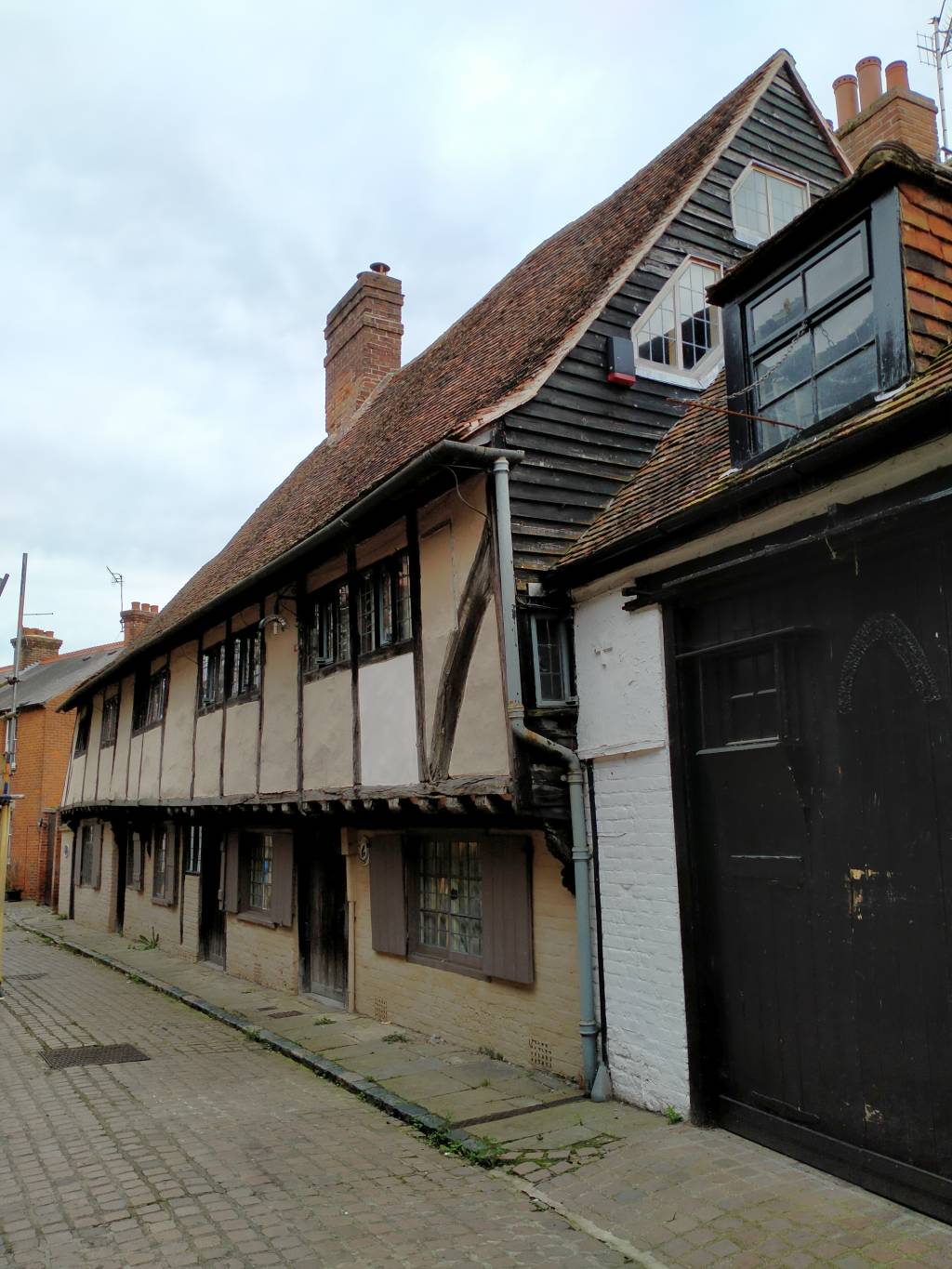
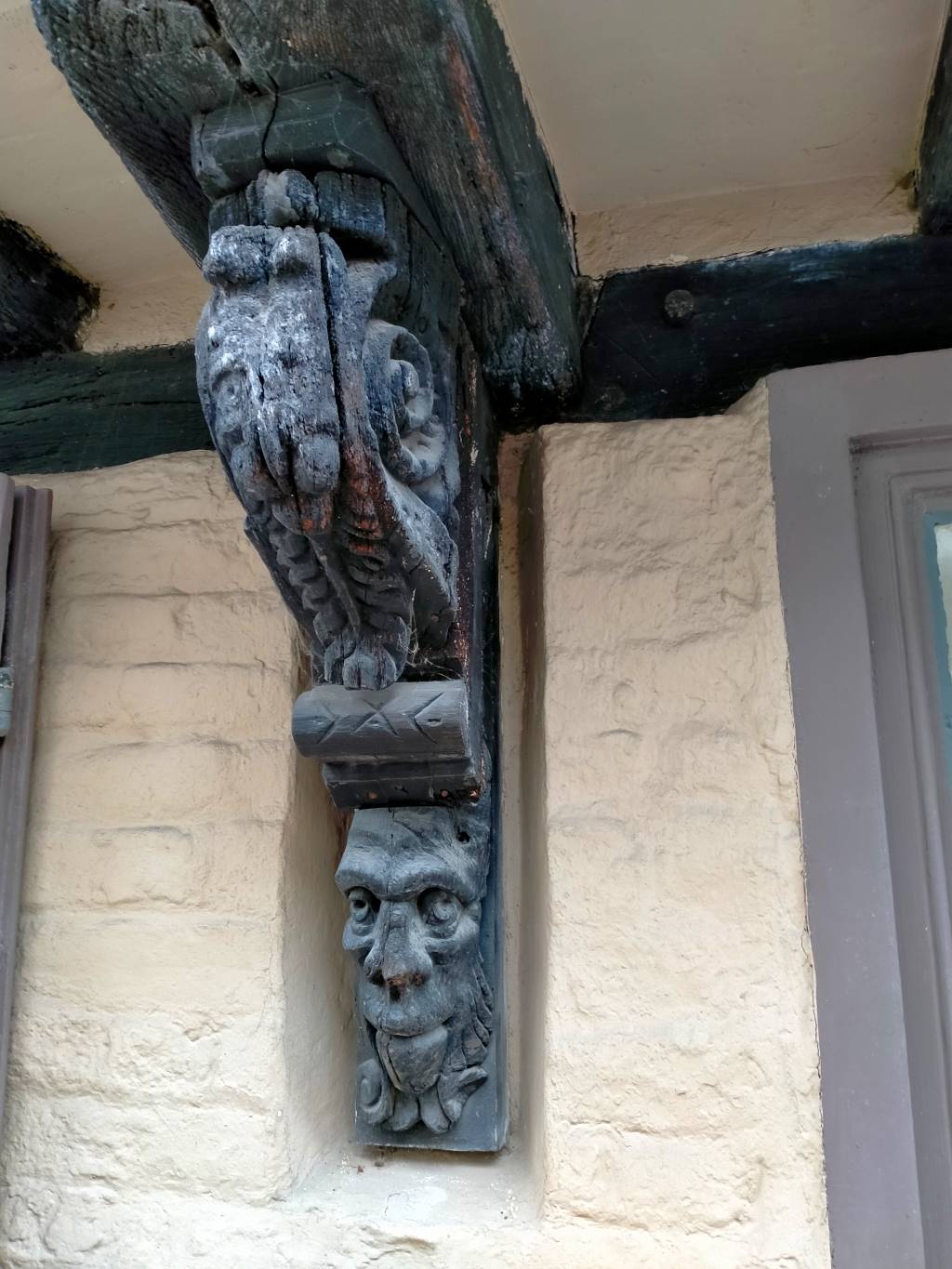
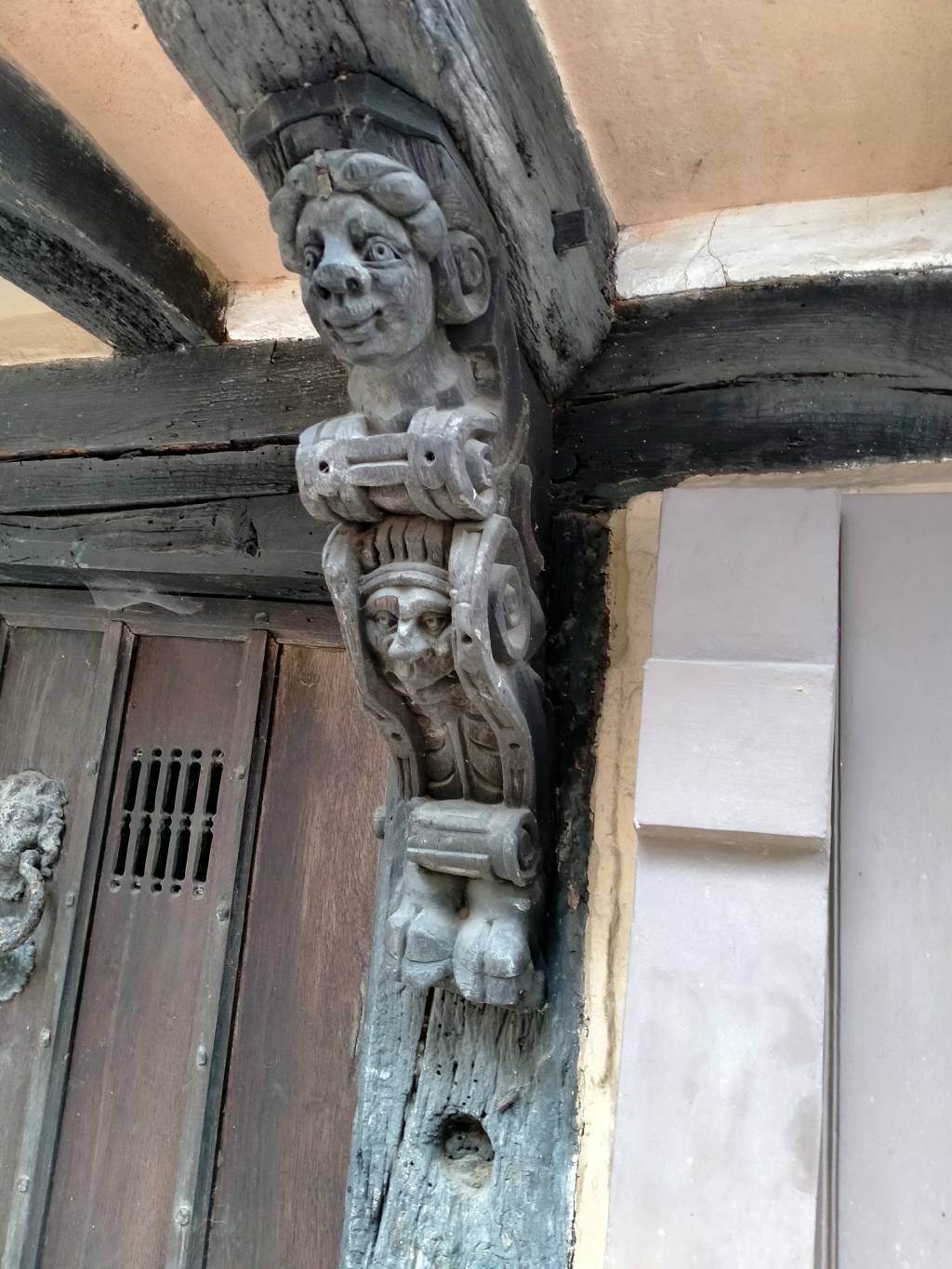
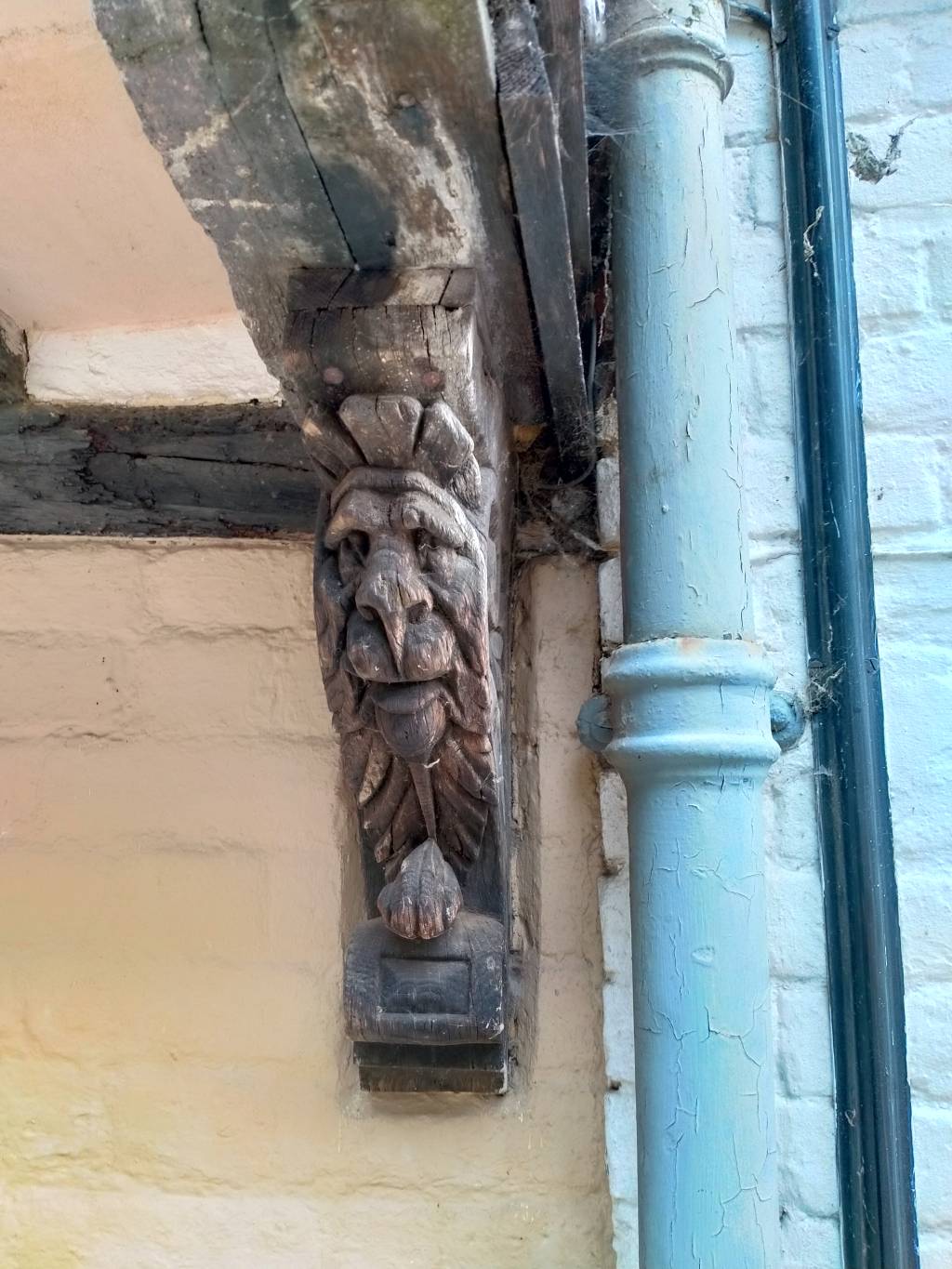
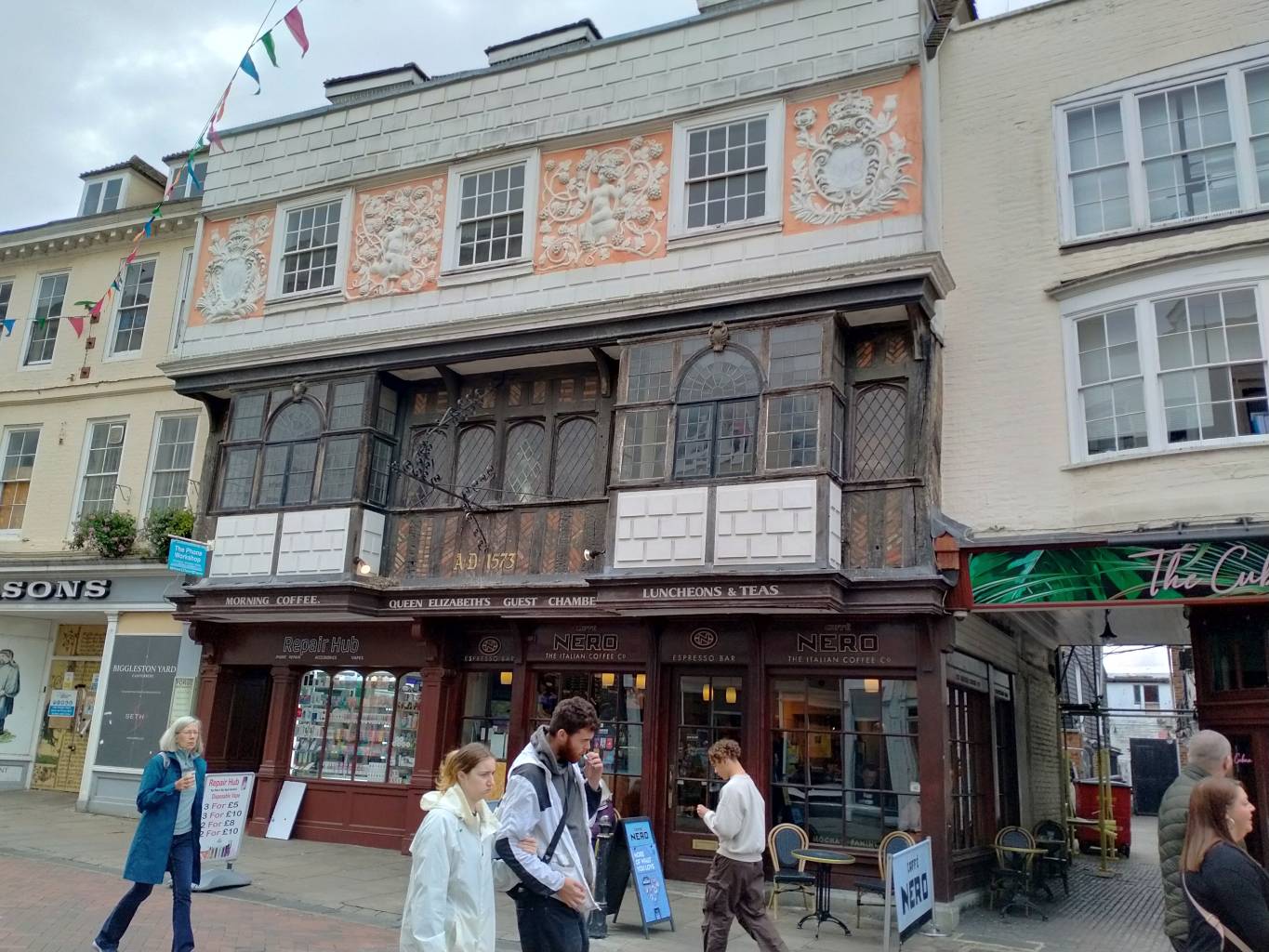
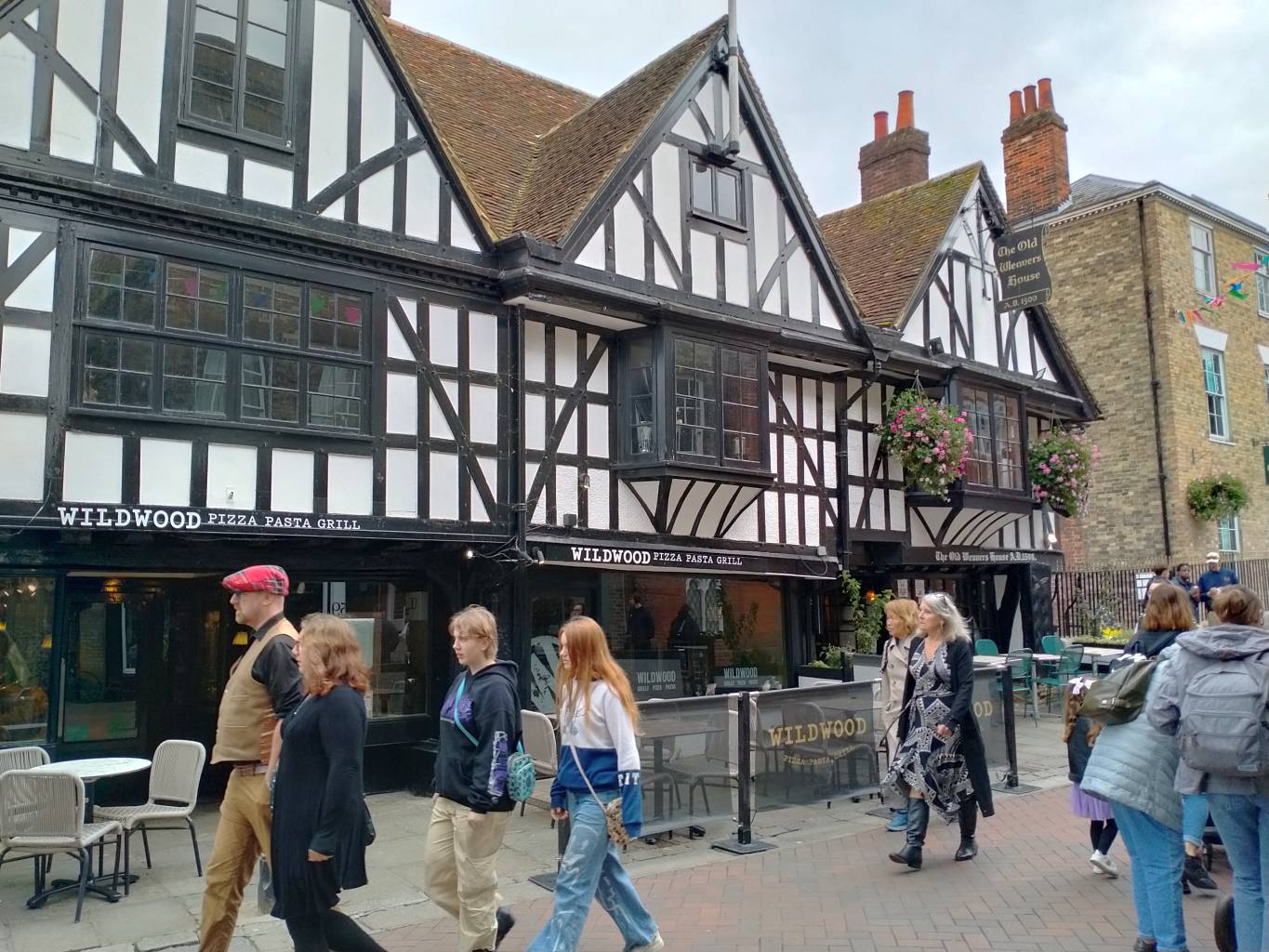
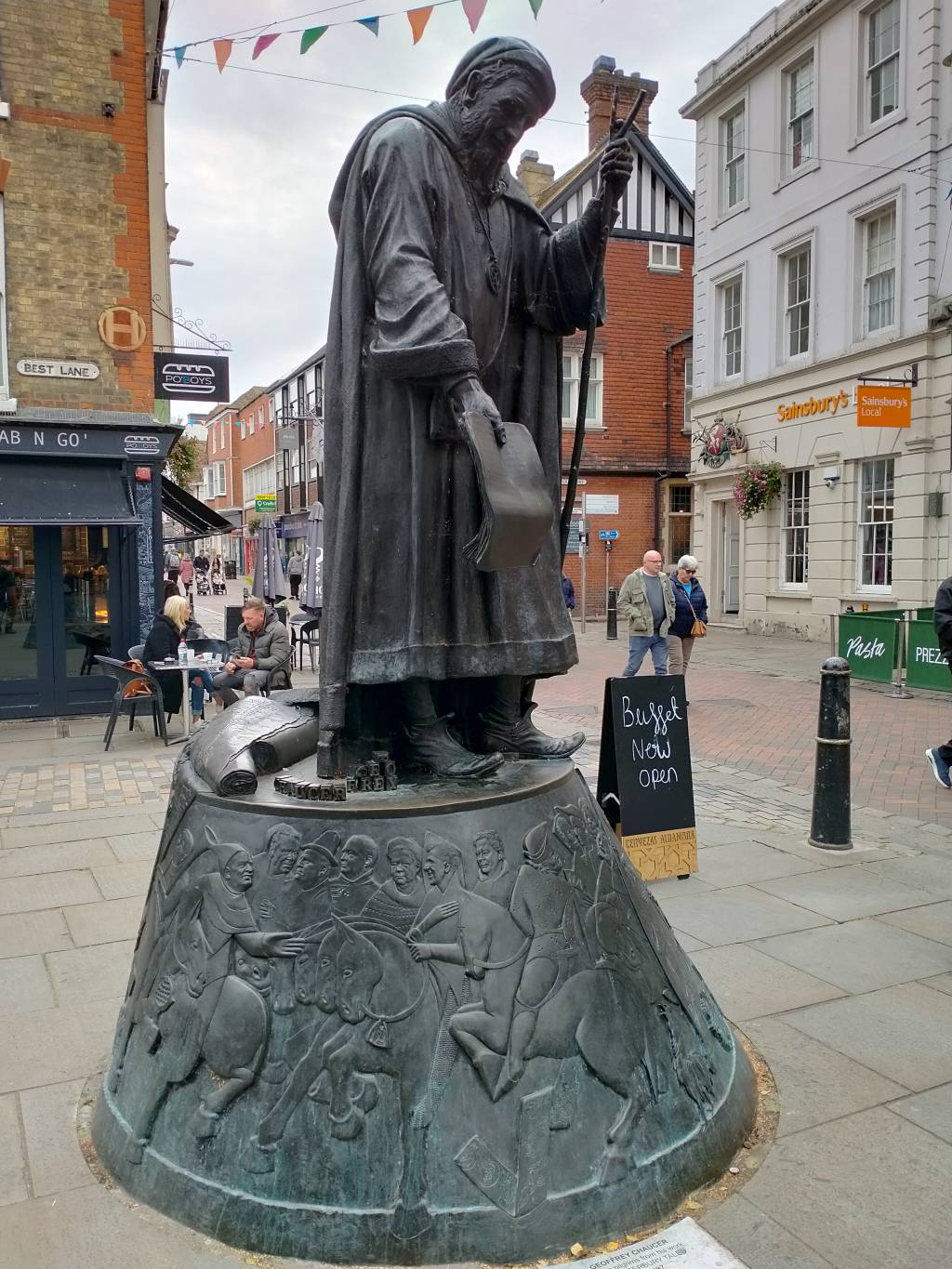
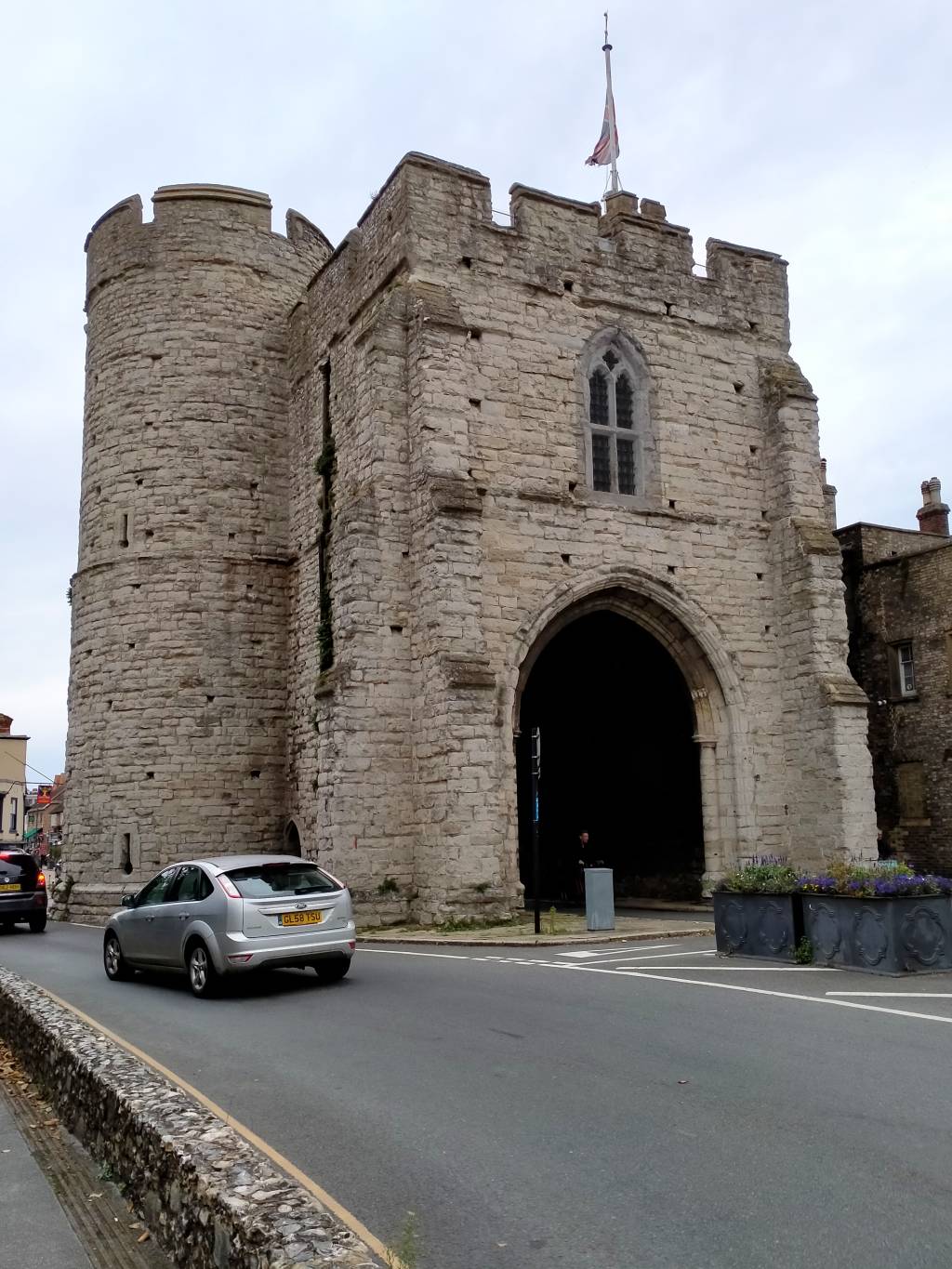
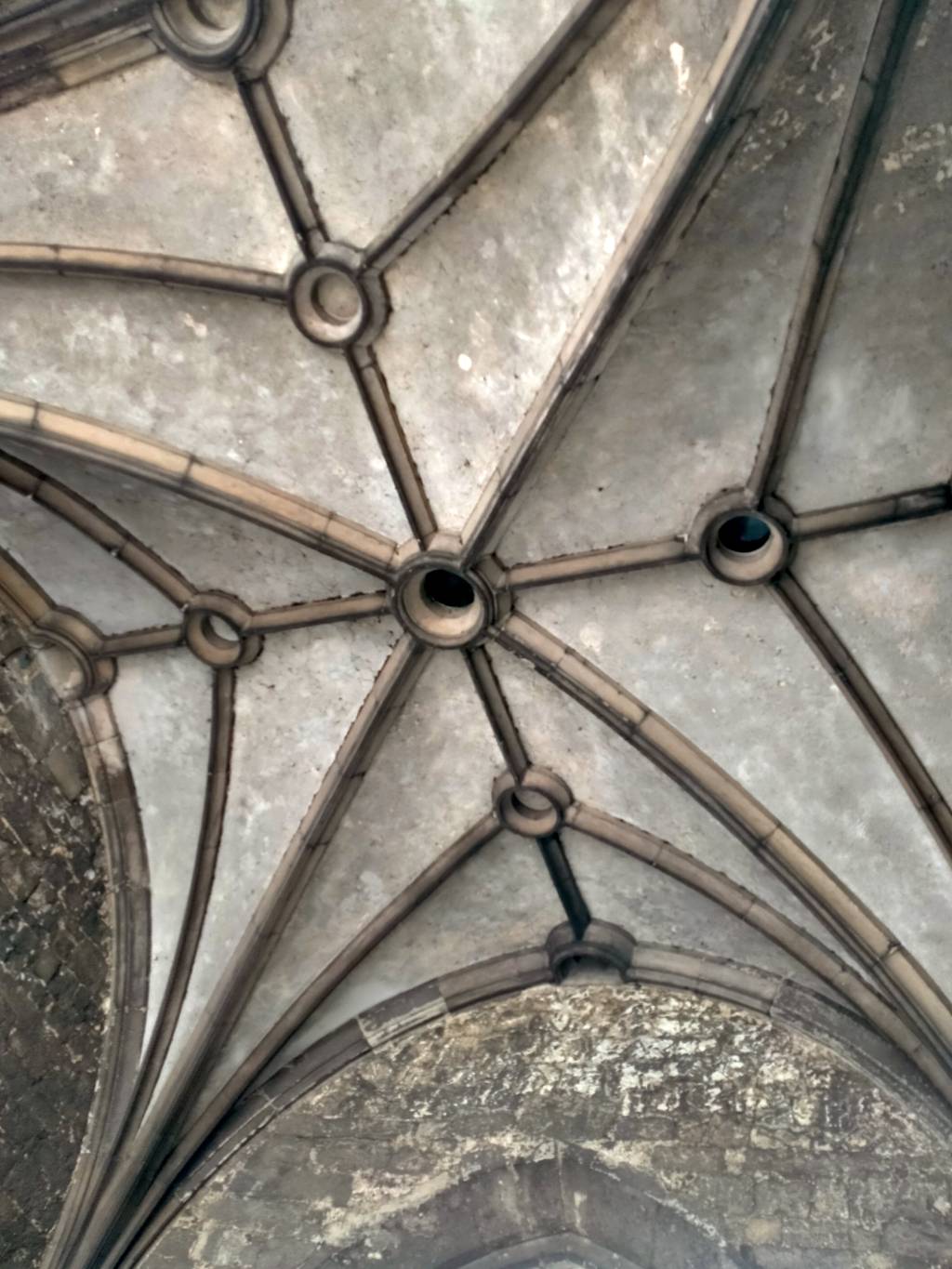
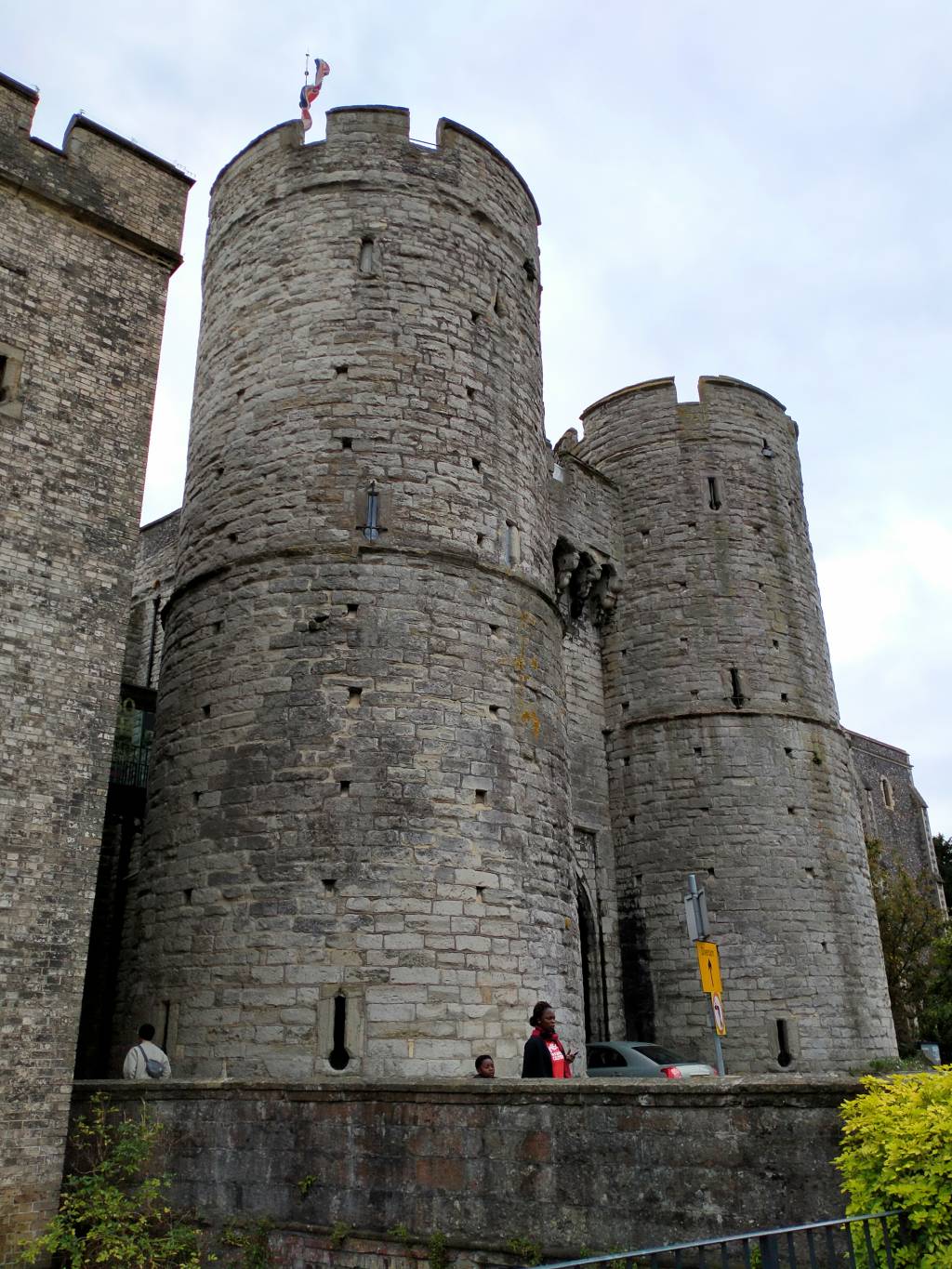
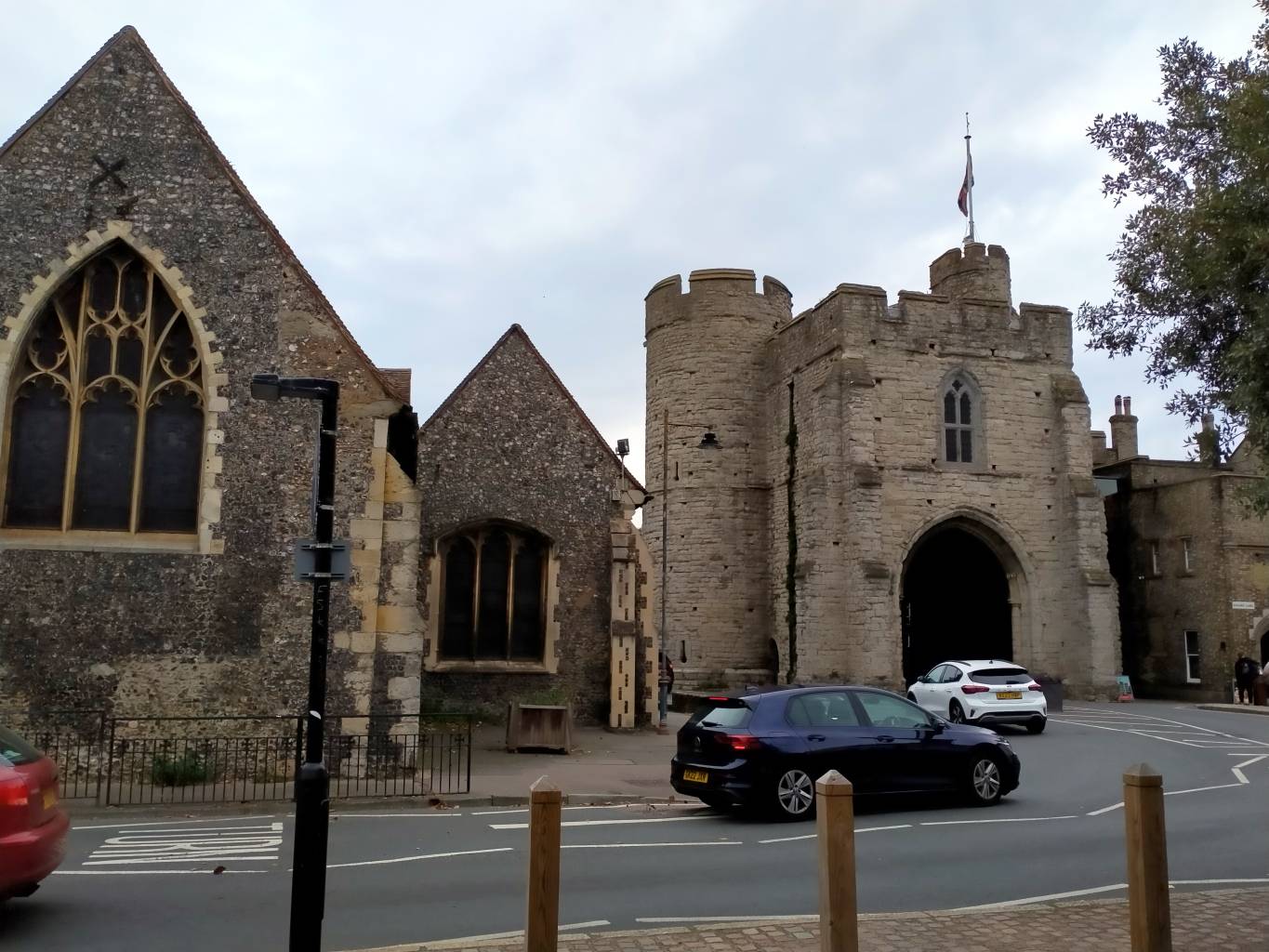
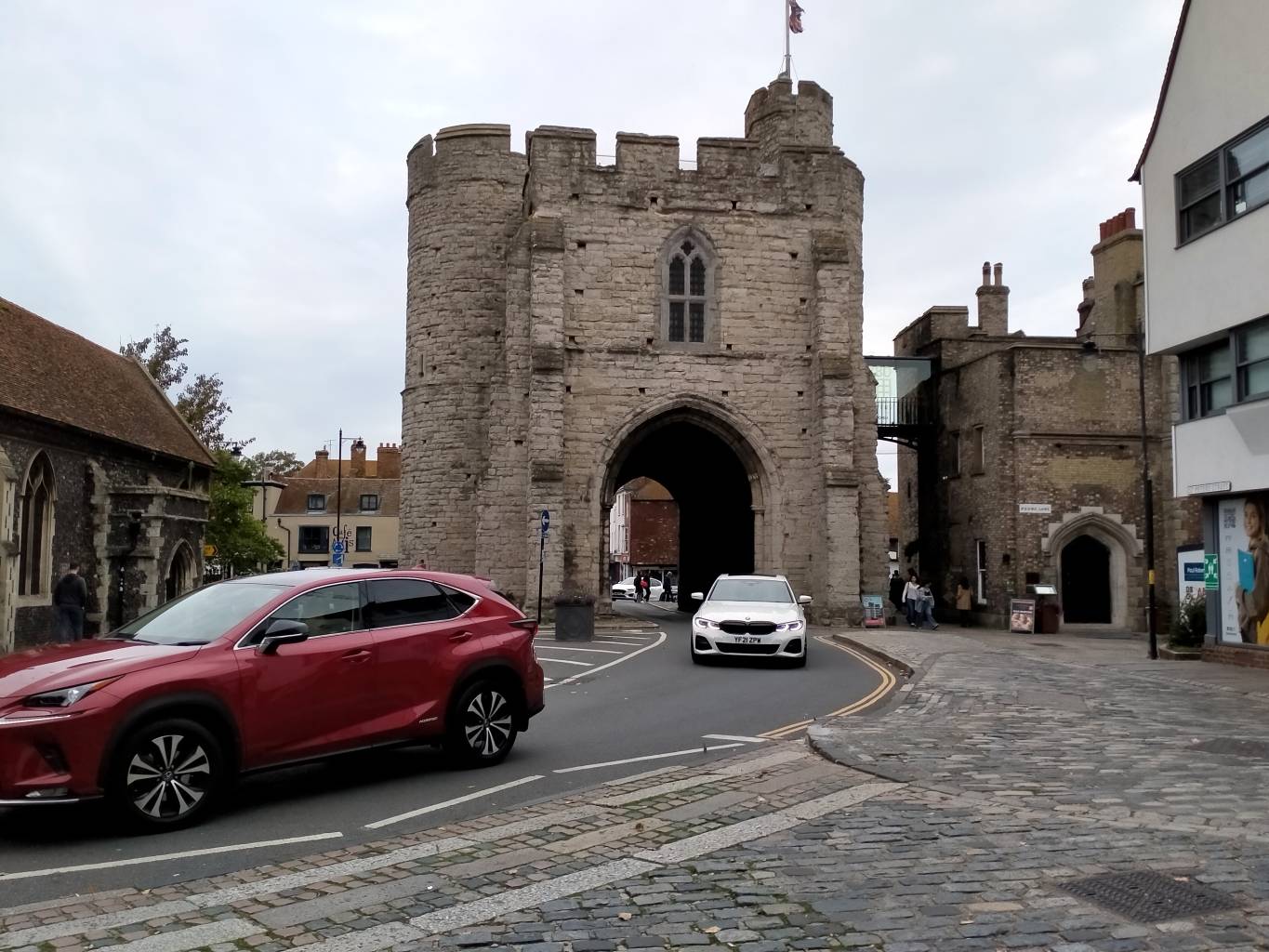
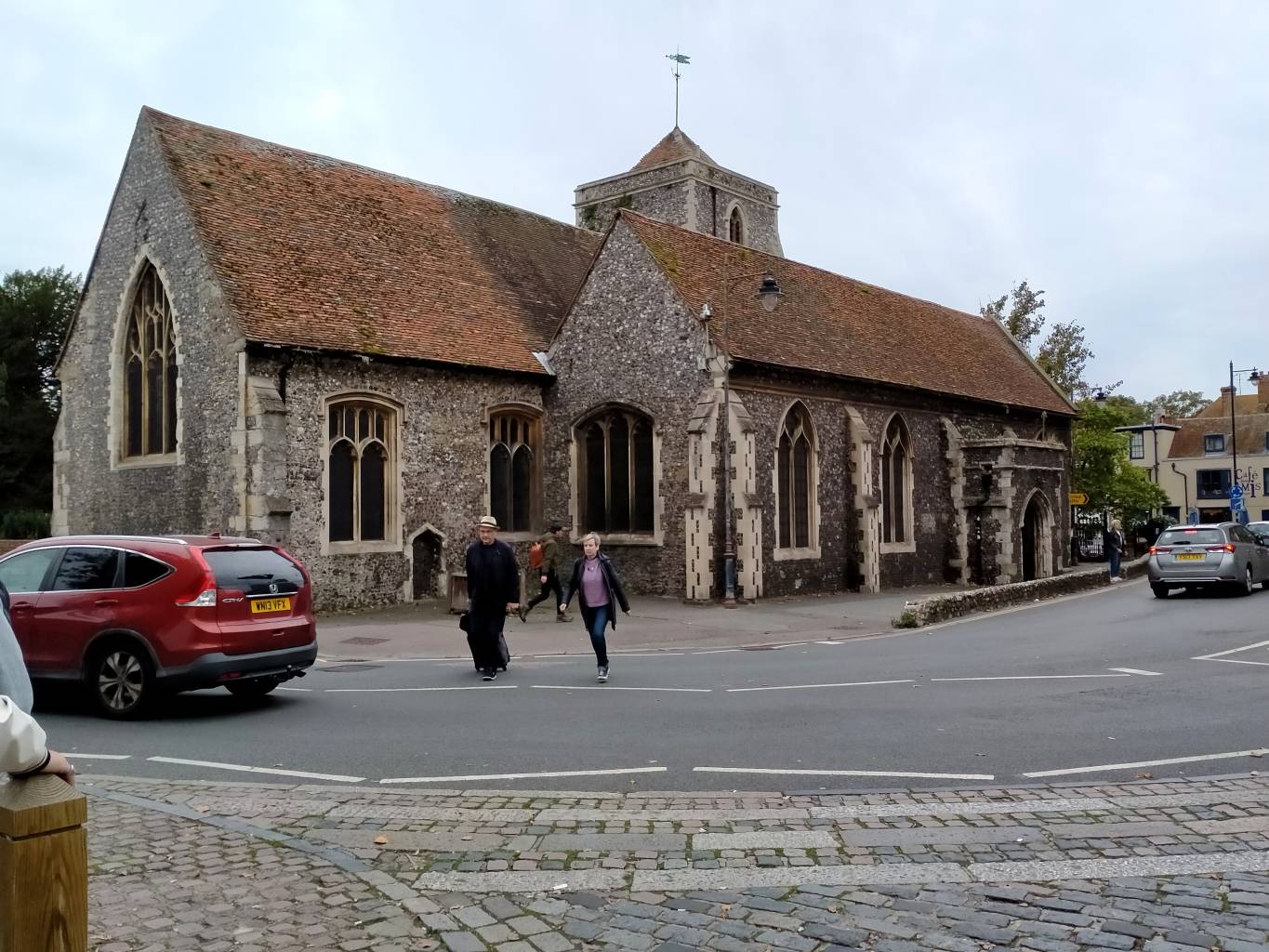
Beyond the cathedral, we had time to discover Canterbury’s historic streets and timber-framed buildings.
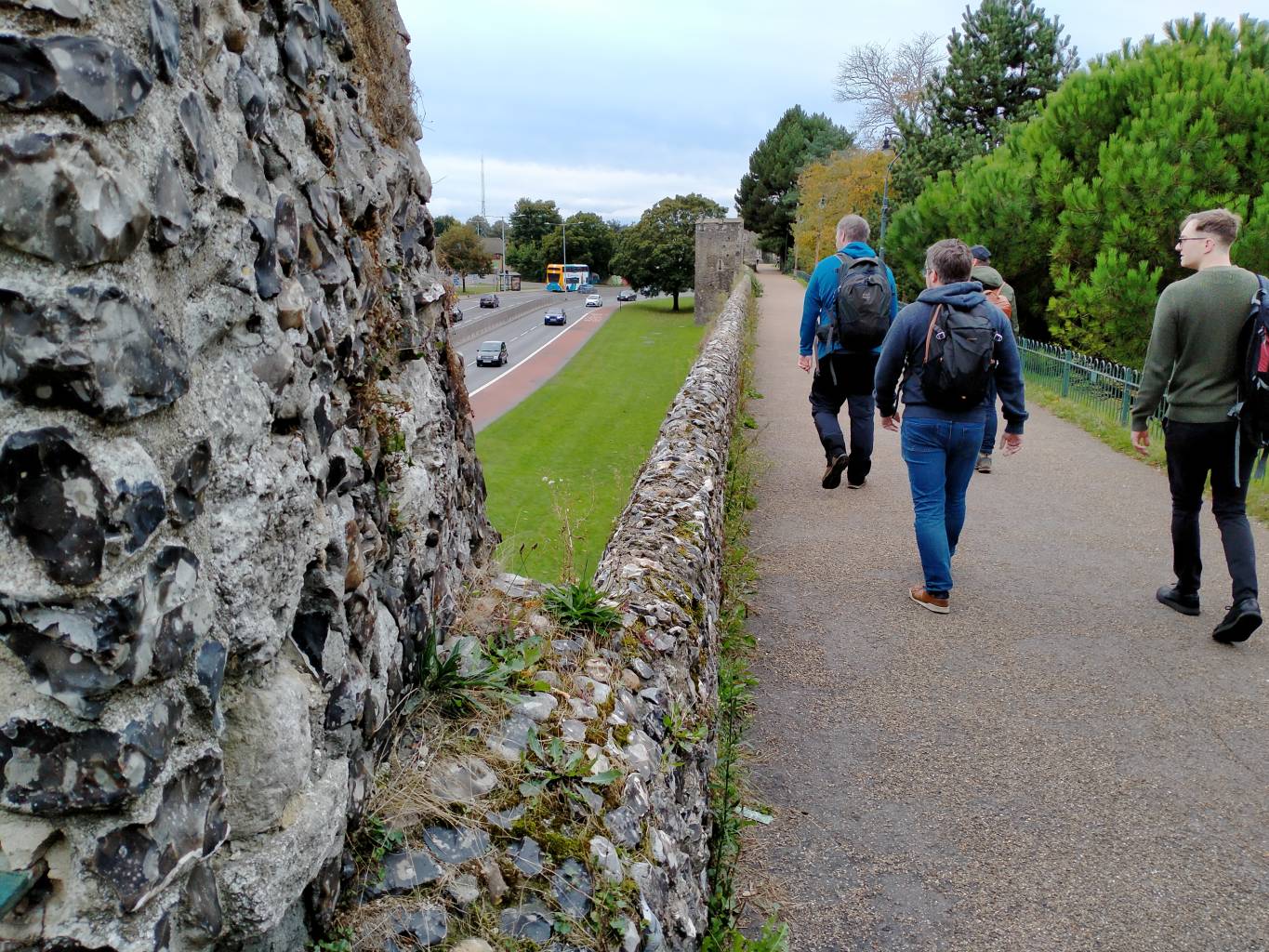
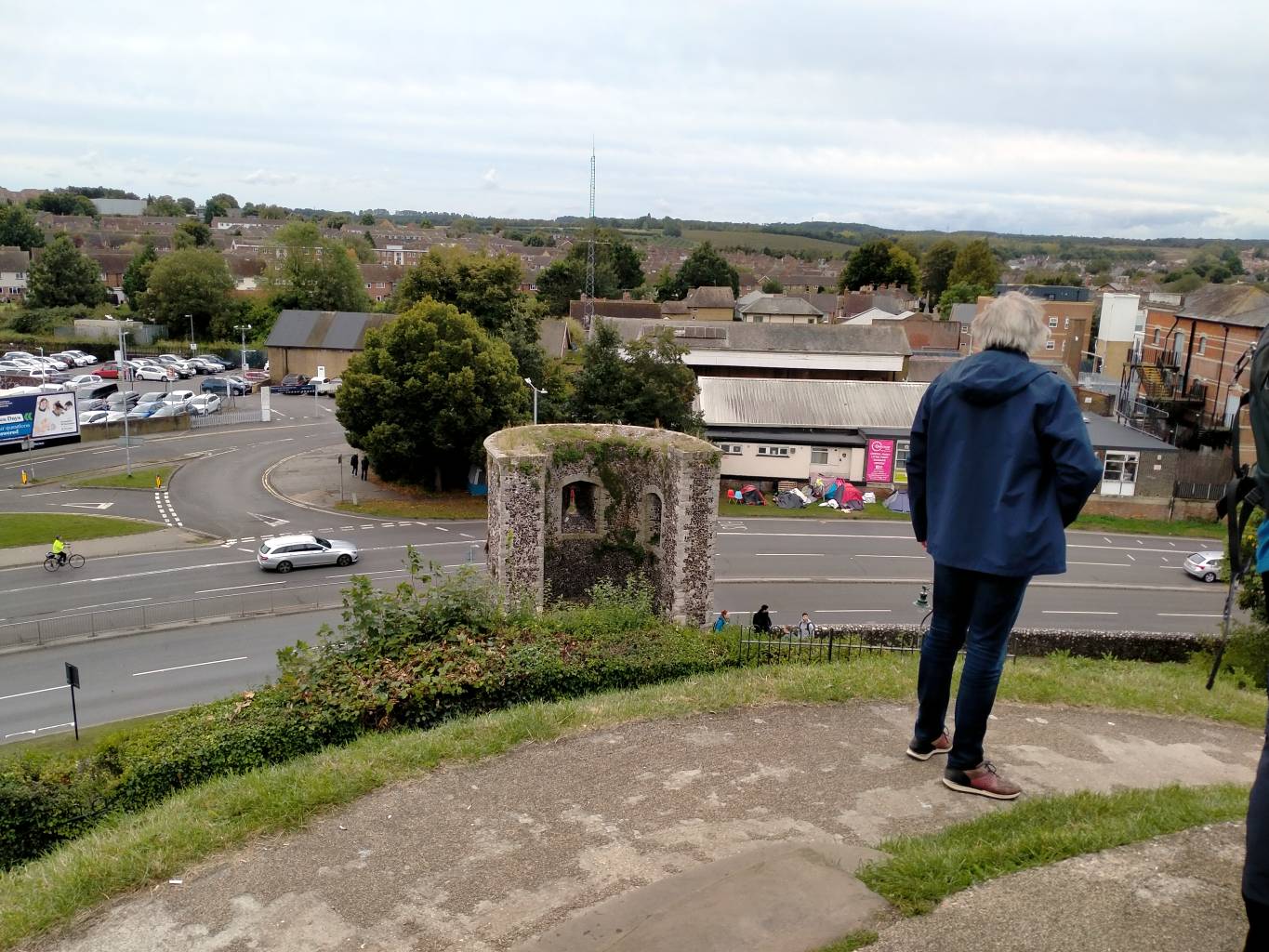
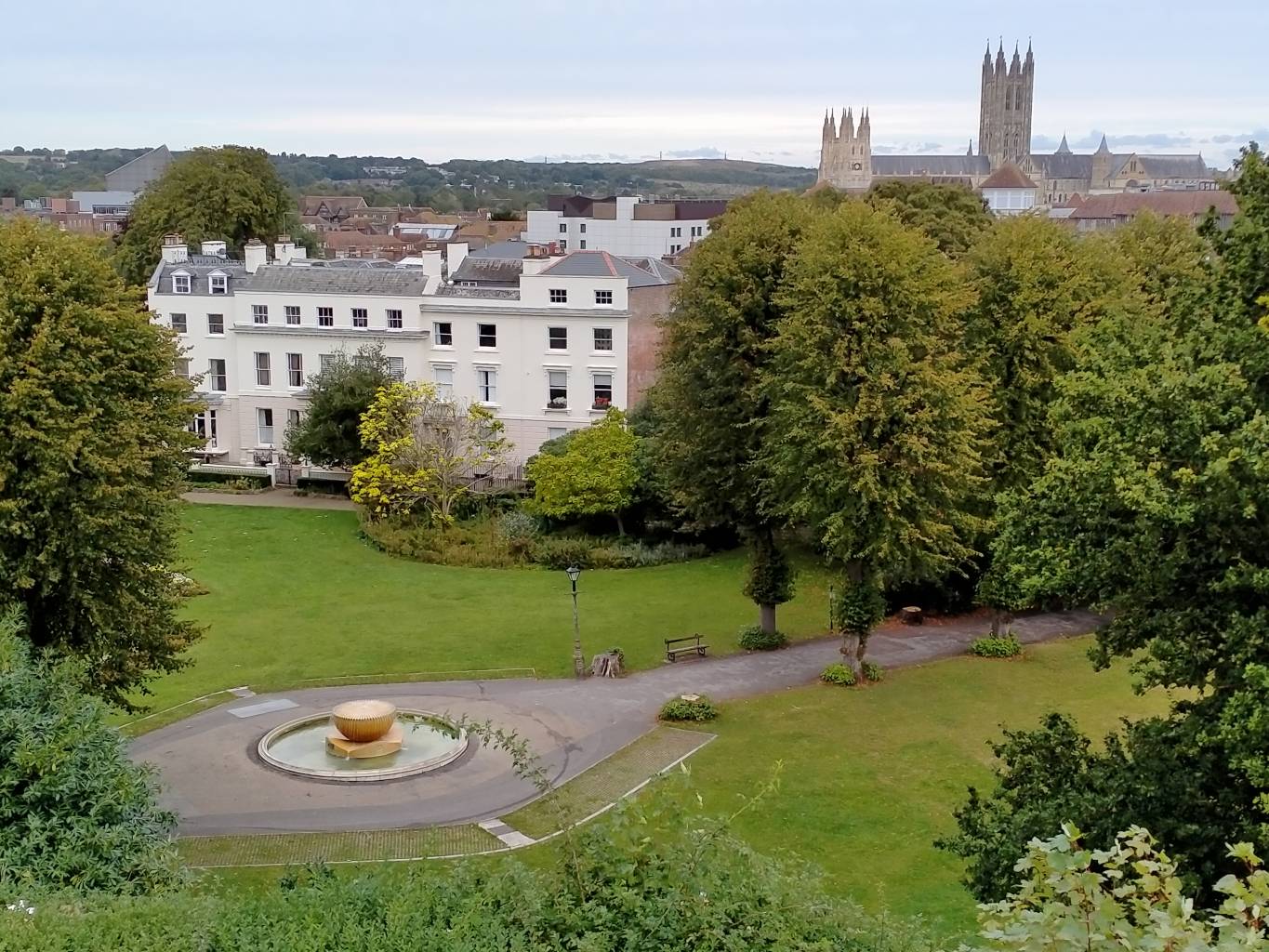
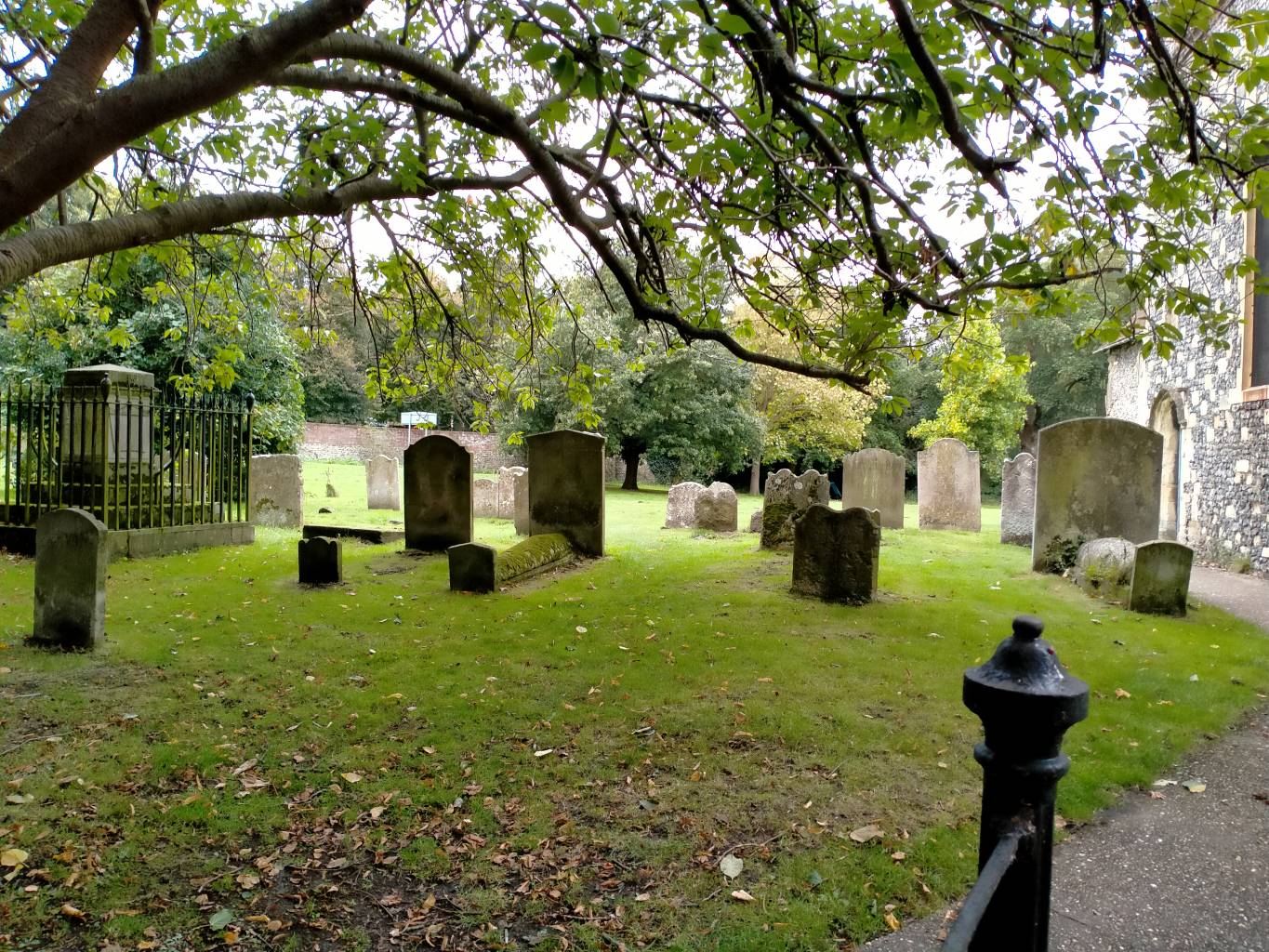
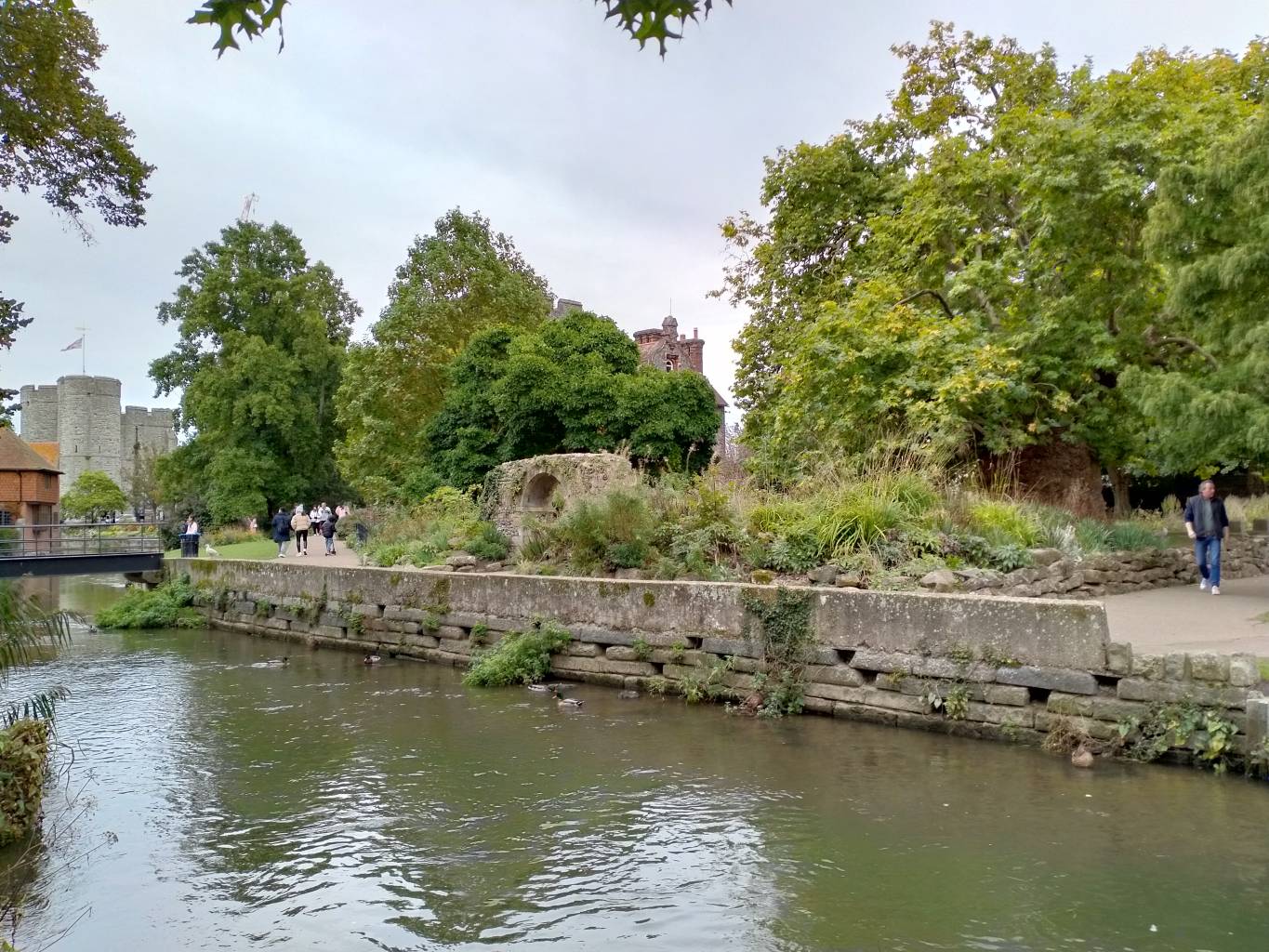
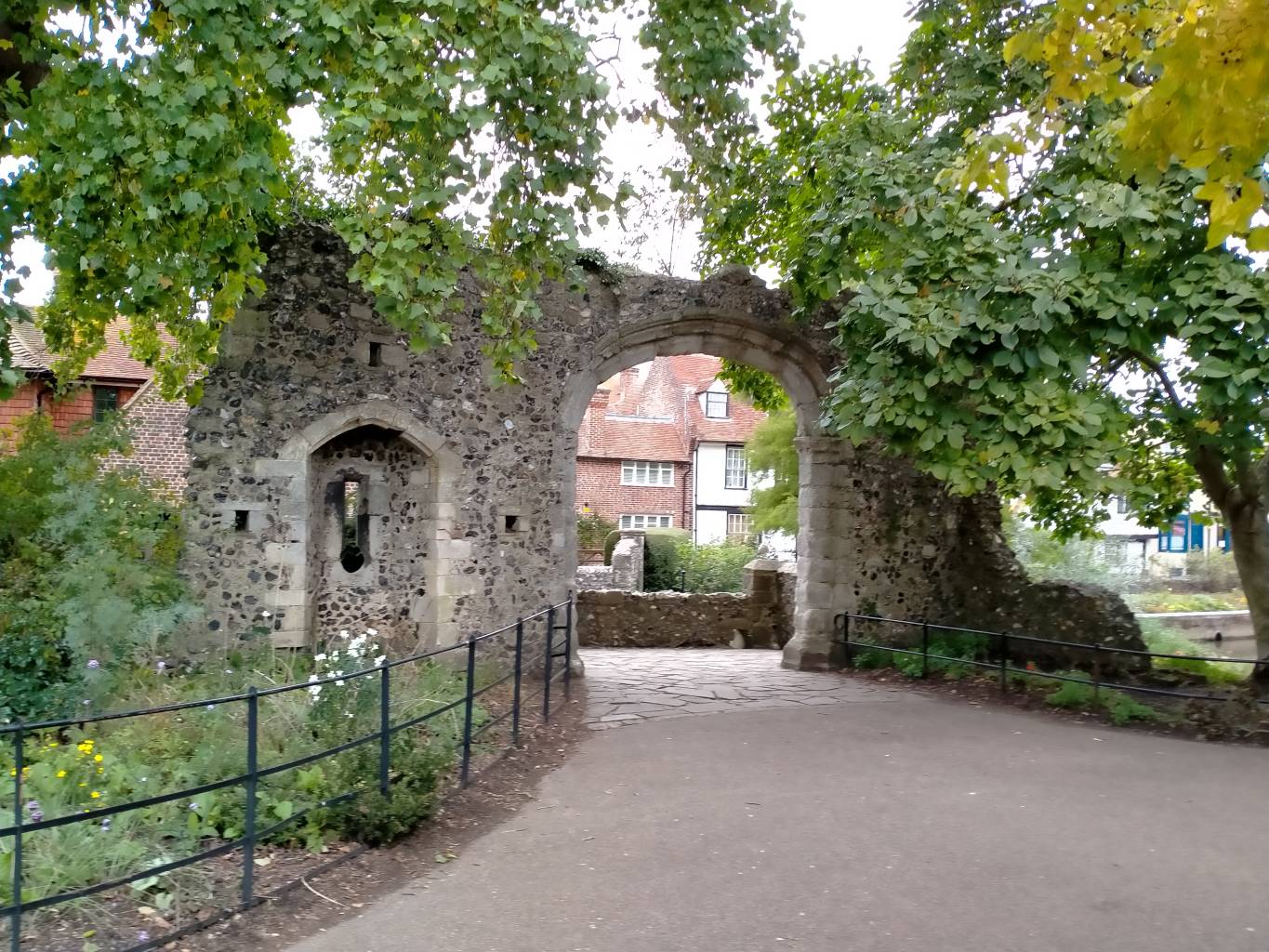
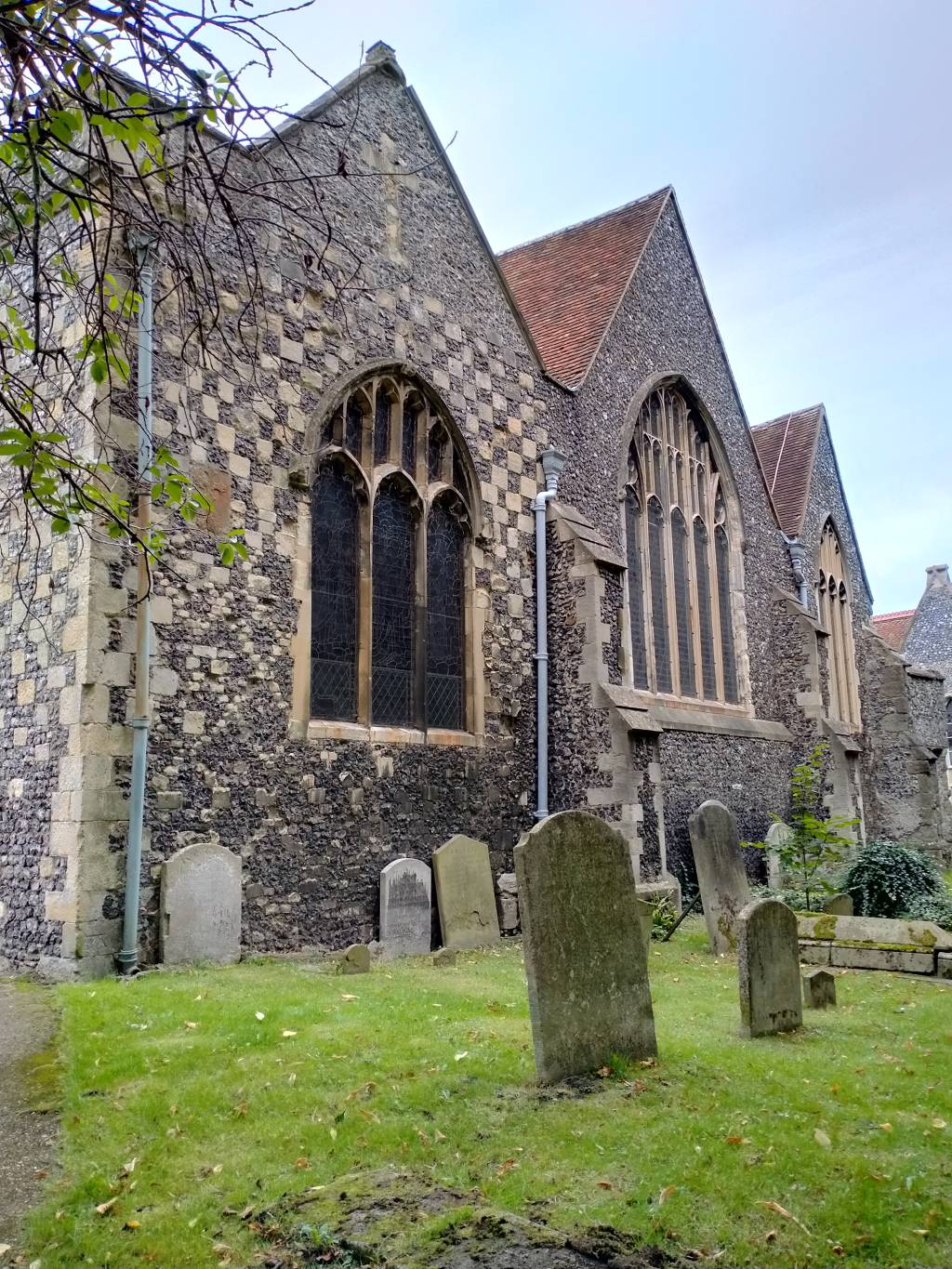
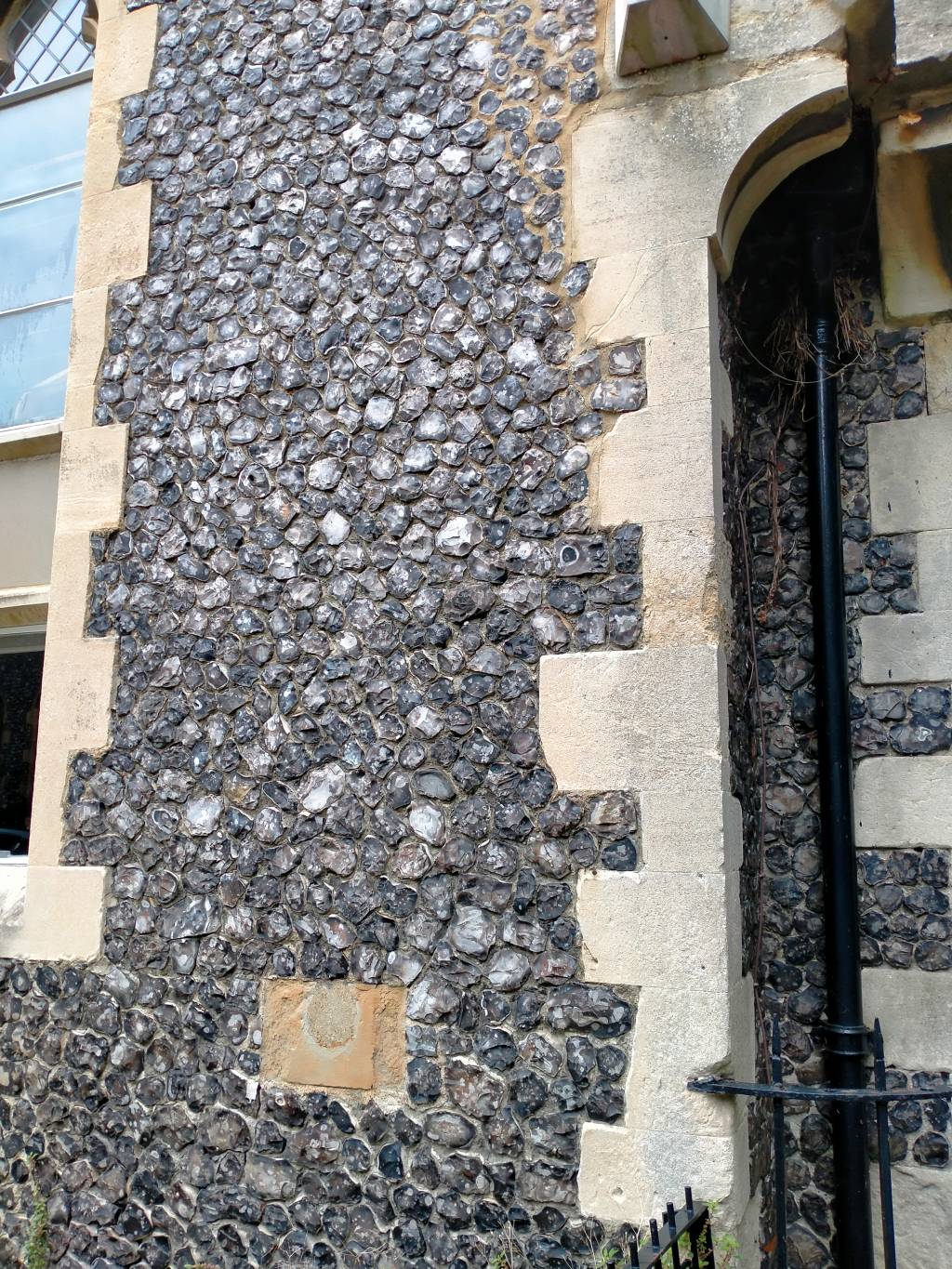
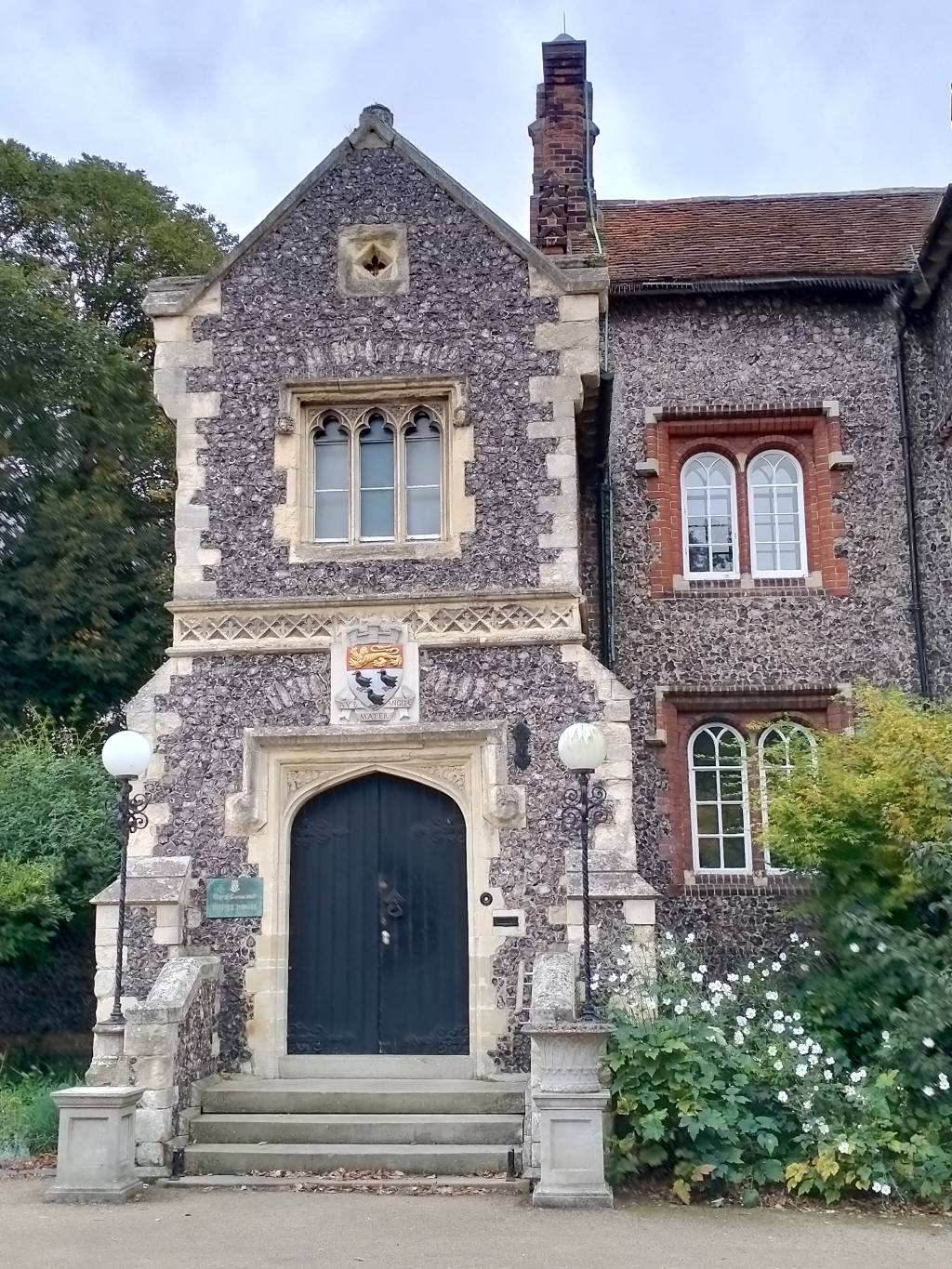
The city offered a pleasant contrast with the quieter countryside we had visited over the previous two days. Its medieval character remained visible in the street layout and surviving architecture, while cafés, restaurants and shops gave the centre a lively contemporary atmosphere.
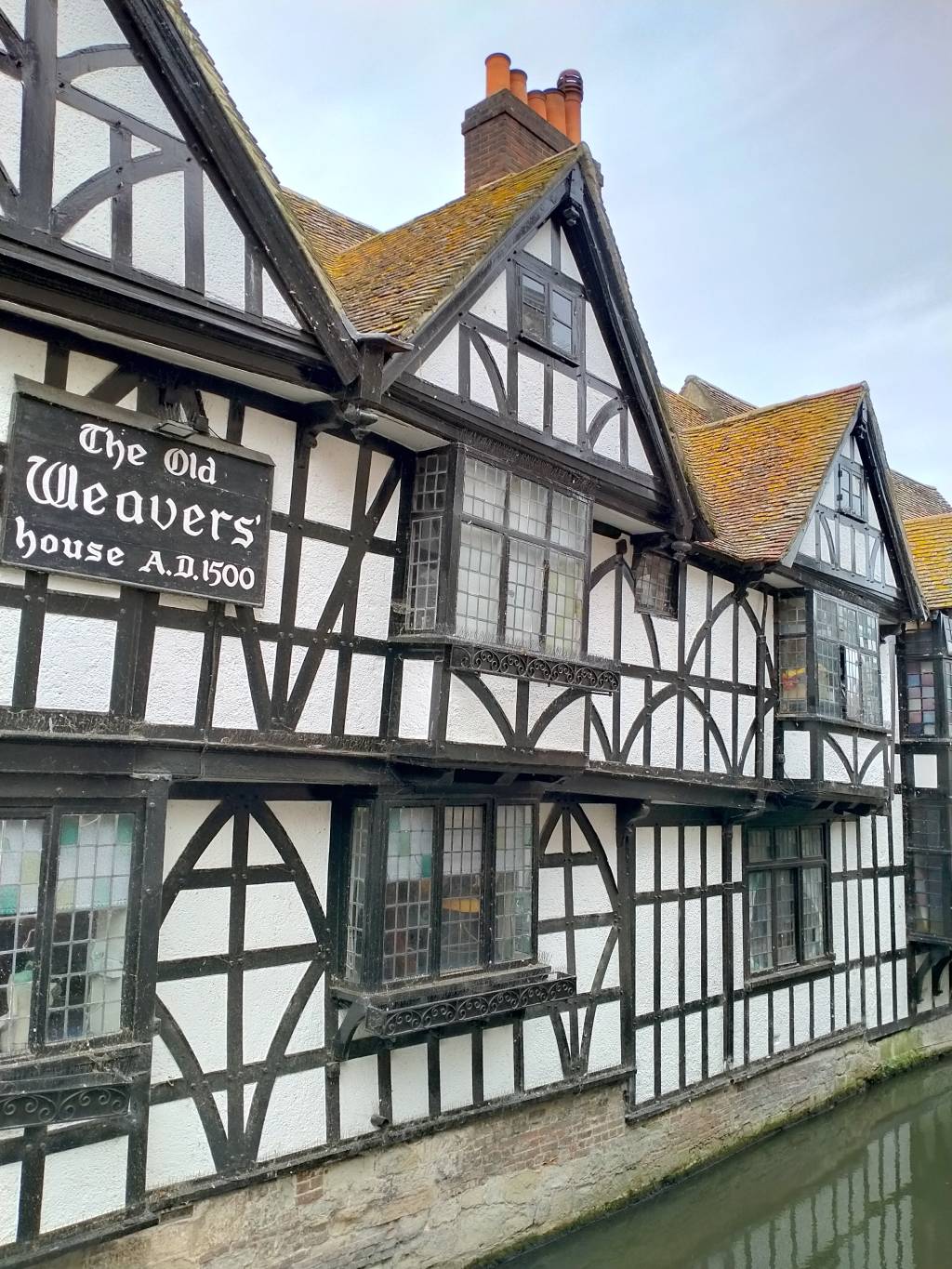
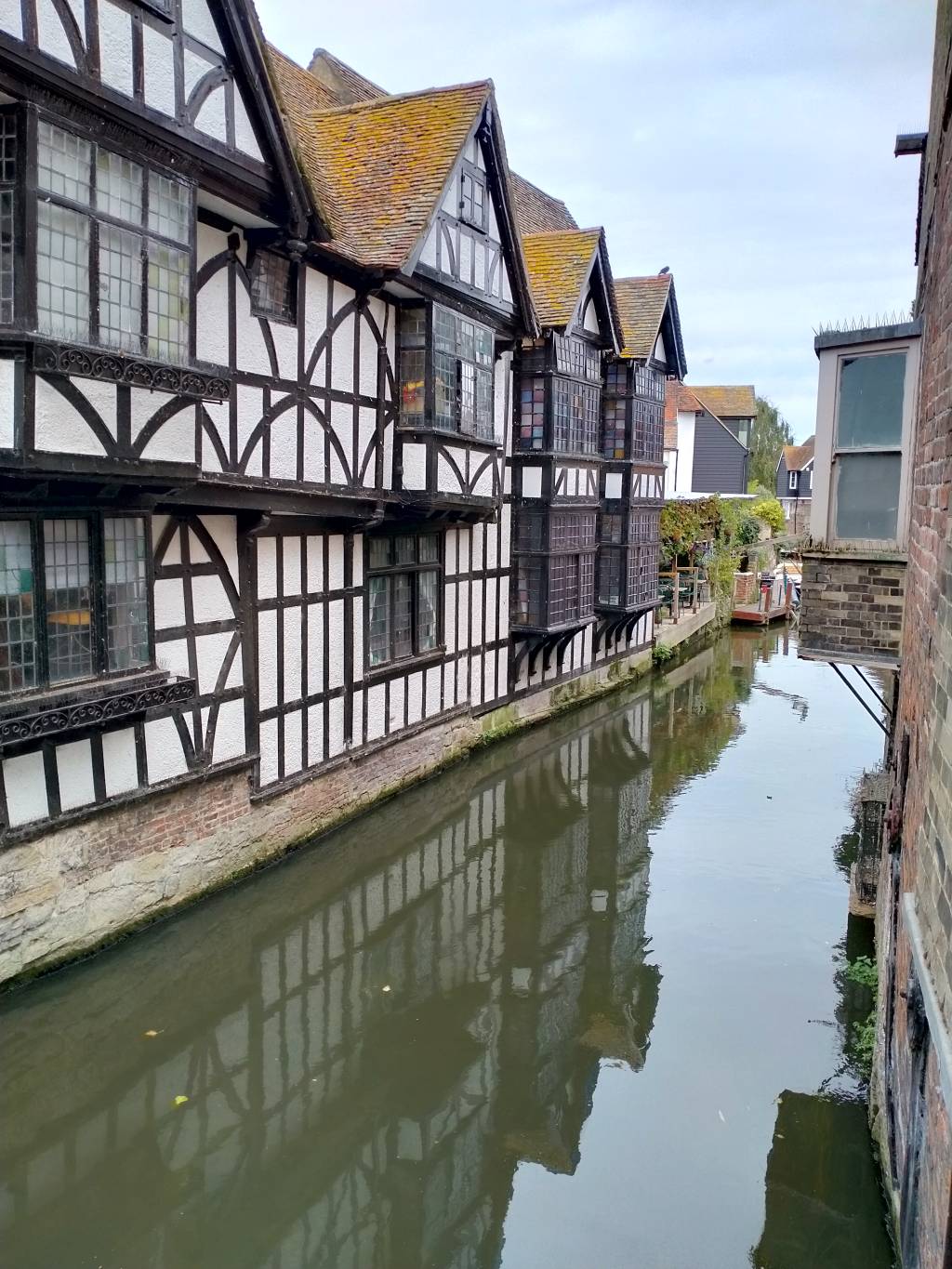
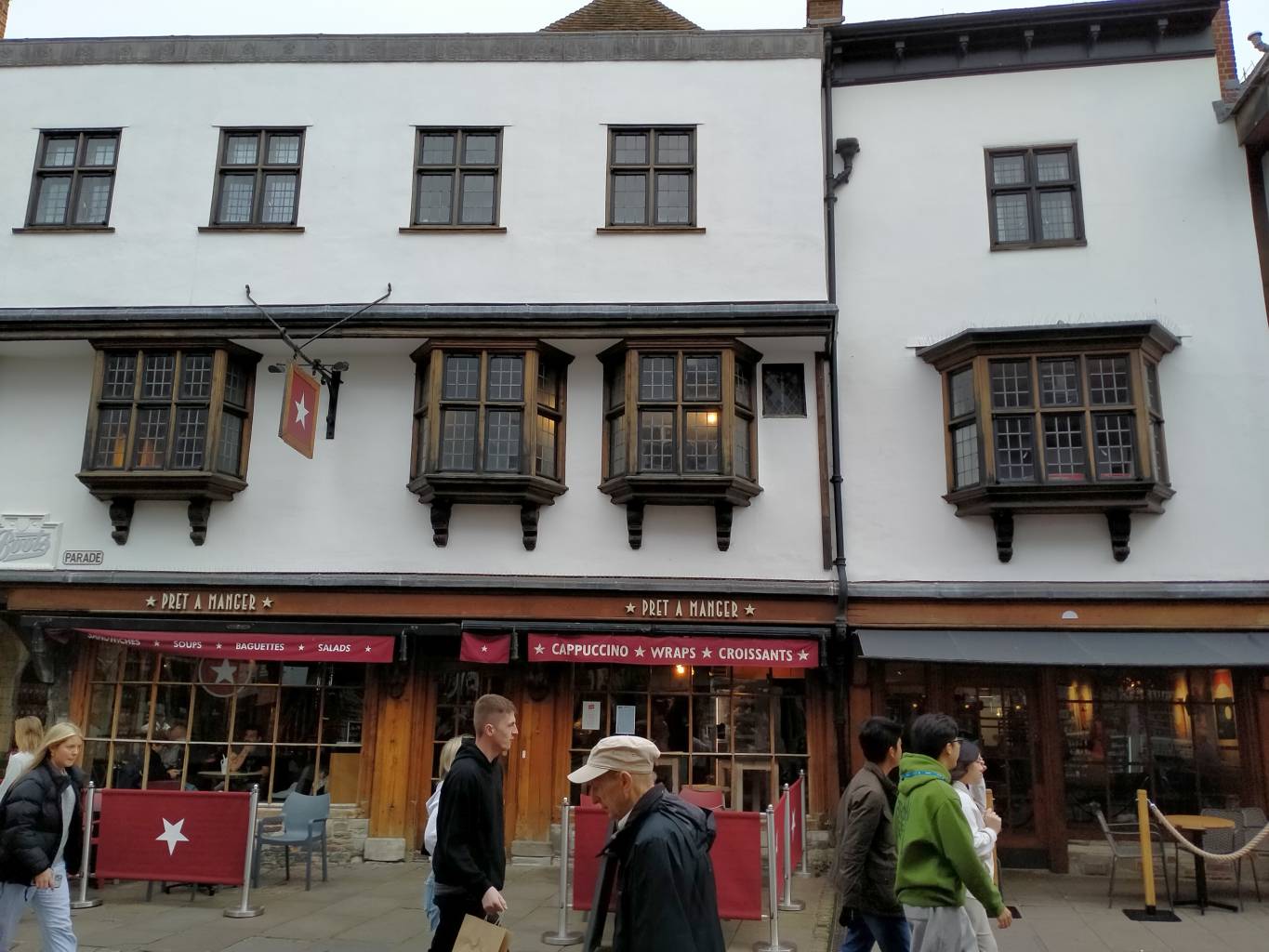
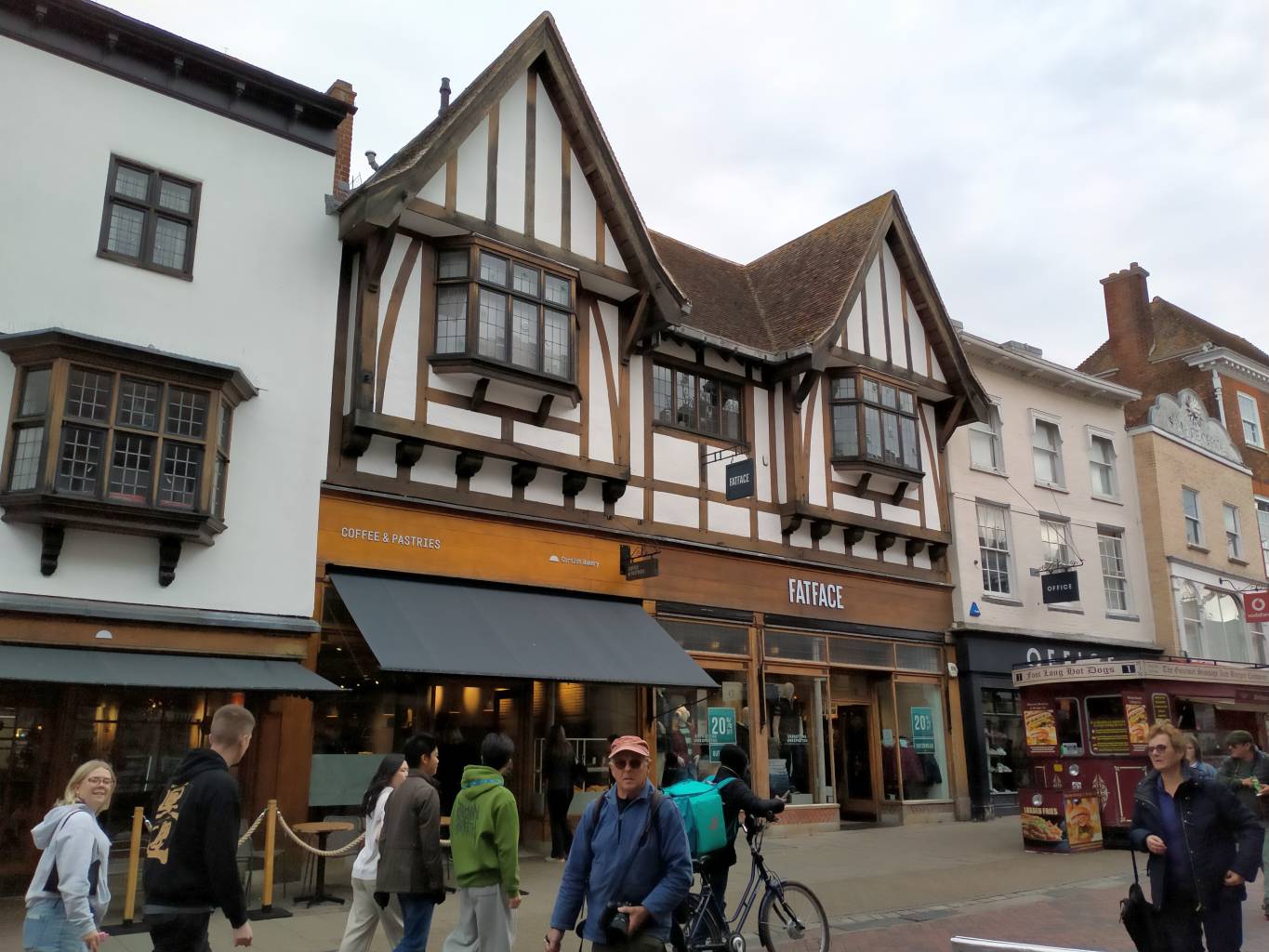
I took particular interest in the Beaney House of Art & Knowledge, a free museum, art gallery, library, and visitor information center in the heart of Canterbury.
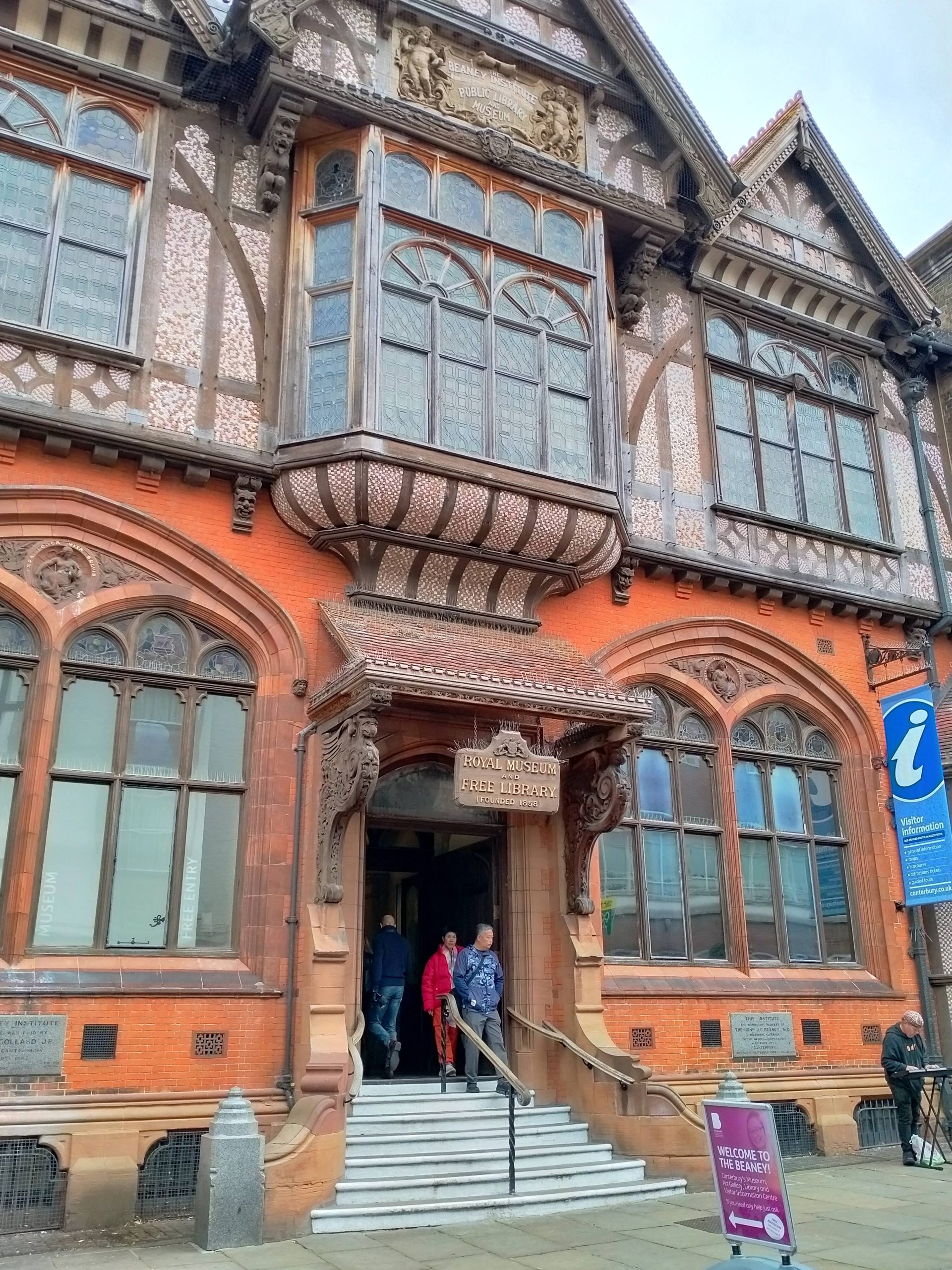
Canterbury offered plenty of ways to spend those last hours in England.
Farewell to England
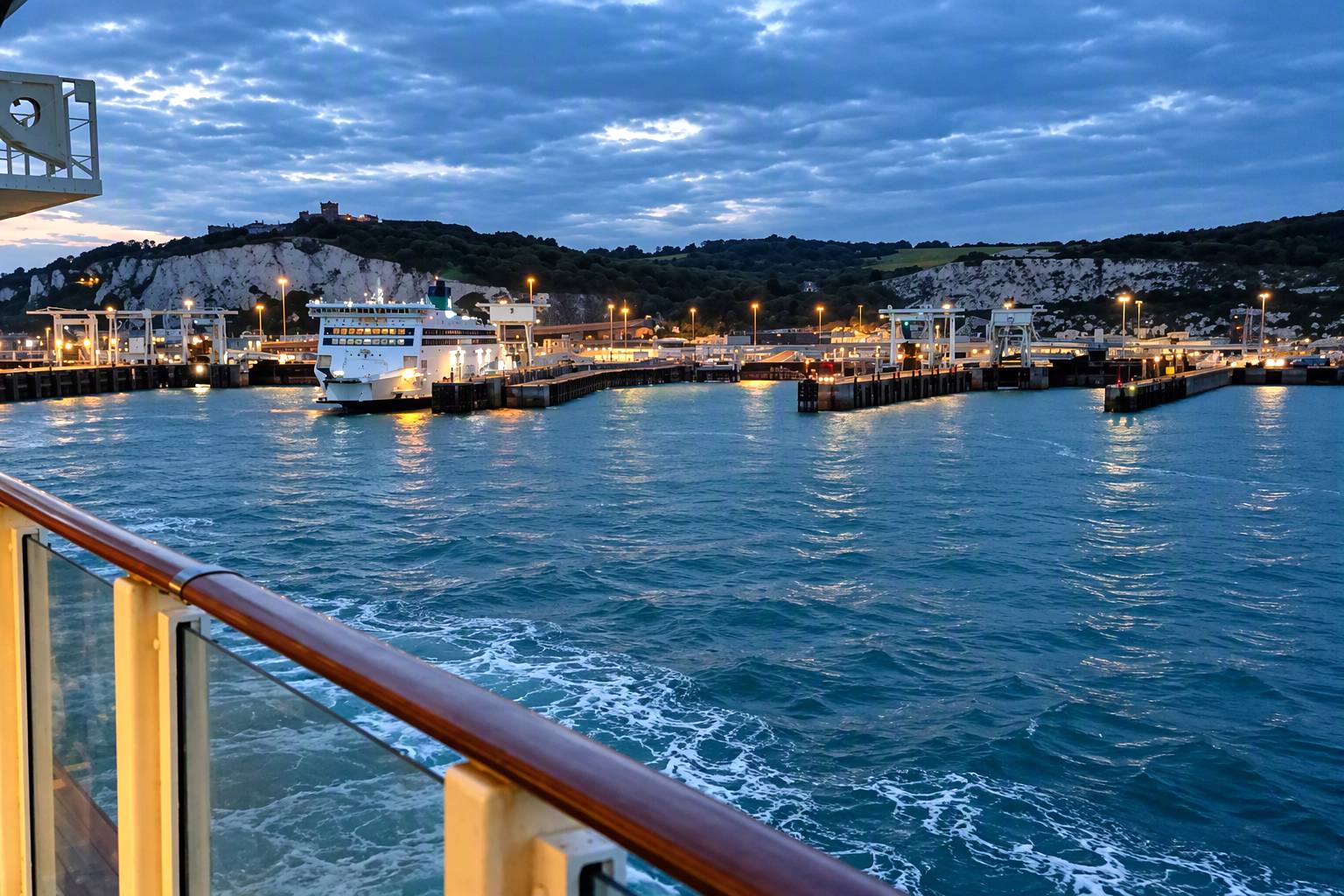
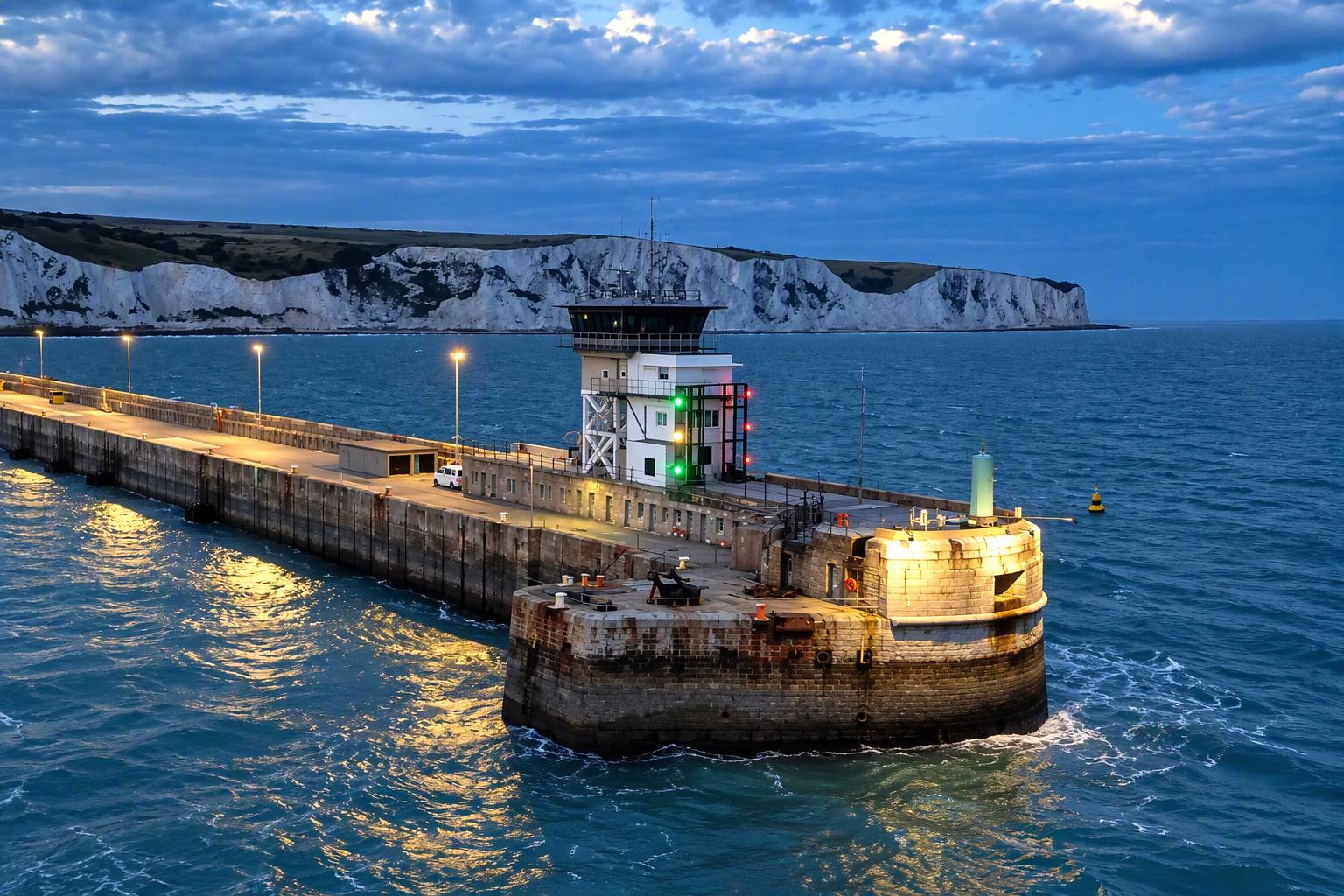
At 3:30 pm, we gathered at the coach for the journey back to Dover. Our ferry departed at approximately 5:35 pm local time, and we arrived in Calais at around 8:05 pm. During the crossing, we enjoyed the sandwiches and wraps provided for the journey.
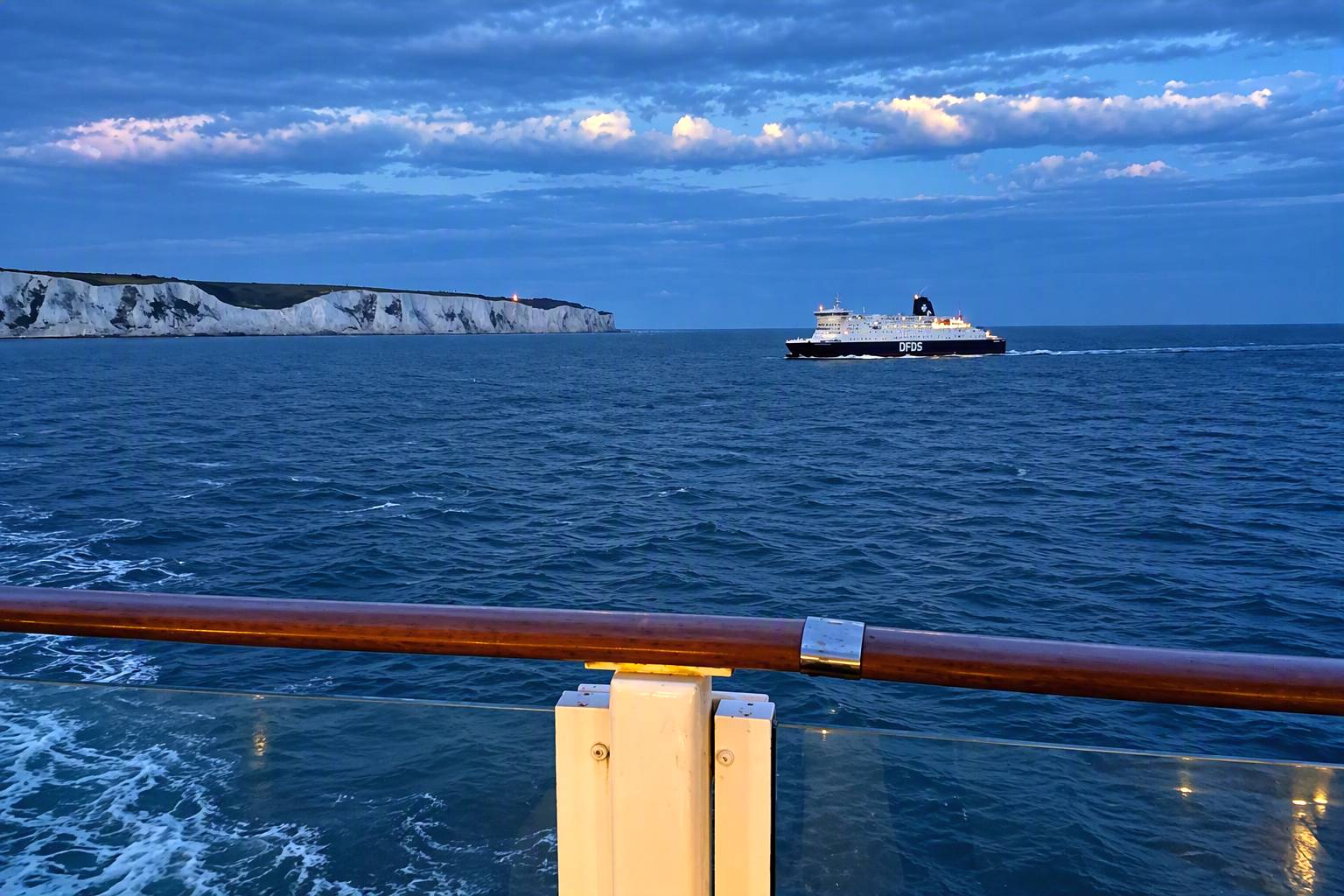
We returned home with photographs, shared memories and a broader appreciation of Kent’s remarkable variety.