History
Scotney Castle is one of the most rewarding National Trust properties in southern England. Scotney is unusual because it is really two castles on one estate.
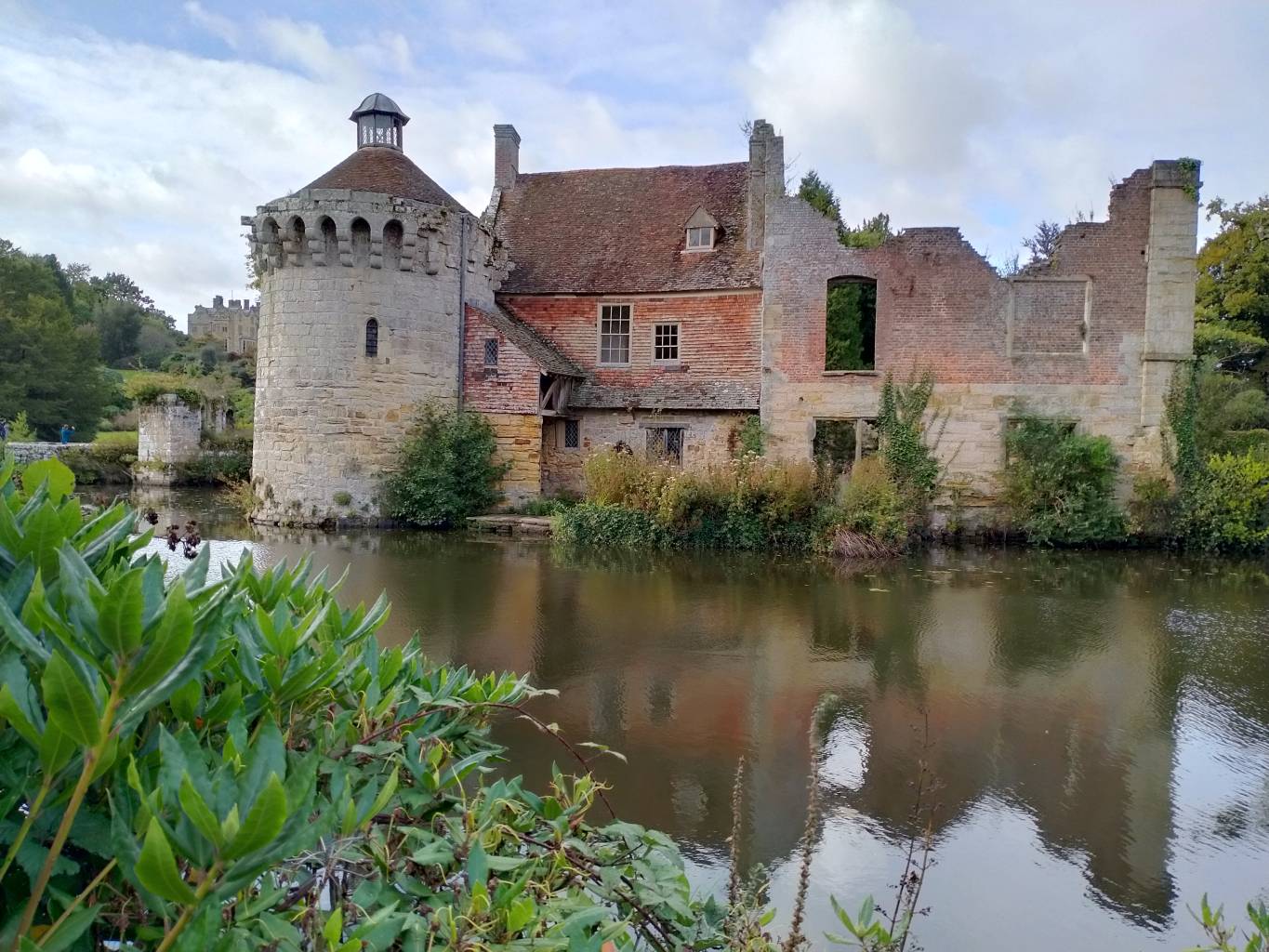
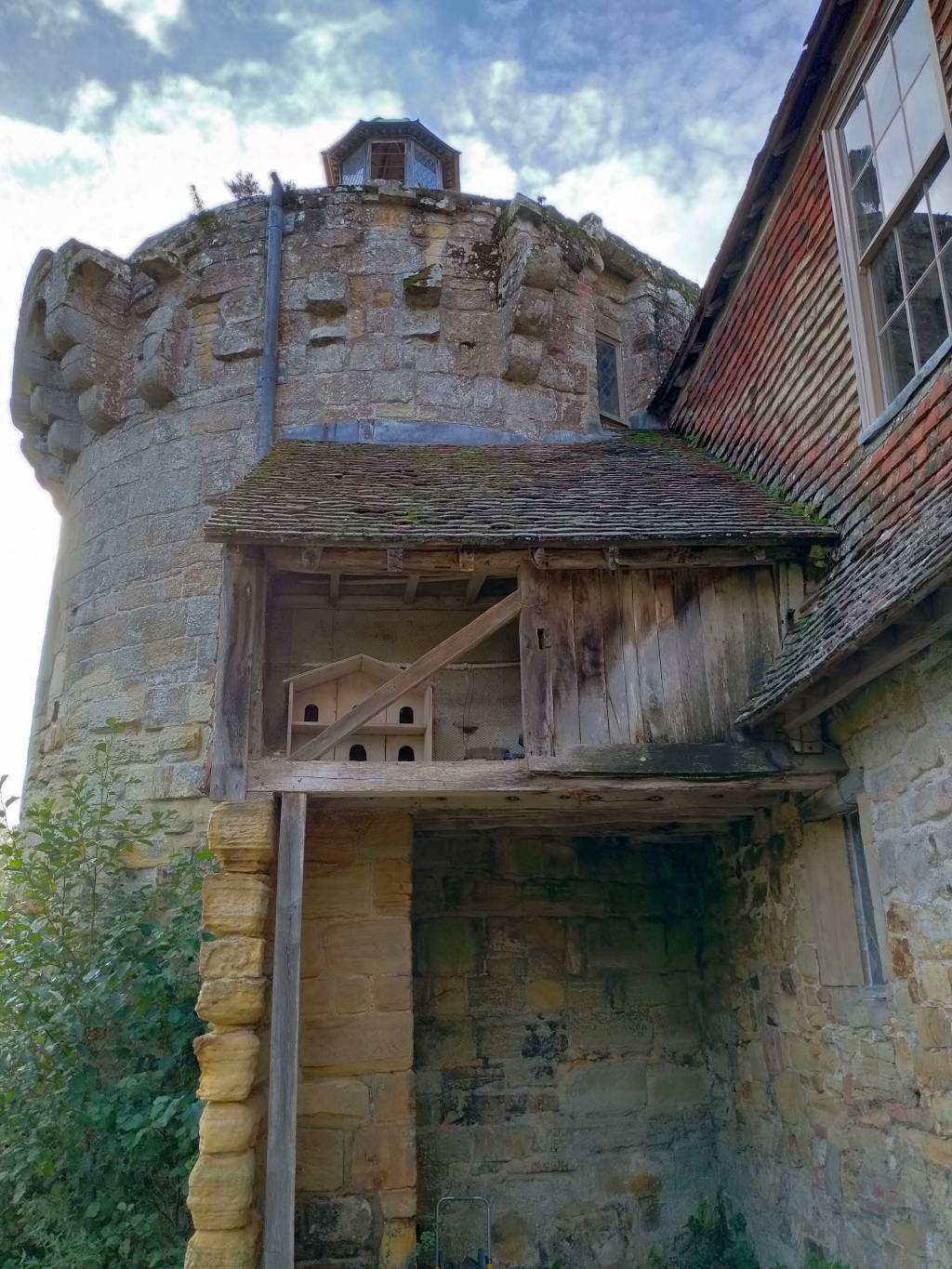
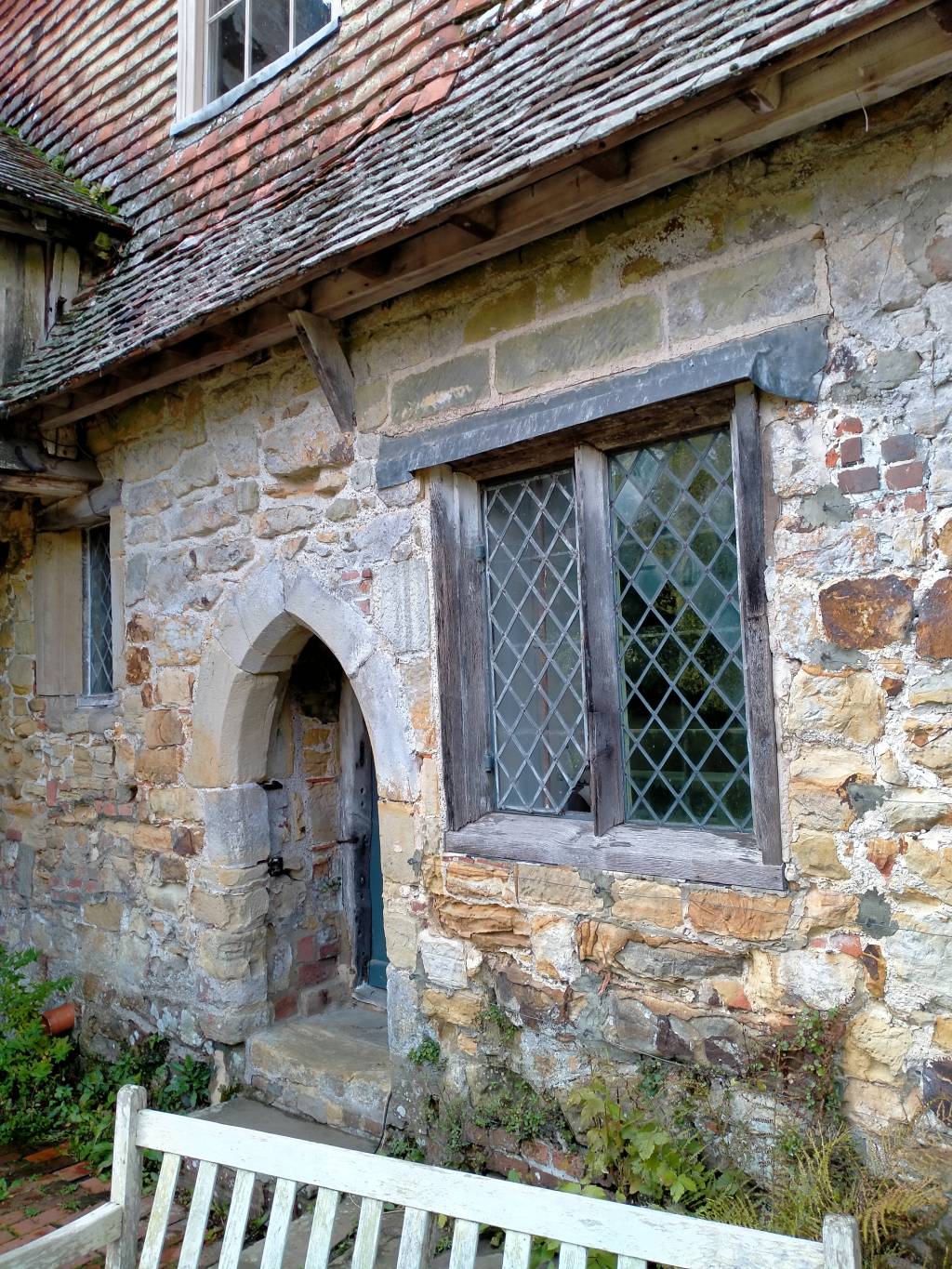
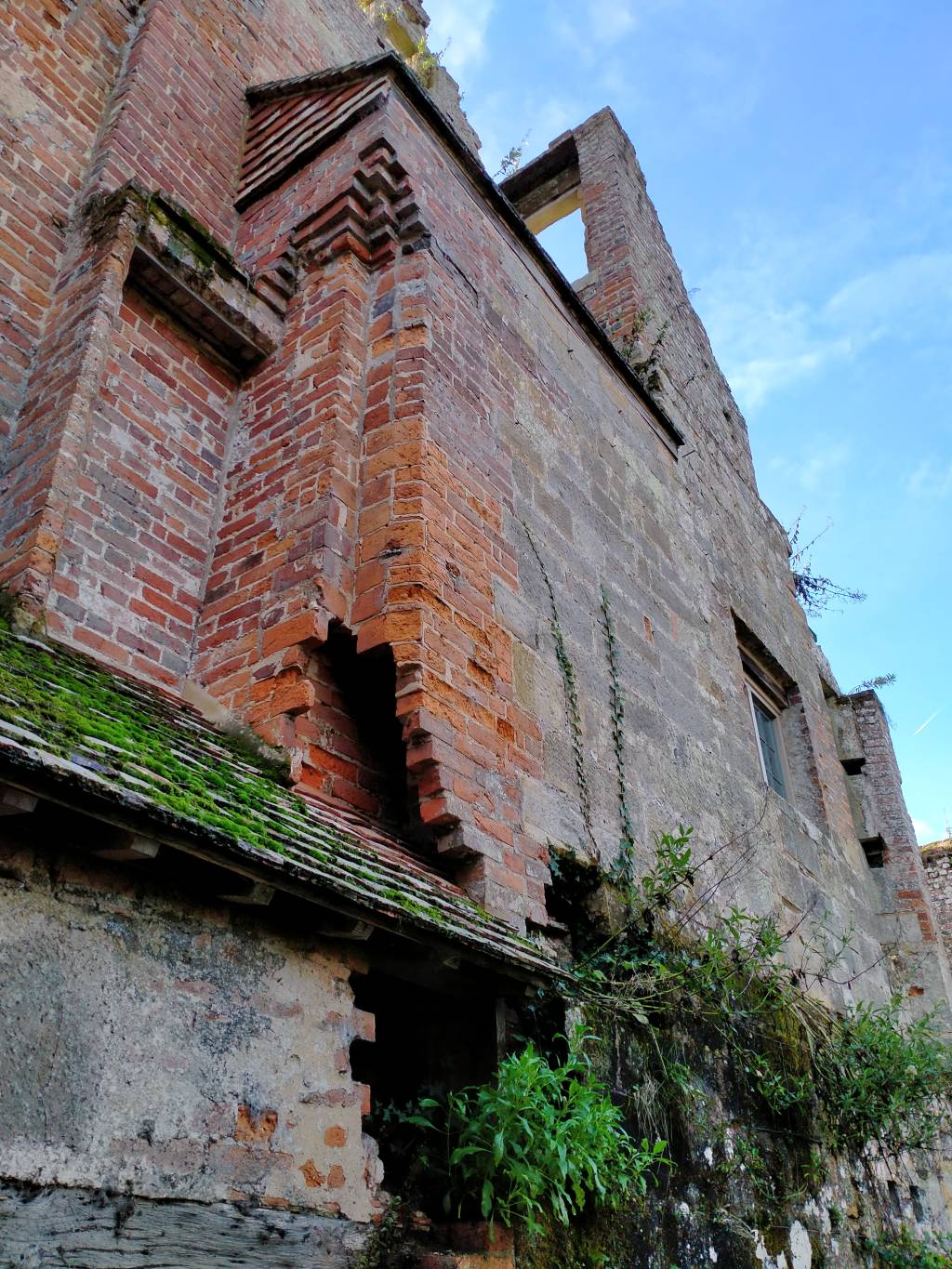
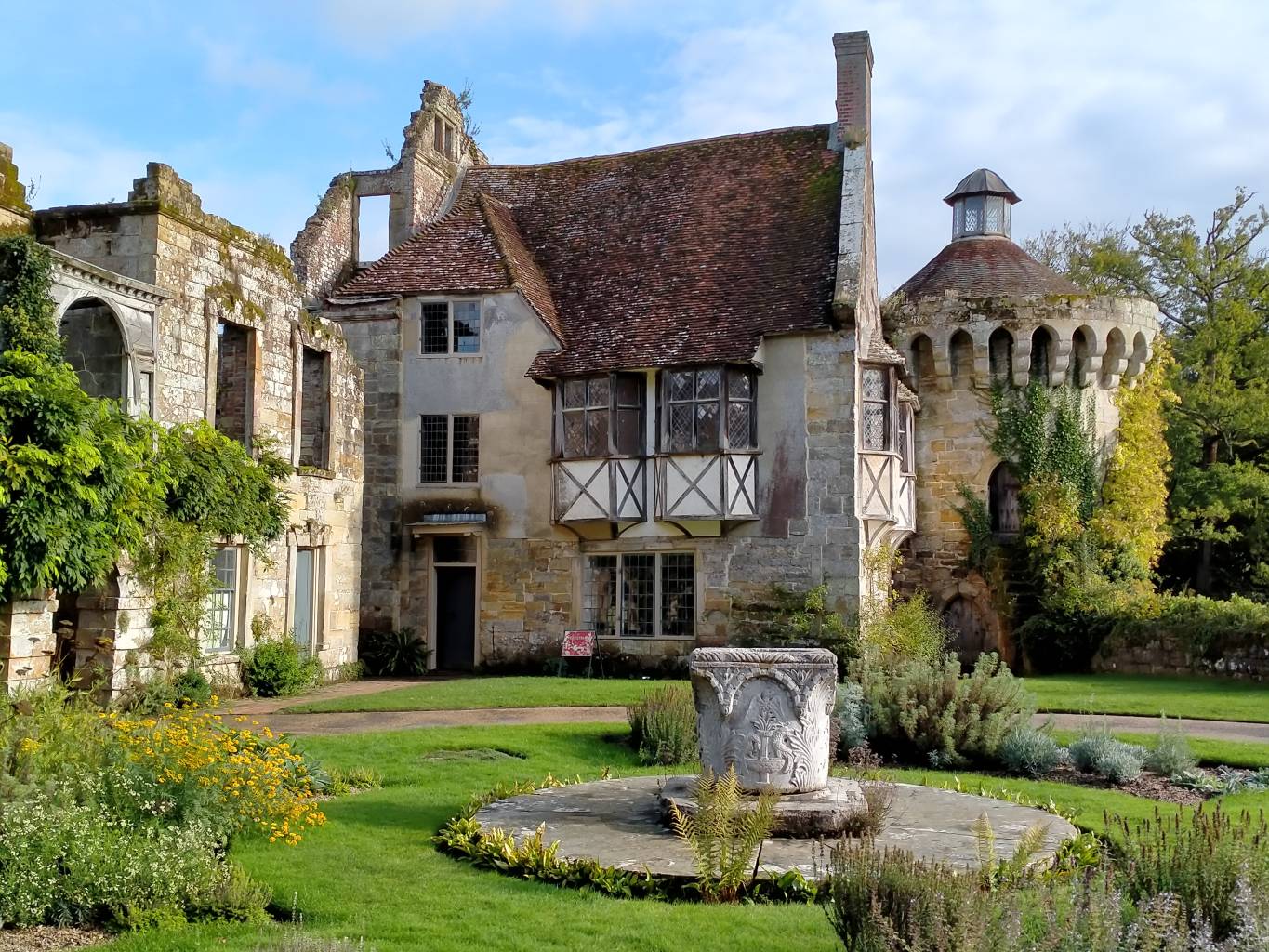
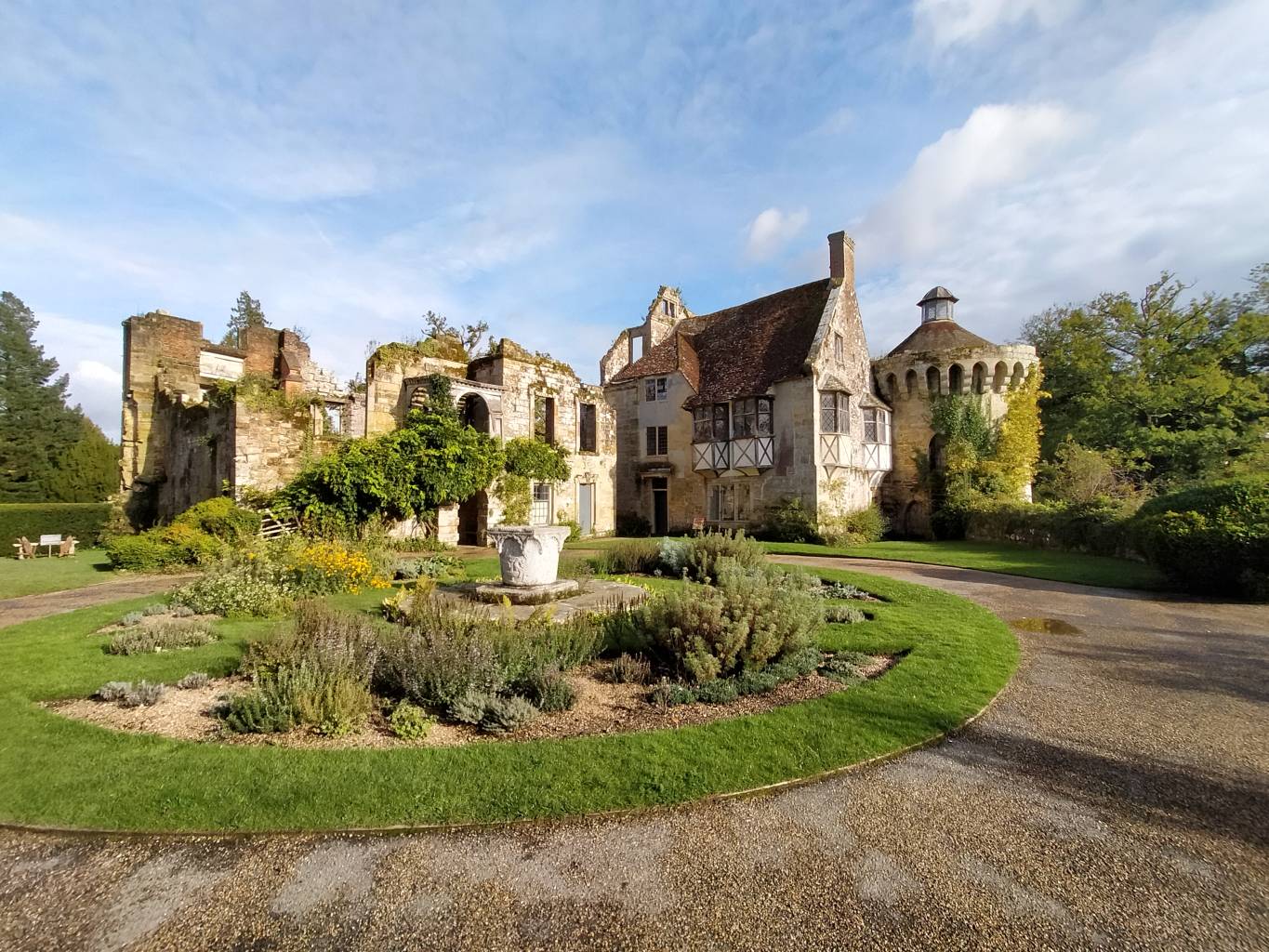
The estate is first recorded in 1137, but the medieval moated castle was built around 1378-1380 by Roger Ashburnham as a fortified manor house during a period when French raids were a concern along England’s south coast. Originally it was a rectangular fortified residence with towers at the corners. Today the surviving Ashburnham Tower is the most recognisable feature.
During the Tudor and Stuart periods the building was altered and enlarged. The Darrell family, who owned the estate for centuries, were notable Catholic recusants, and a Jesuit priest, Richard Blount, was reportedly hidden there in the 1590s.
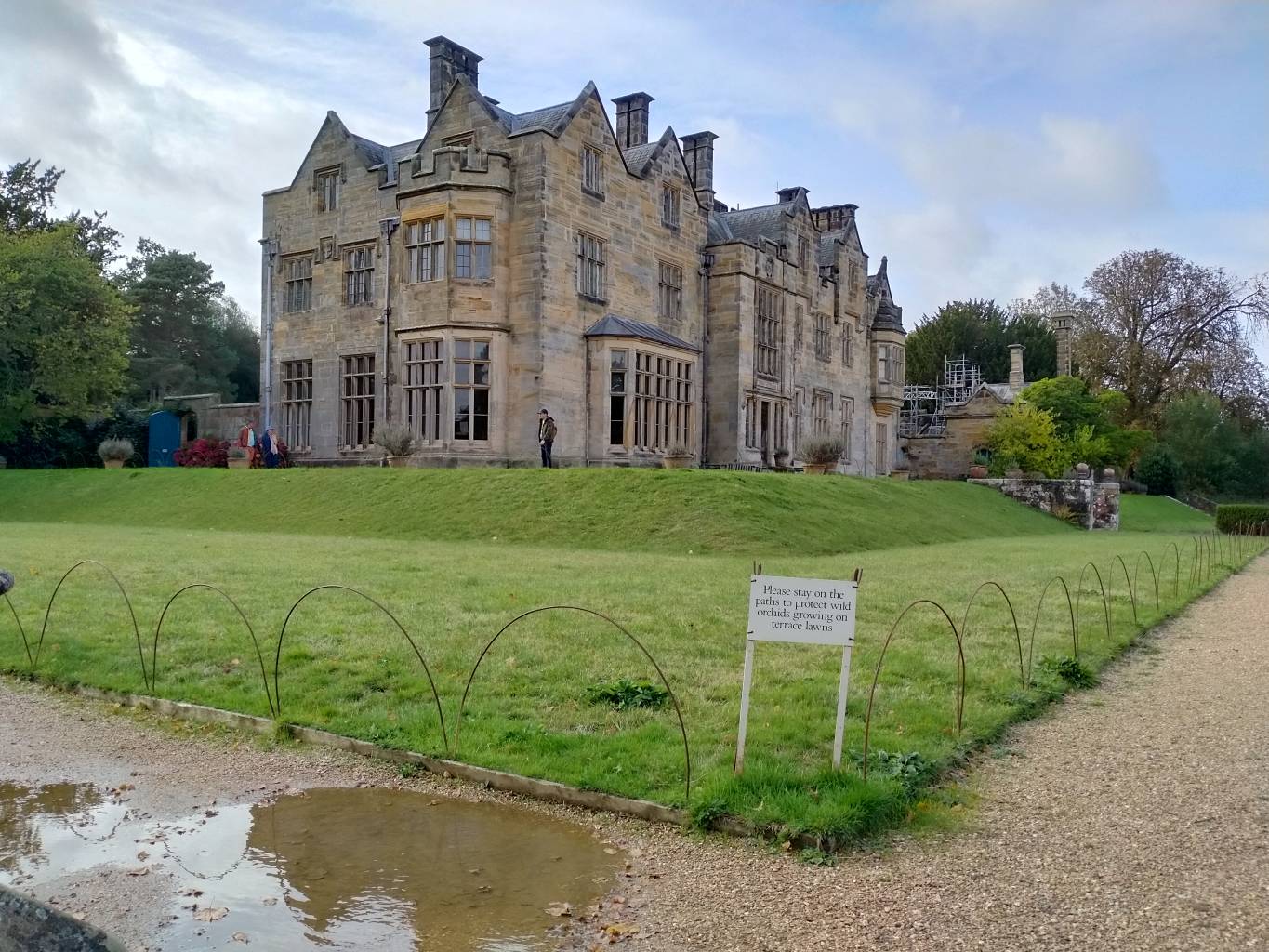
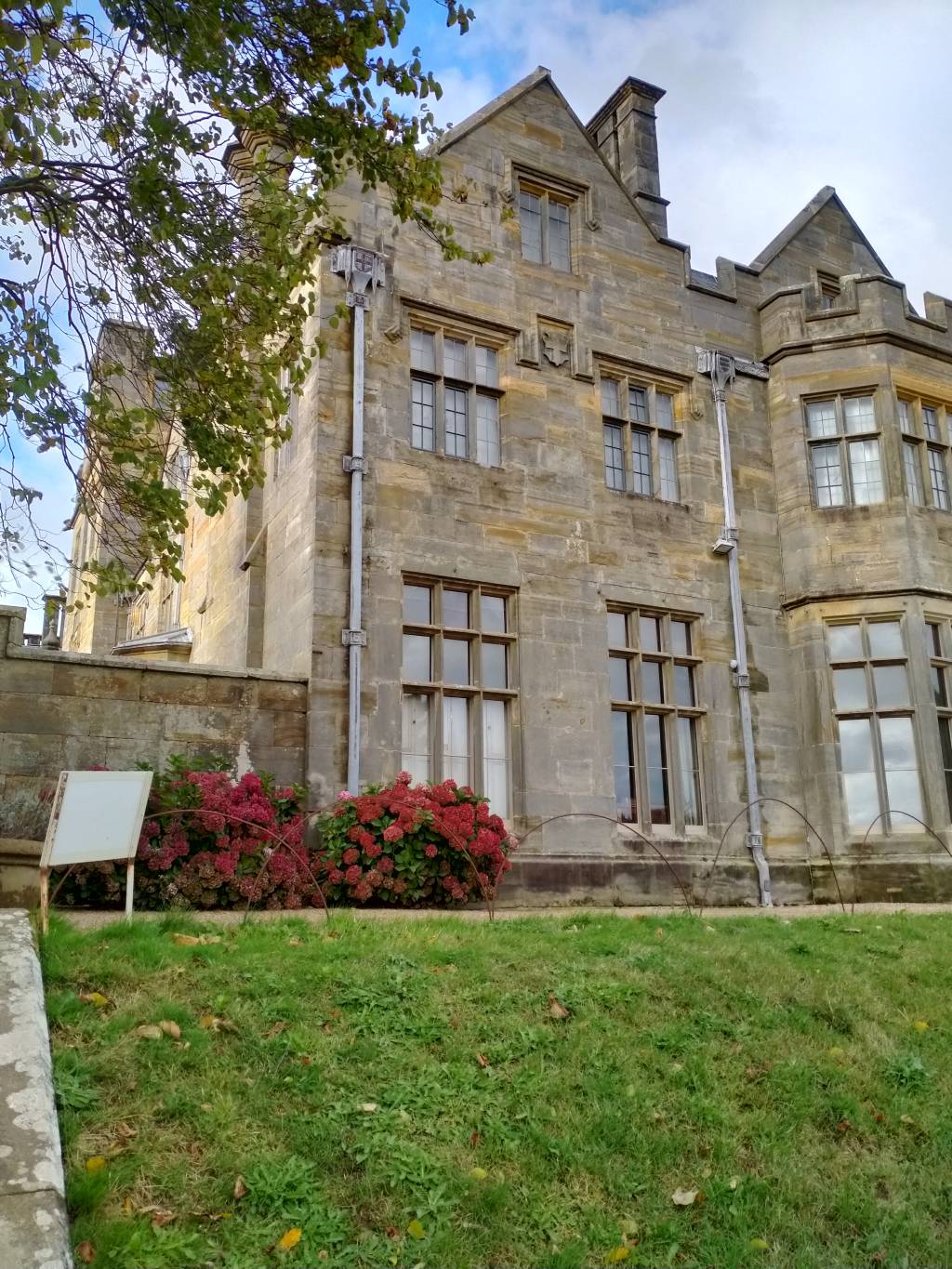
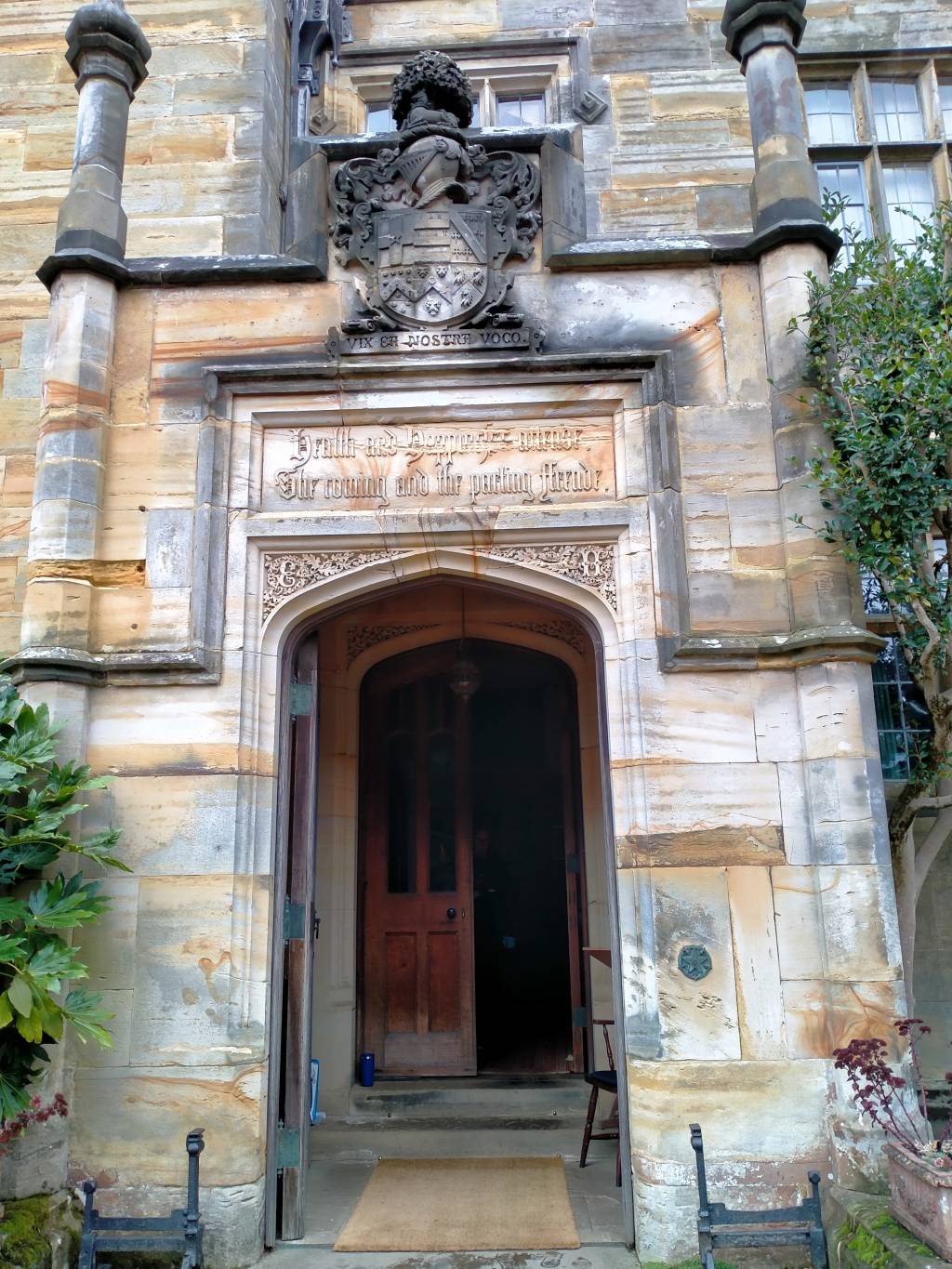
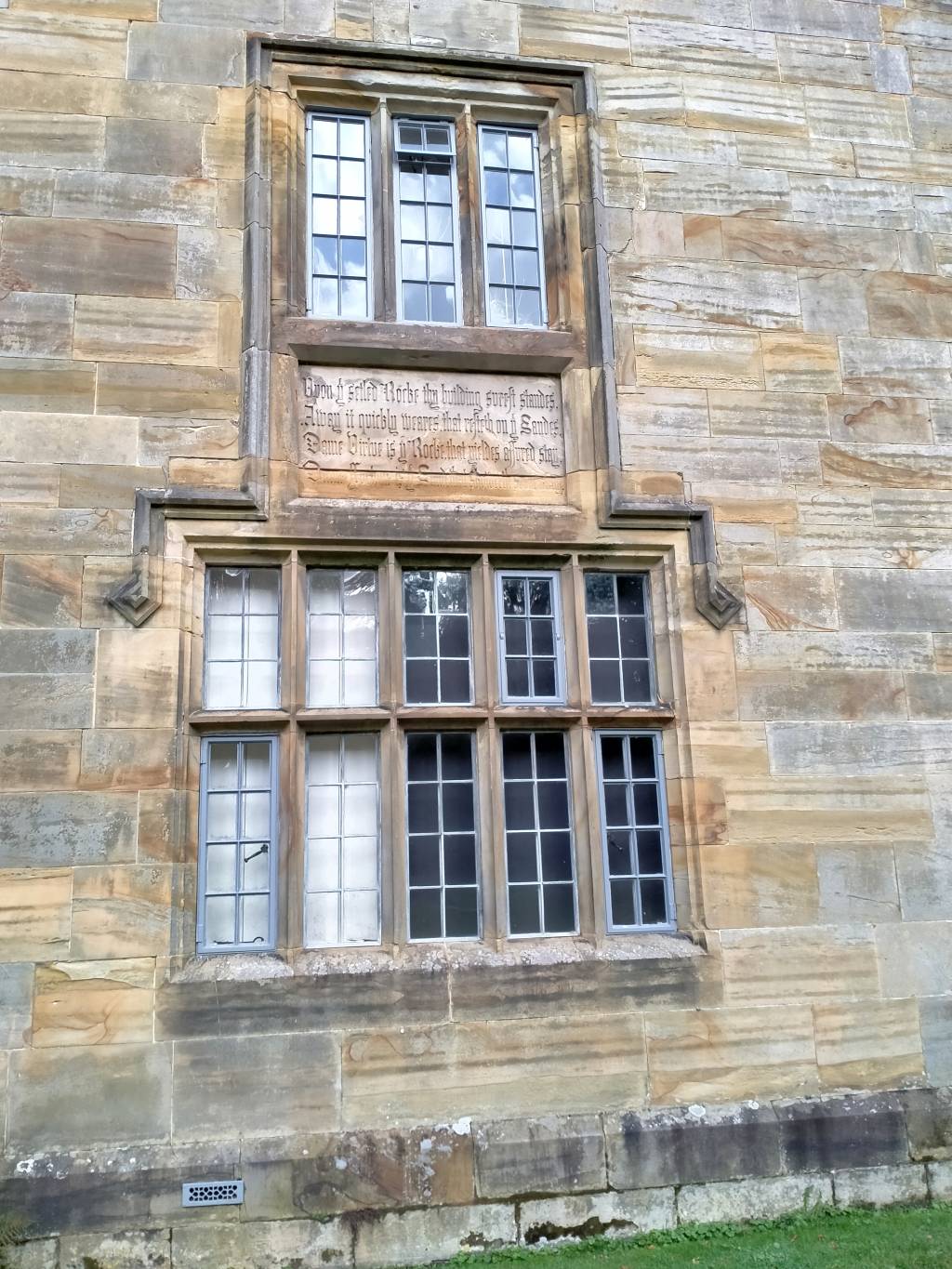
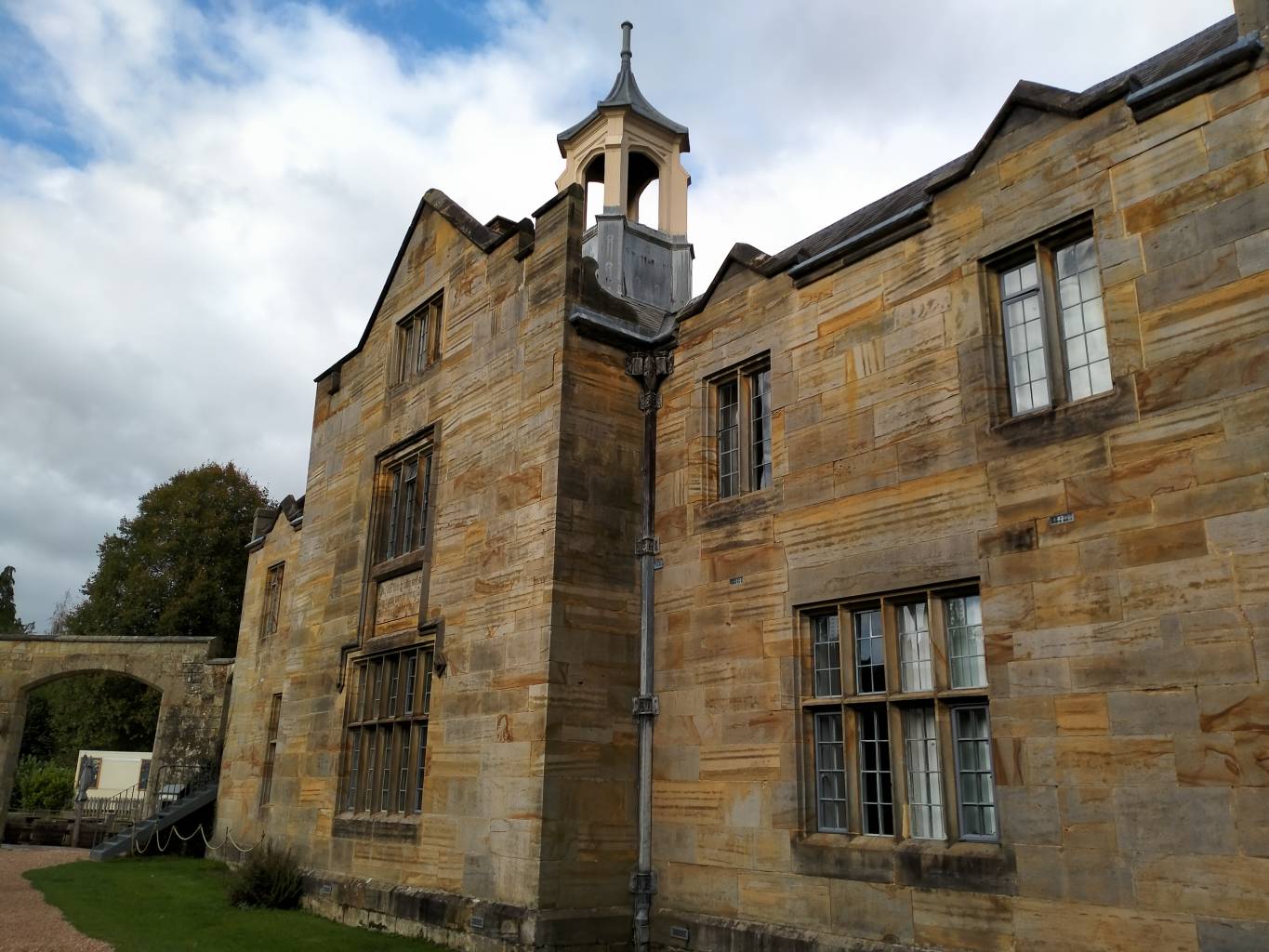
In 1778 the estate was purchased by Edward Hussey. His grandson, Edward Hussey III, decided the medieval castle was no longer suitable as a main residence. Between about 1835 and 1843 he commissioned architect Anthony Salvin to build a new Victorian country house on higher ground overlooking the valley.
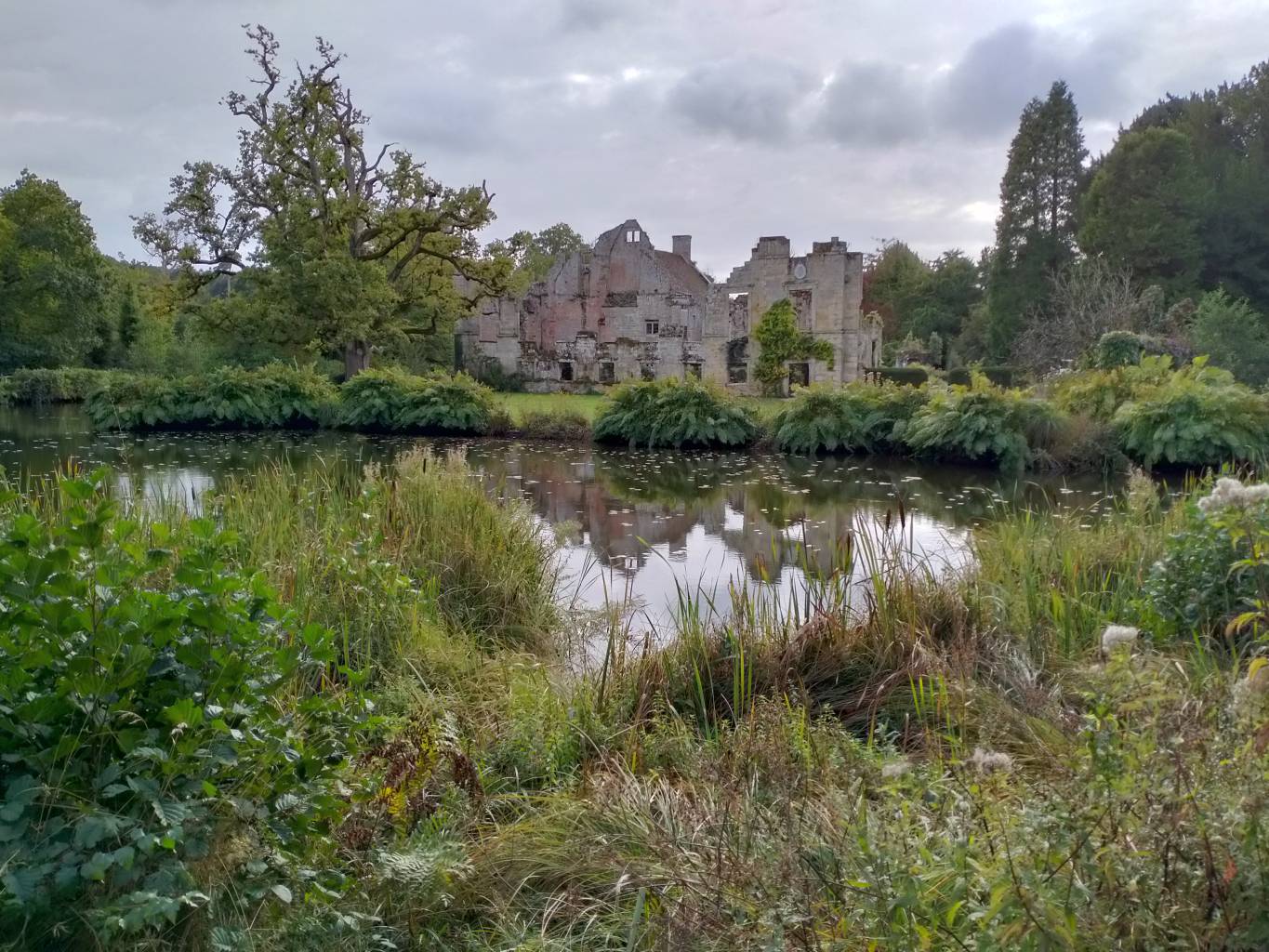
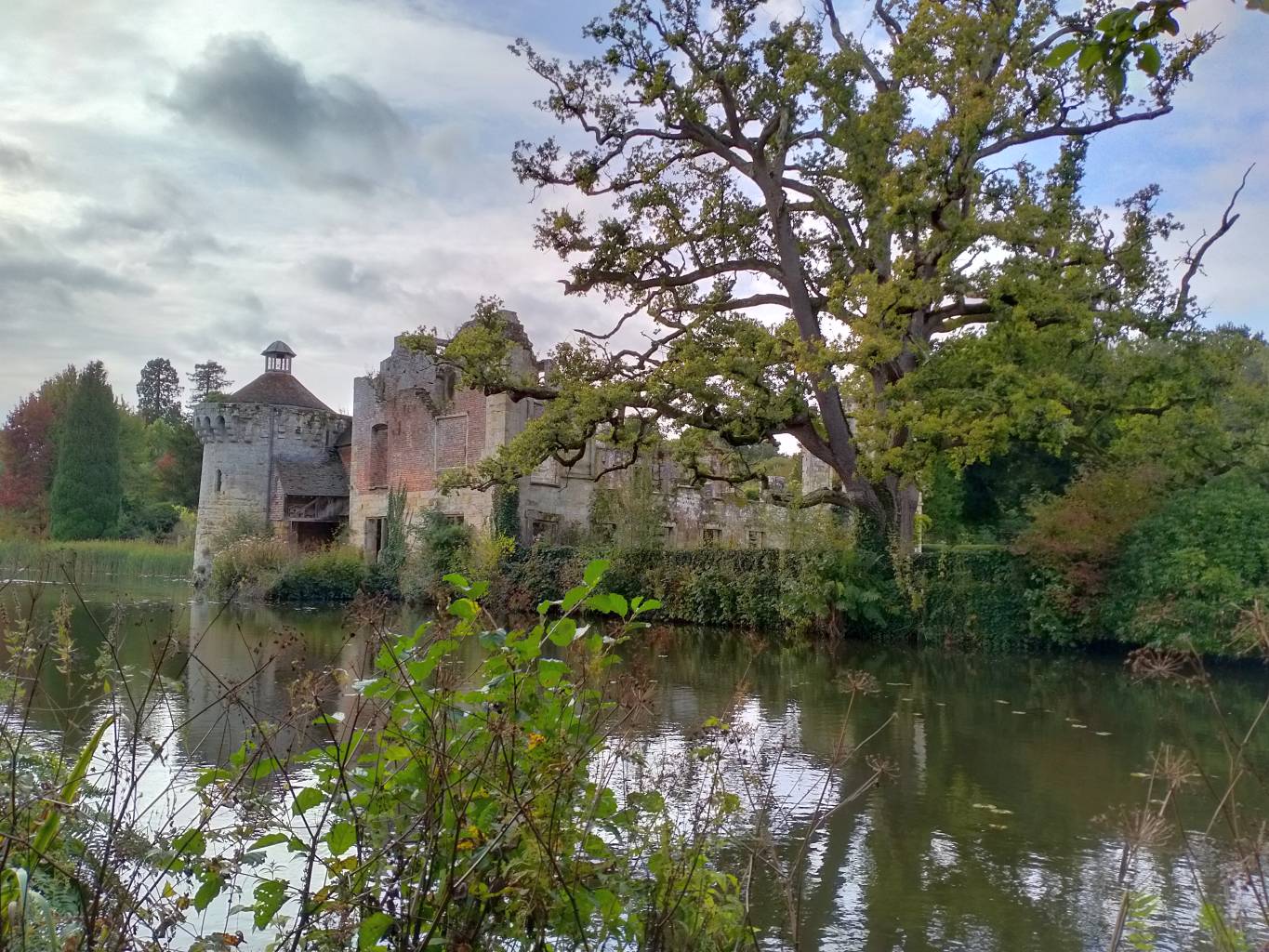
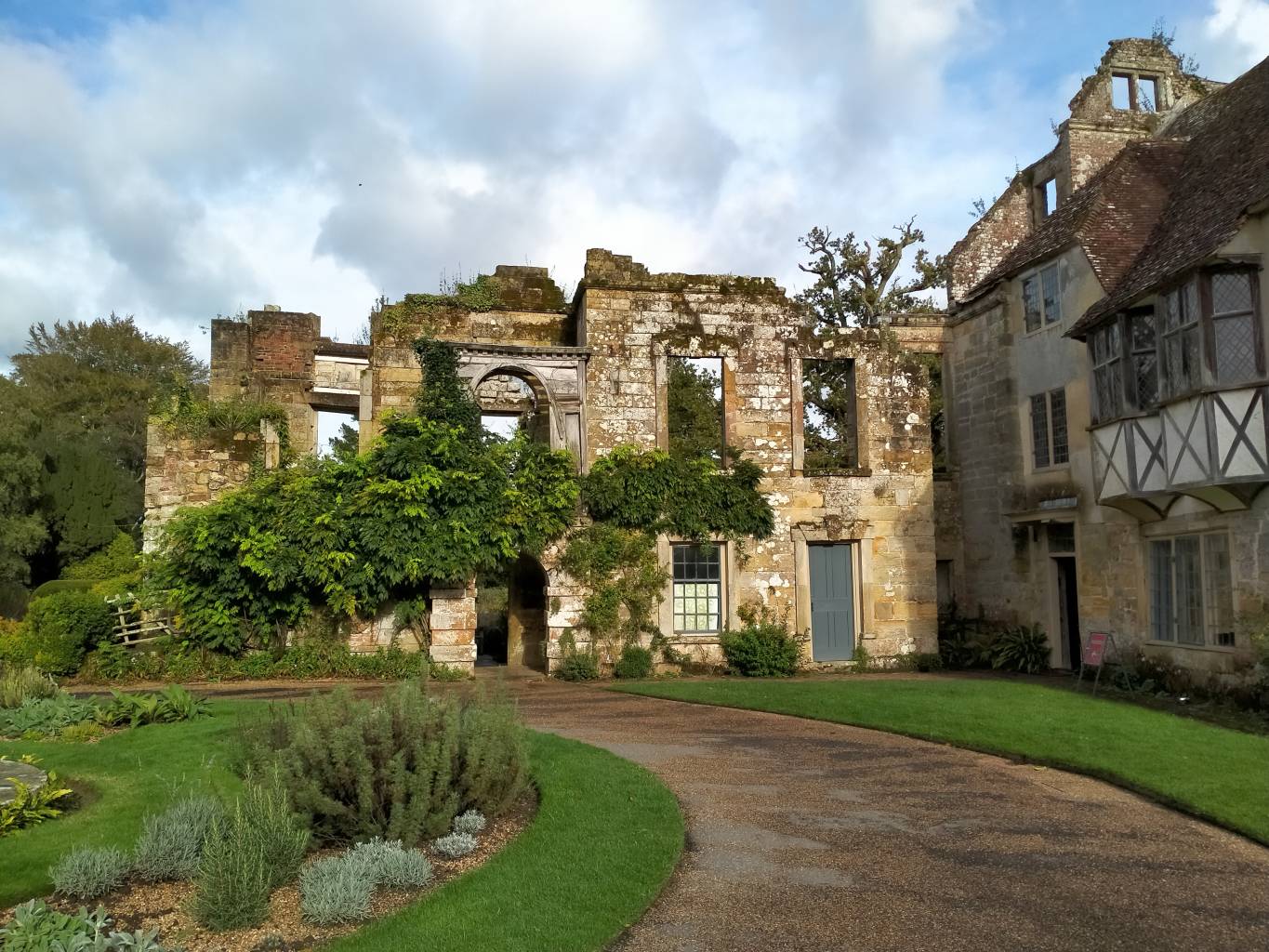
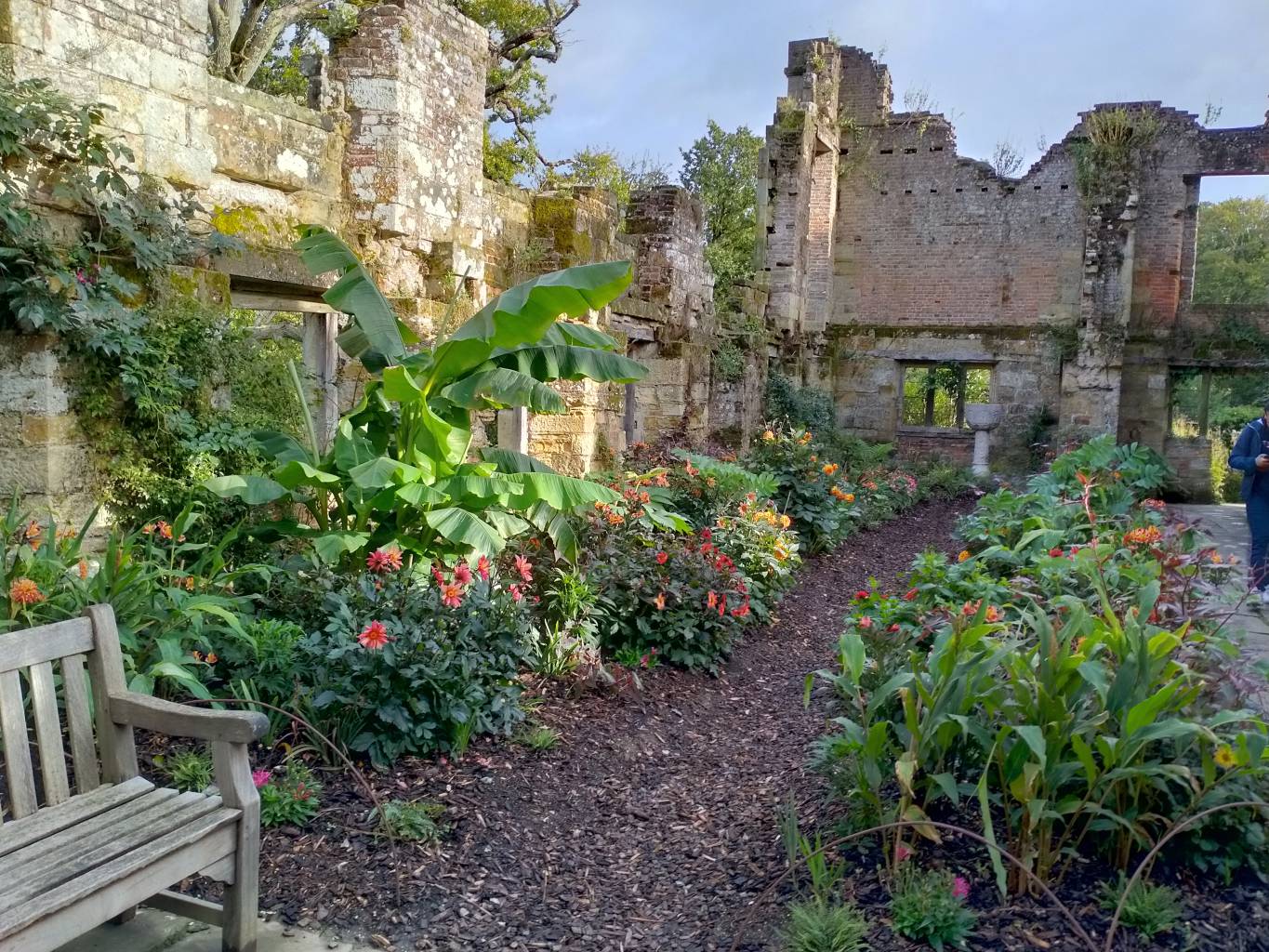
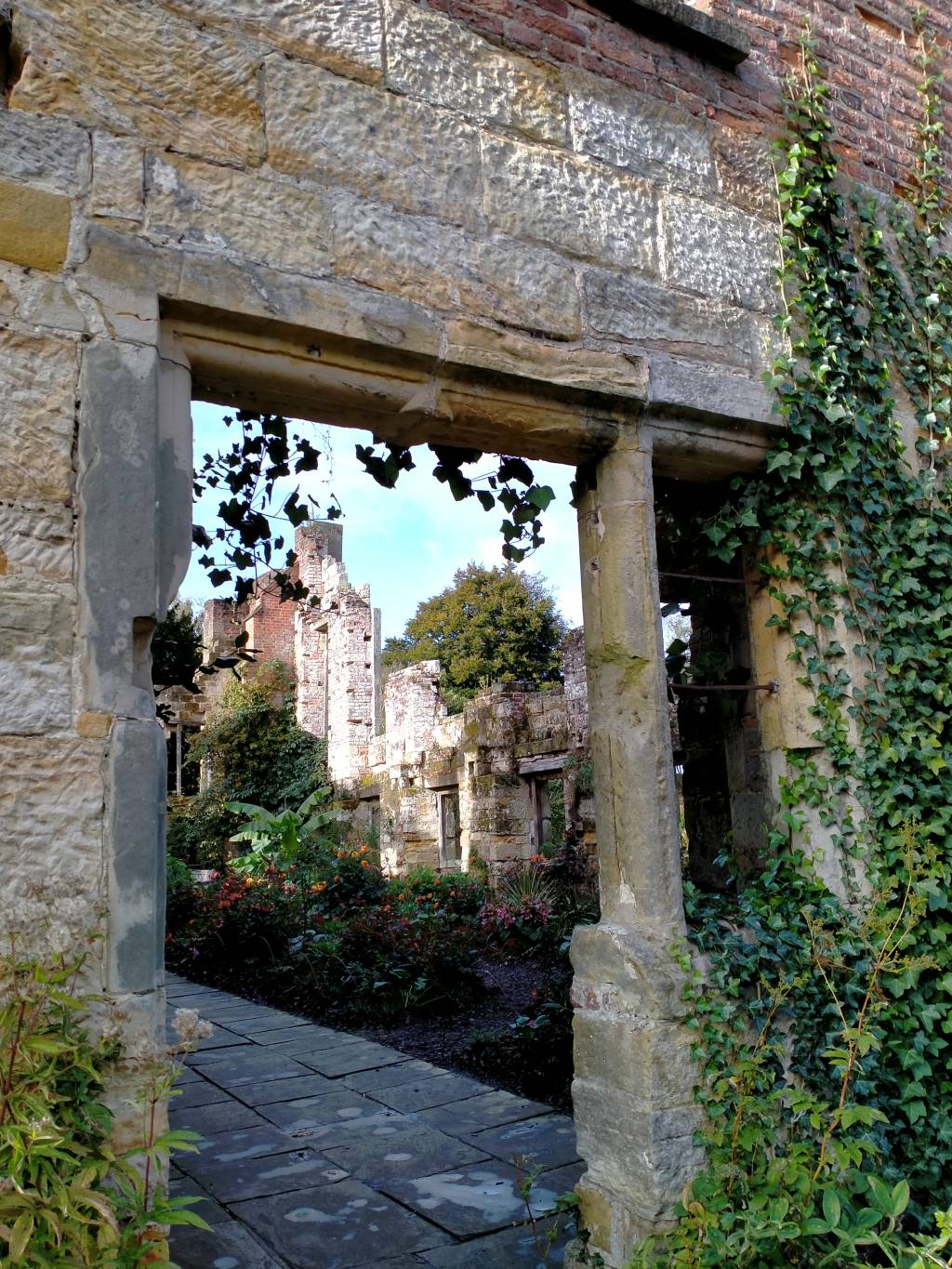
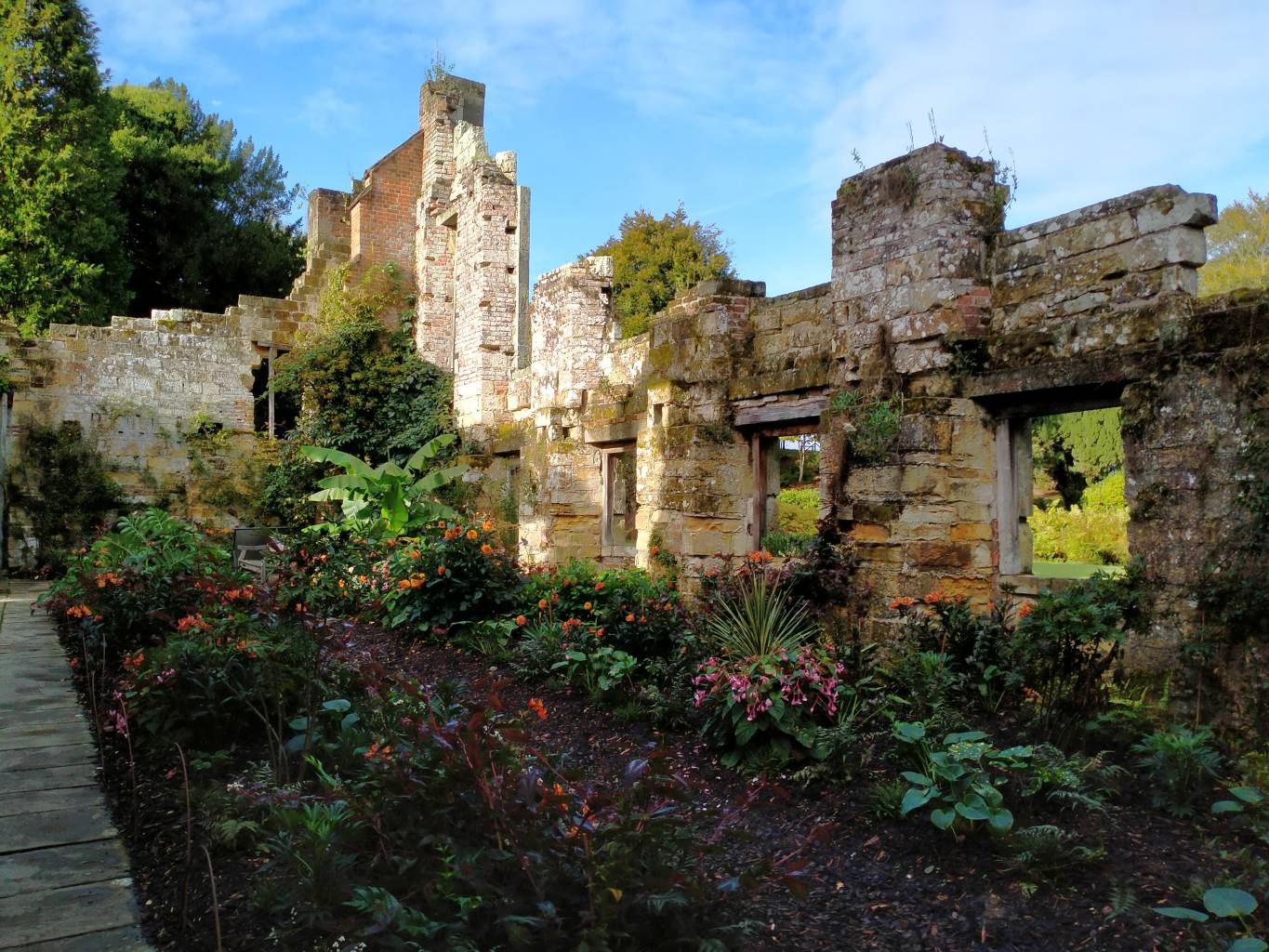
Rather than demolish the medieval castle, Hussey deliberately turned it into a Picturesque ruin, creating one of the finest examples of 19th-century romantic landscape design in England.
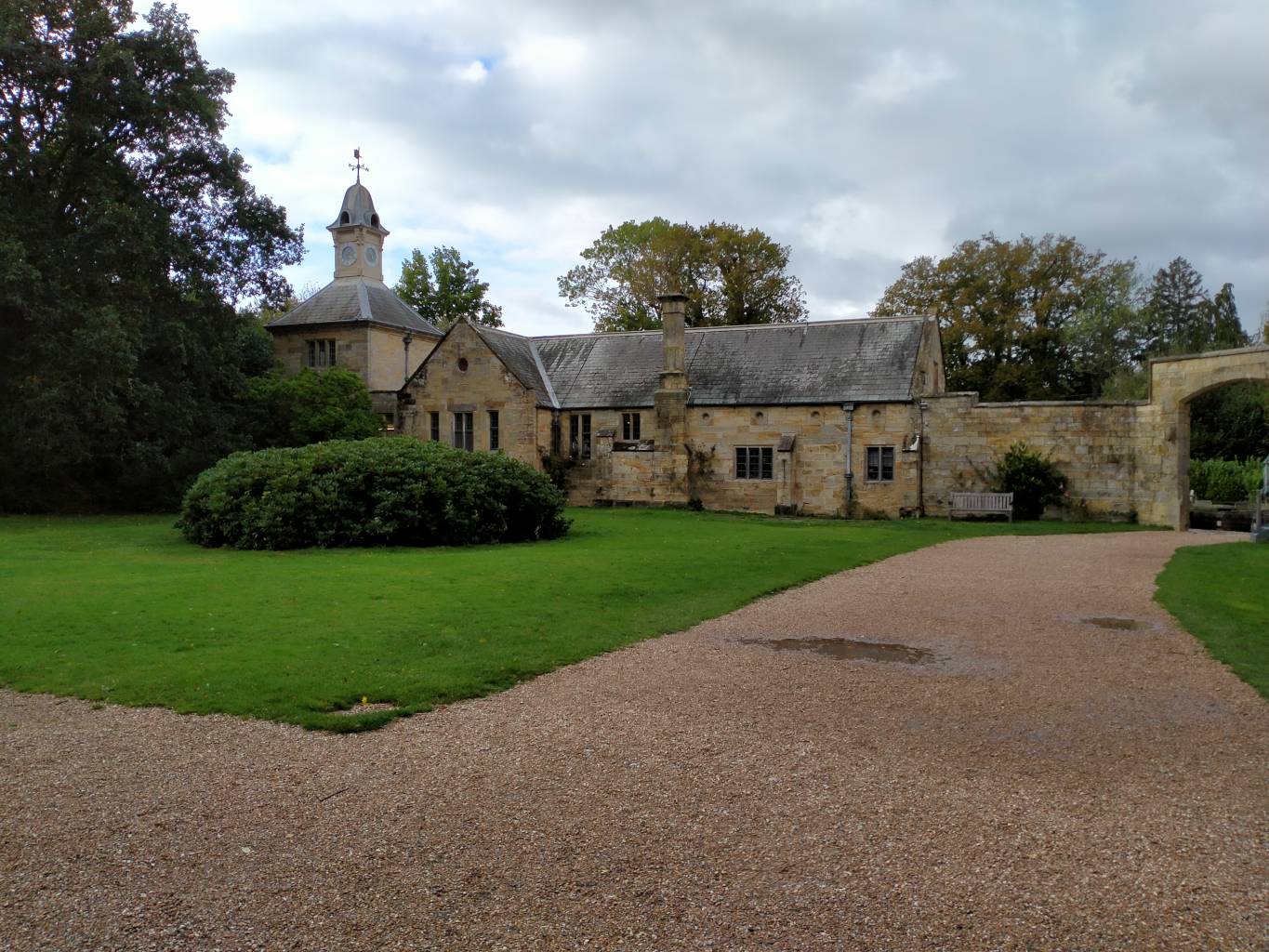
Today Scotney is owned and managed by the National Trust. The old castle survives as a carefully conserved ruin set within a moat, while the Victorian mansion remains largely intact and is open to visitors. The wider estate includes:
- About 780 acres of parkland and woodland.
- A 30-acre Picturesque garden, regarded as one of the best surviving examples of that style.
- Areas protected as a Site of Special Scientific Interest (SSSI).
- Ongoing conservation and management of woodland, historic features and visitor facilities.
Unlike many castles that feel heavily restored, Scotney’s charm is that the ruin, water, trees and Victorian house still create almost exactly the romantic composition its 19th-century owner intended.
The Old Moated Castle
The view across the water to the ruin is the iconic Scotney scene. The surviving tower, ivy-covered masonry and reflections in the moat make it look almost unreal. The fact that much of this appearance was intentionally crafted in the 19th century is part of the fascination. Hussey and Salvin designed the entire landscape so the old ruin would become a focal point in carefully framed views.
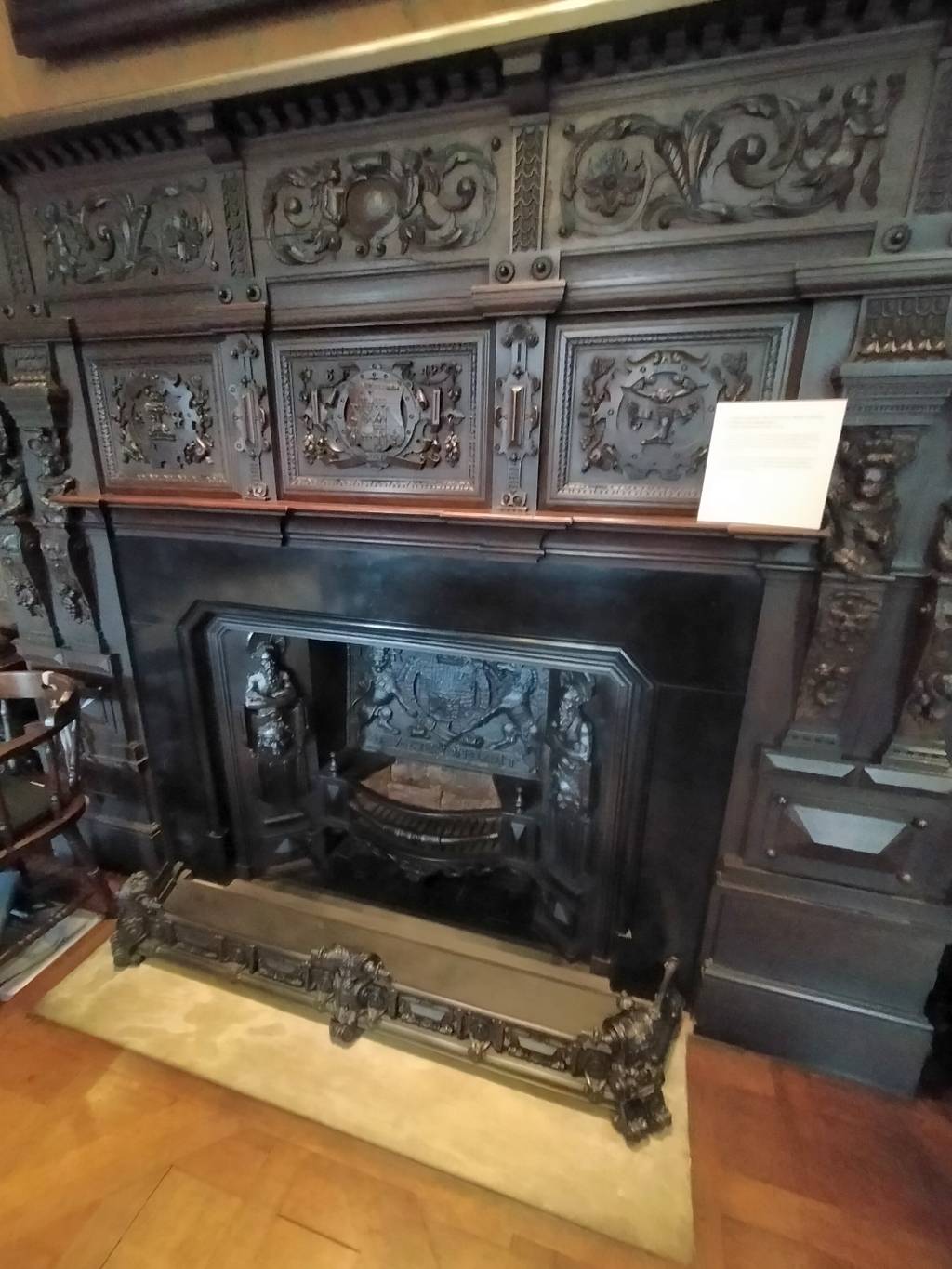
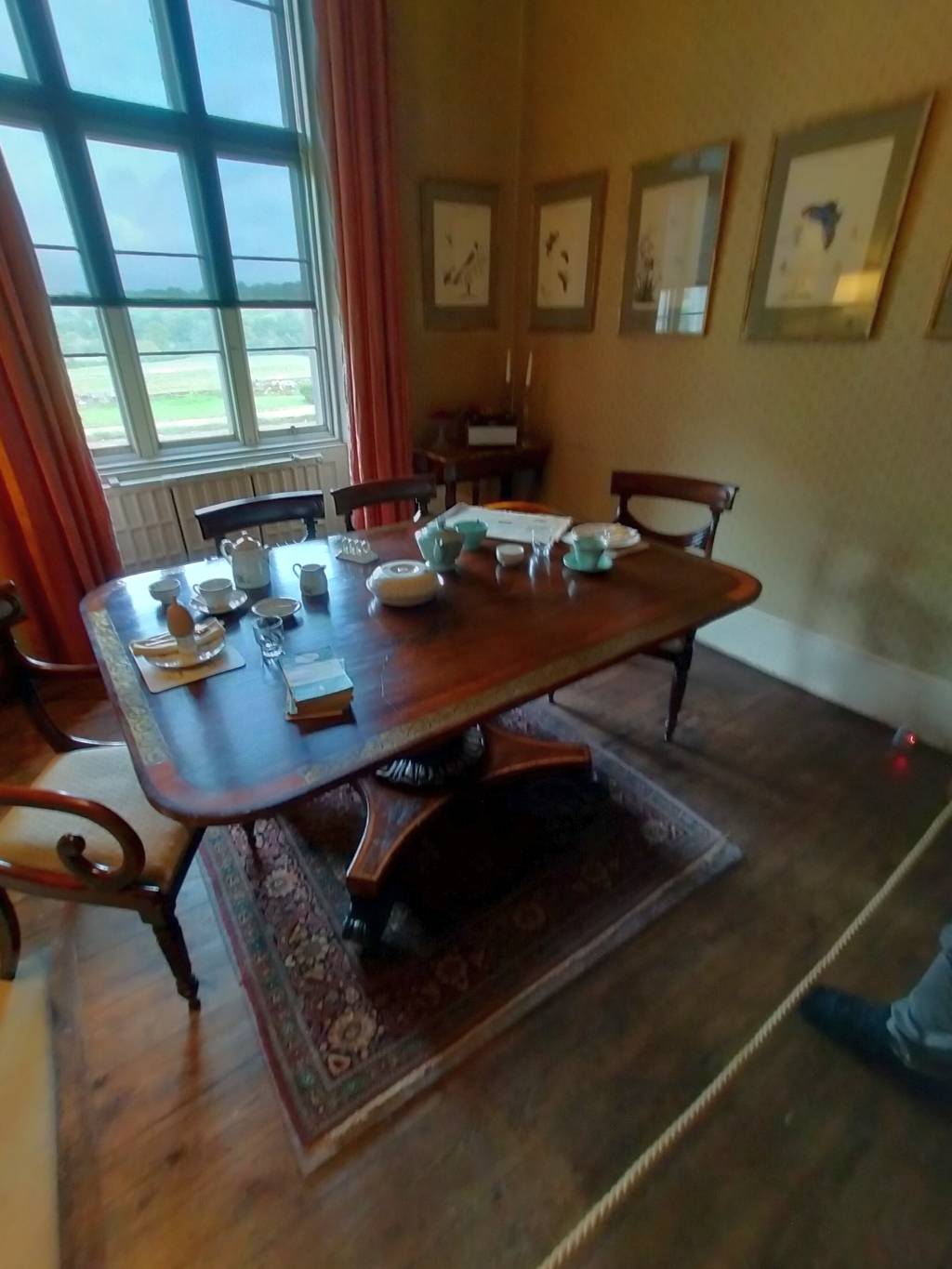
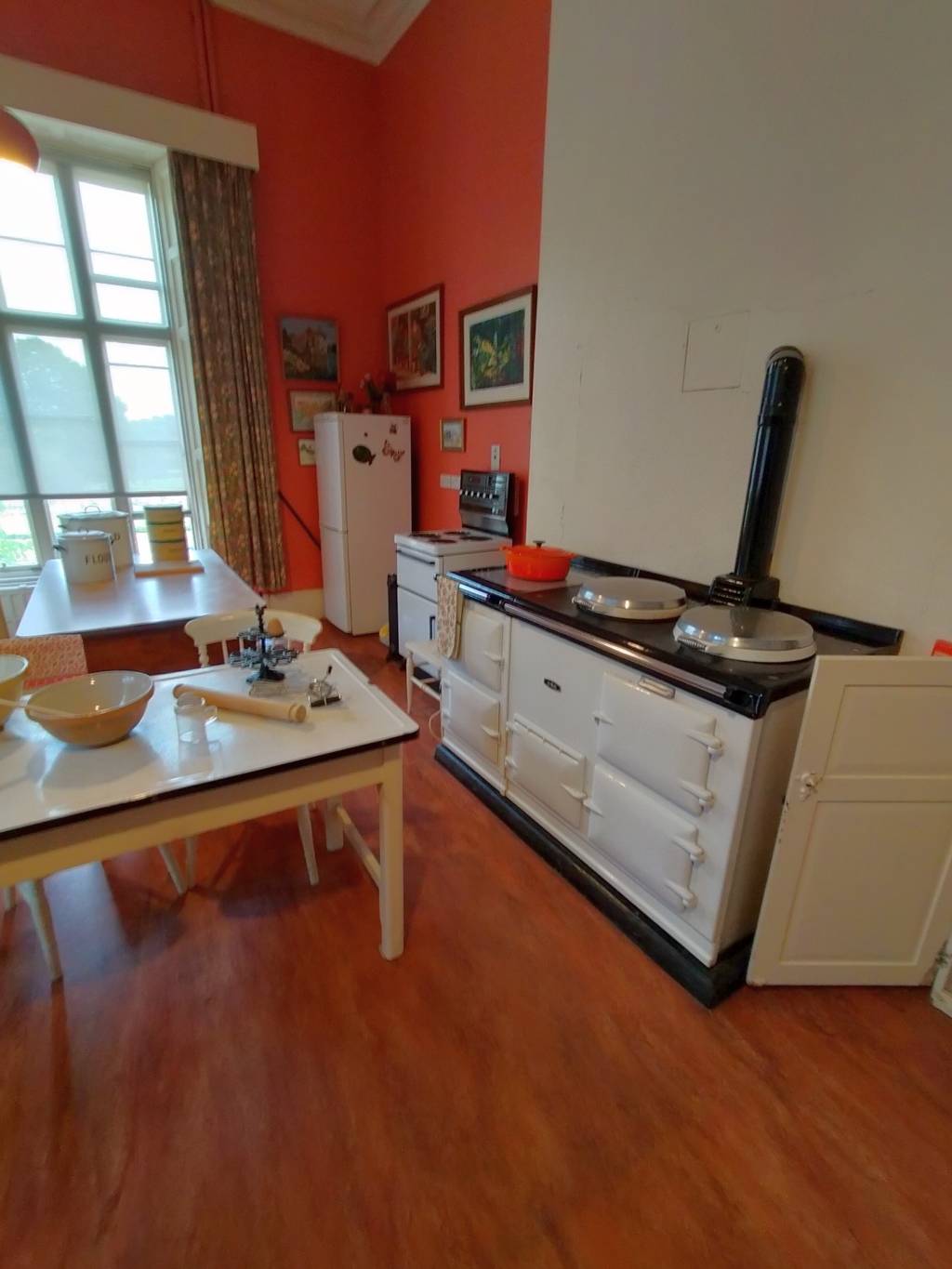
The Victorian Mansion
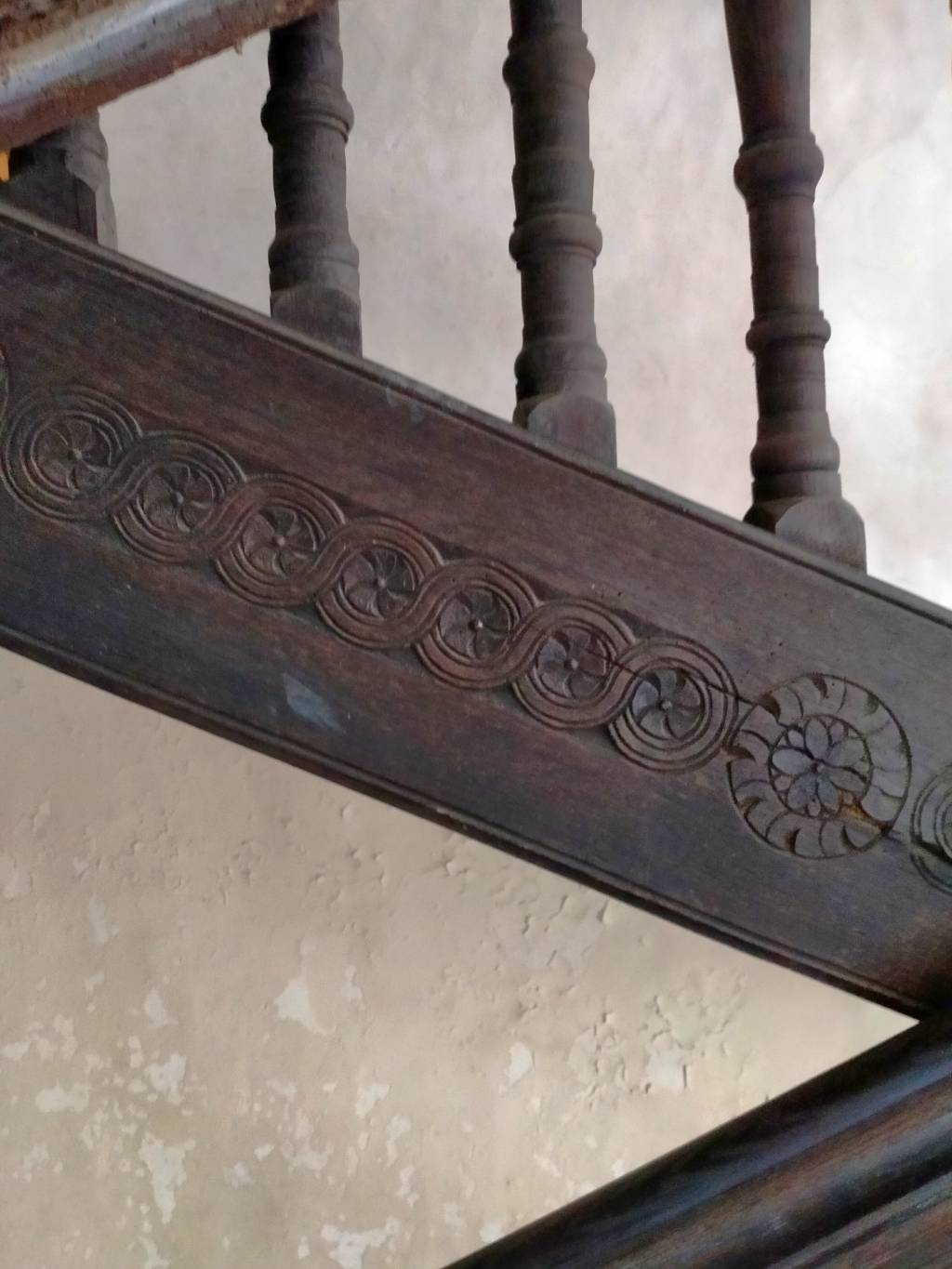
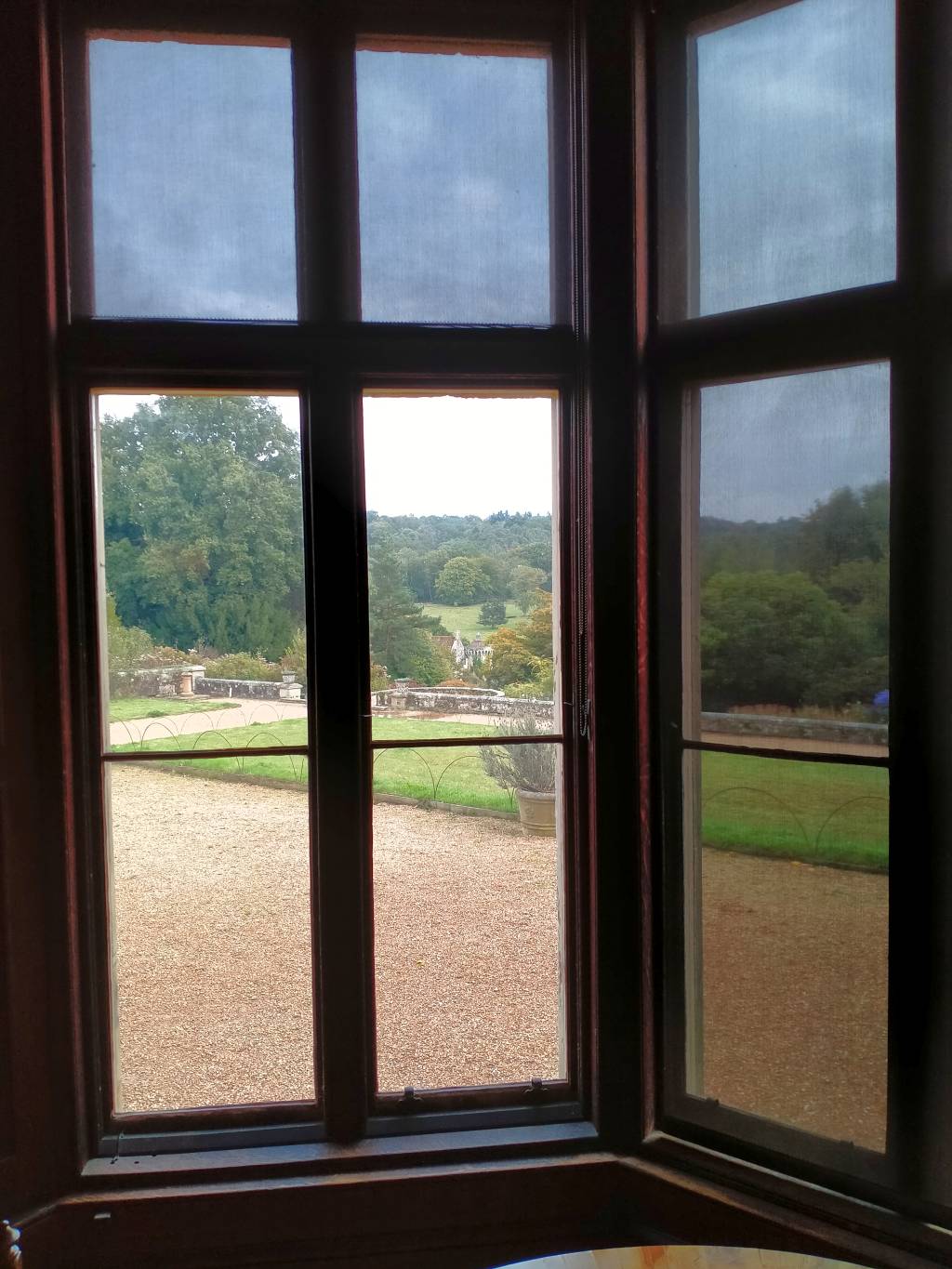
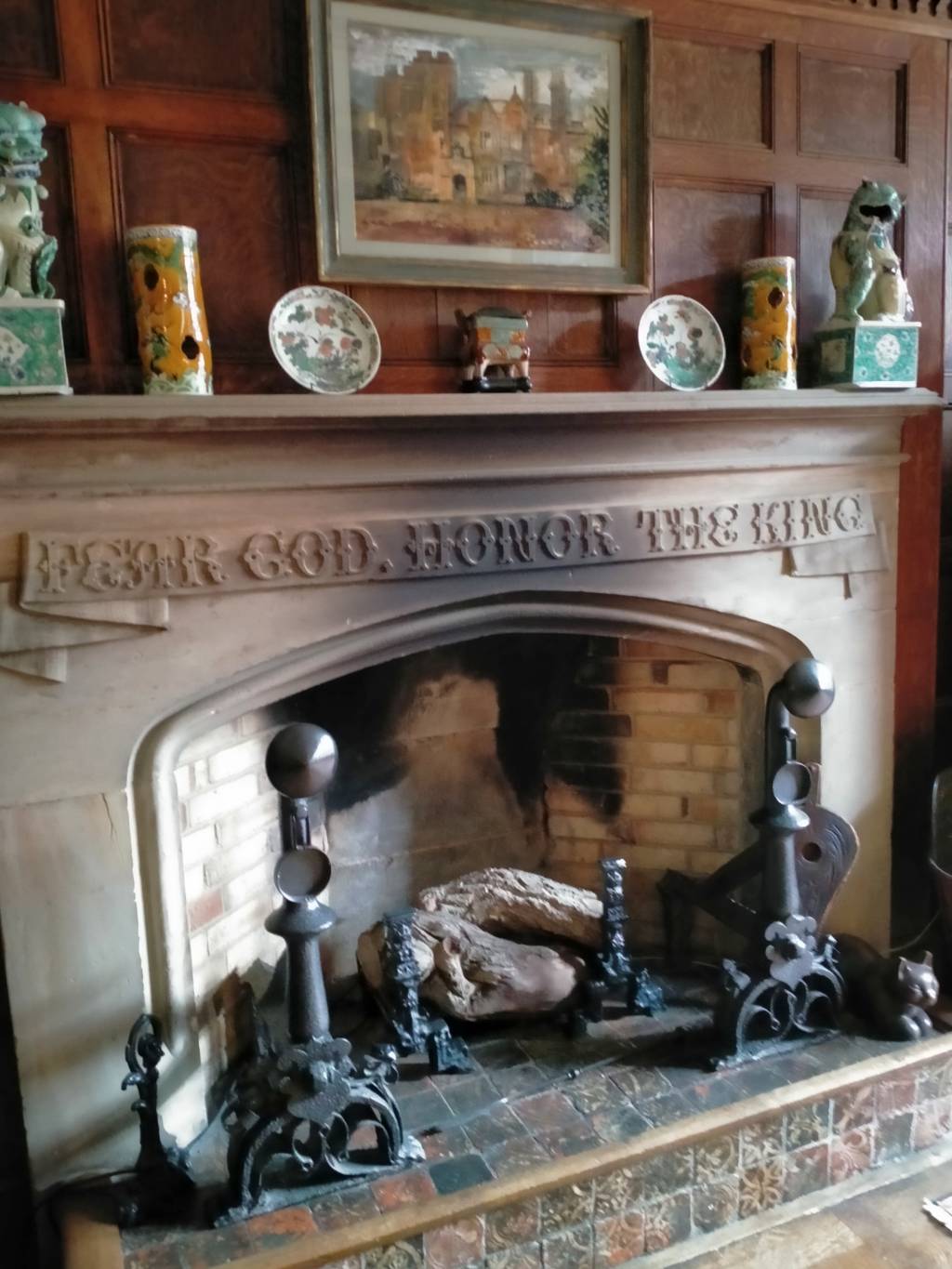
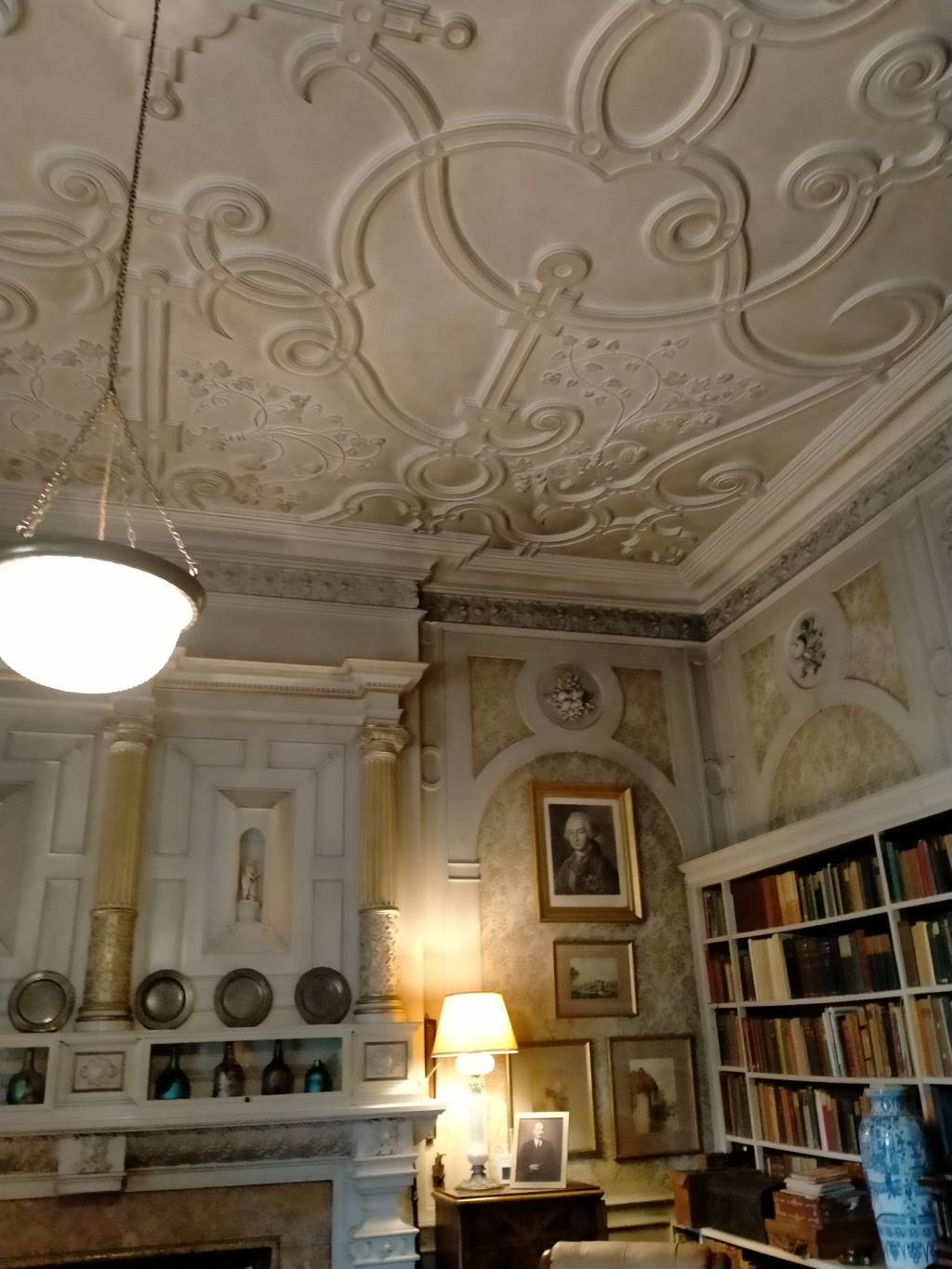
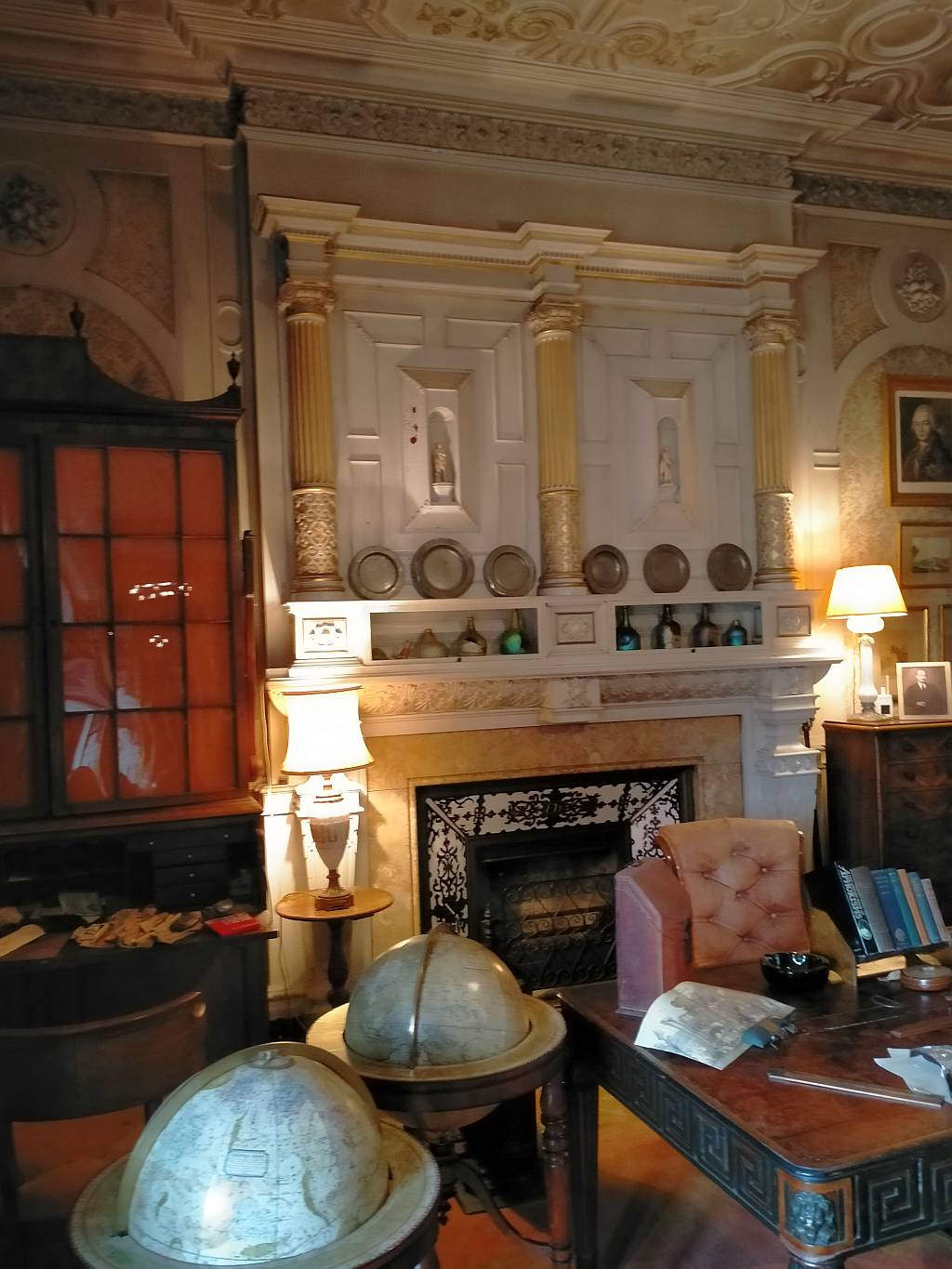
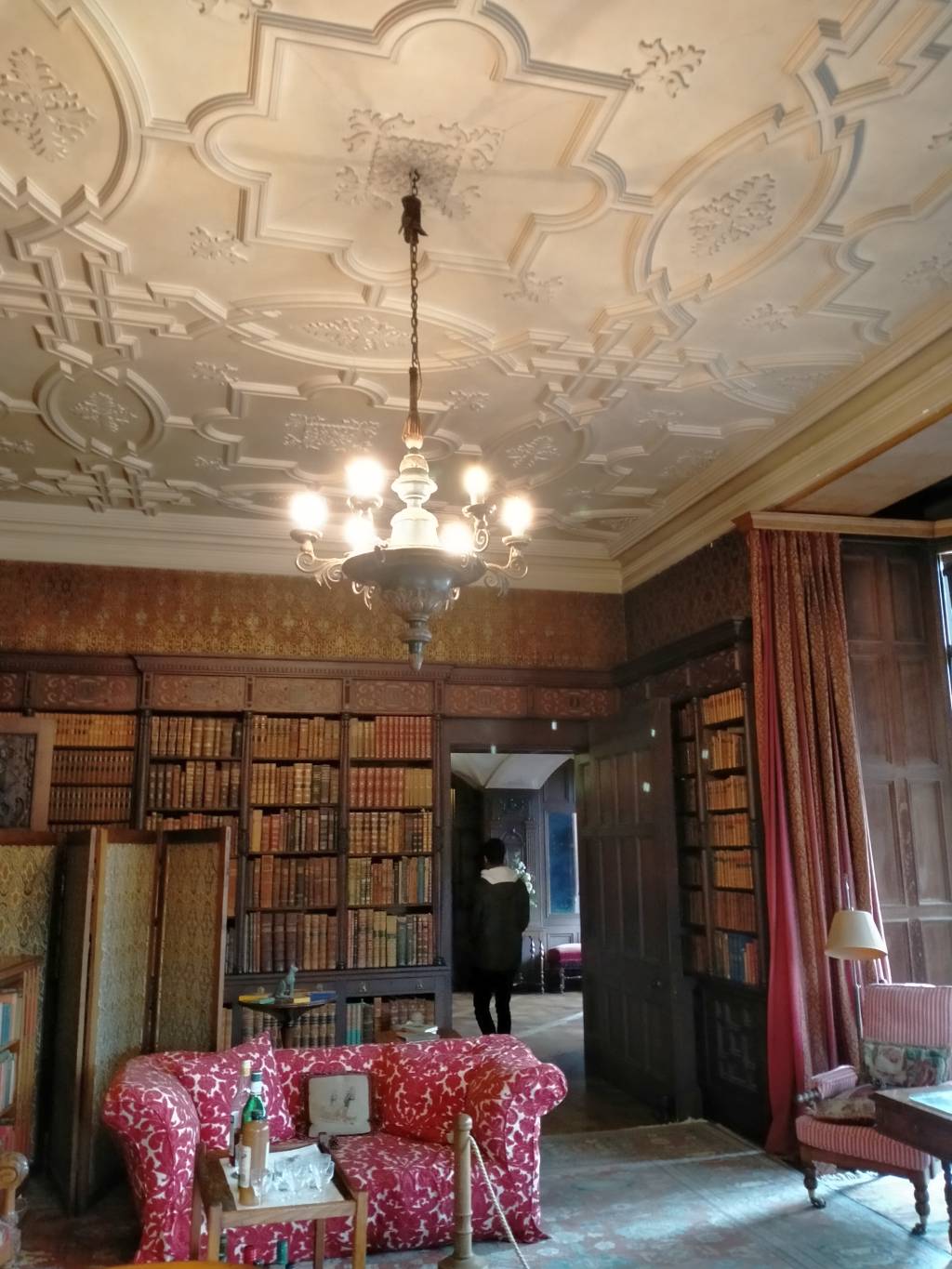
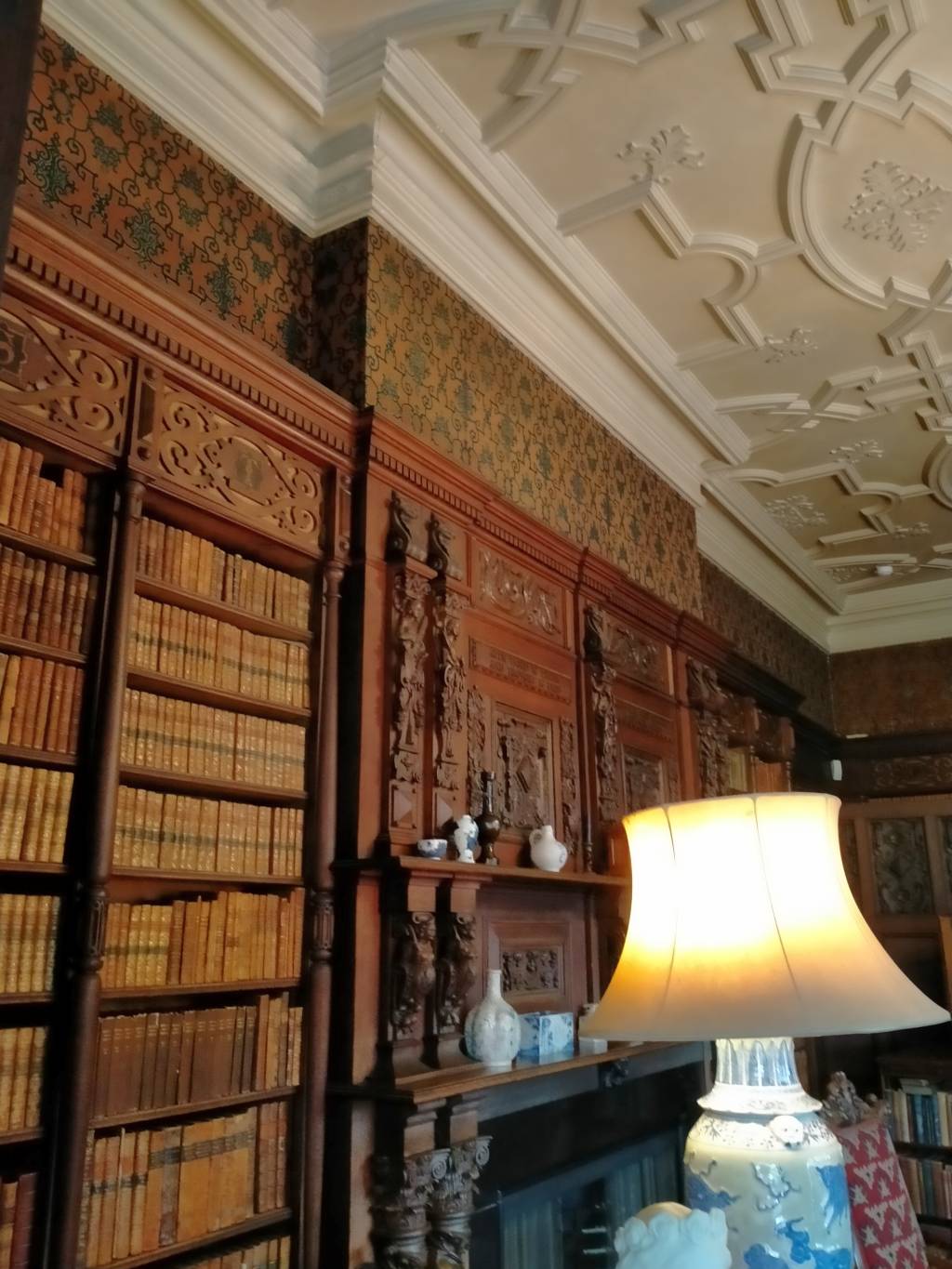
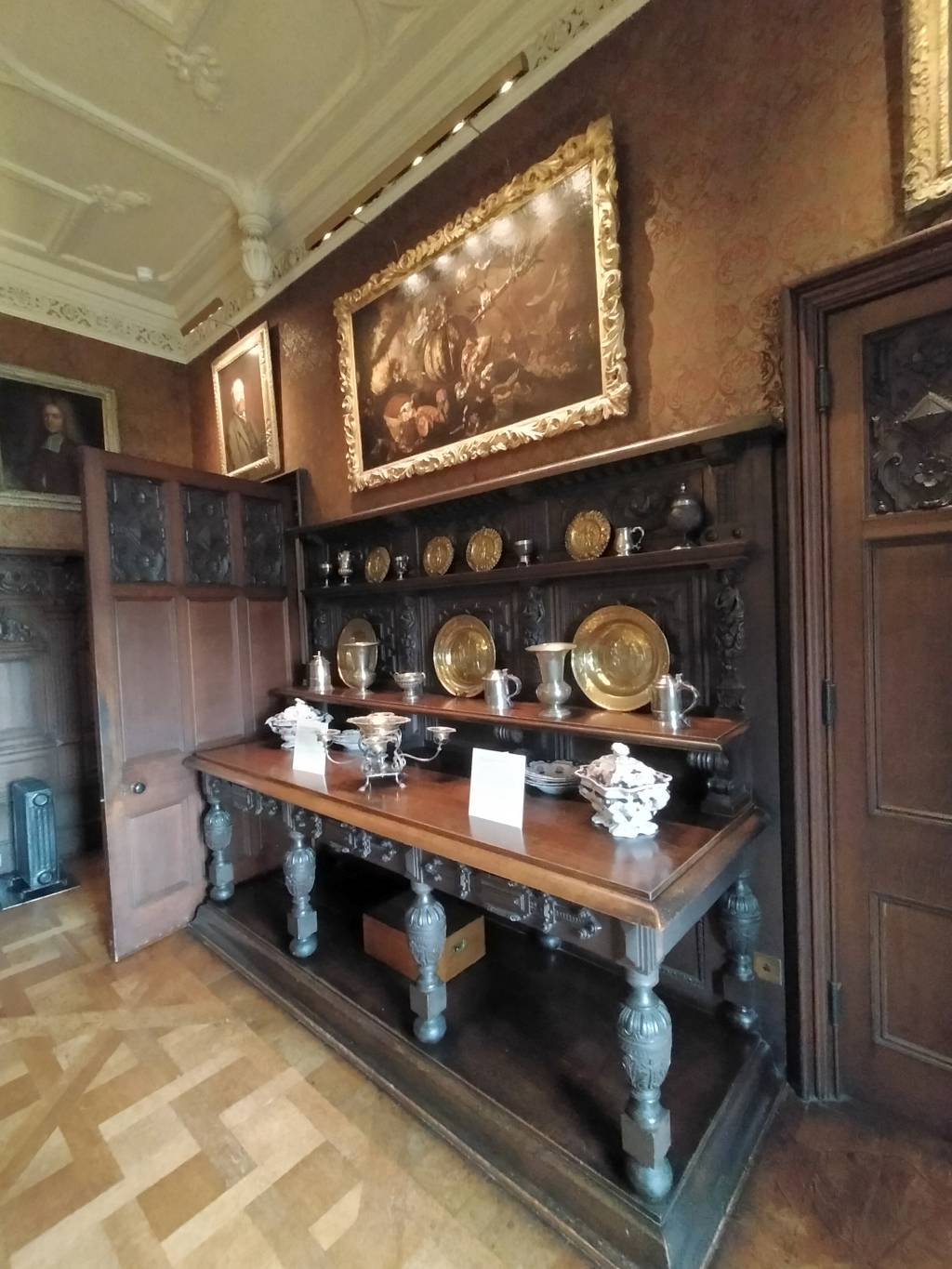
The house is relatively restrained compared with many Victorian country houses. Because only a few generations of the Hussey family lived there, many interiors remained little altered.
The Quarry Garden
The sandstone used to build the new house came from a quarry within the estate. Instead of leaving a scar, the quarry was transformed into a dramatic garden with winding paths, unusual trees and shrubs.
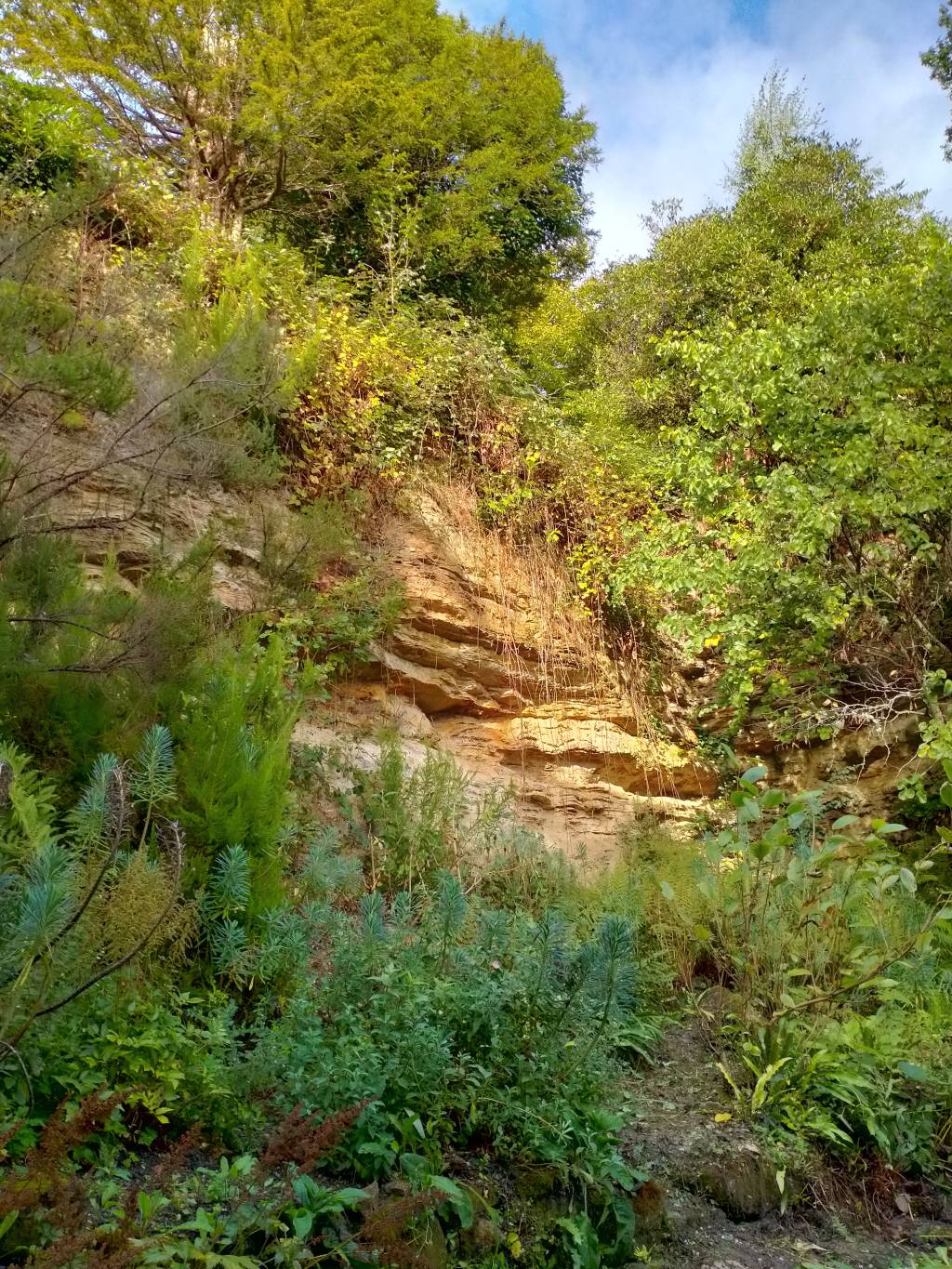
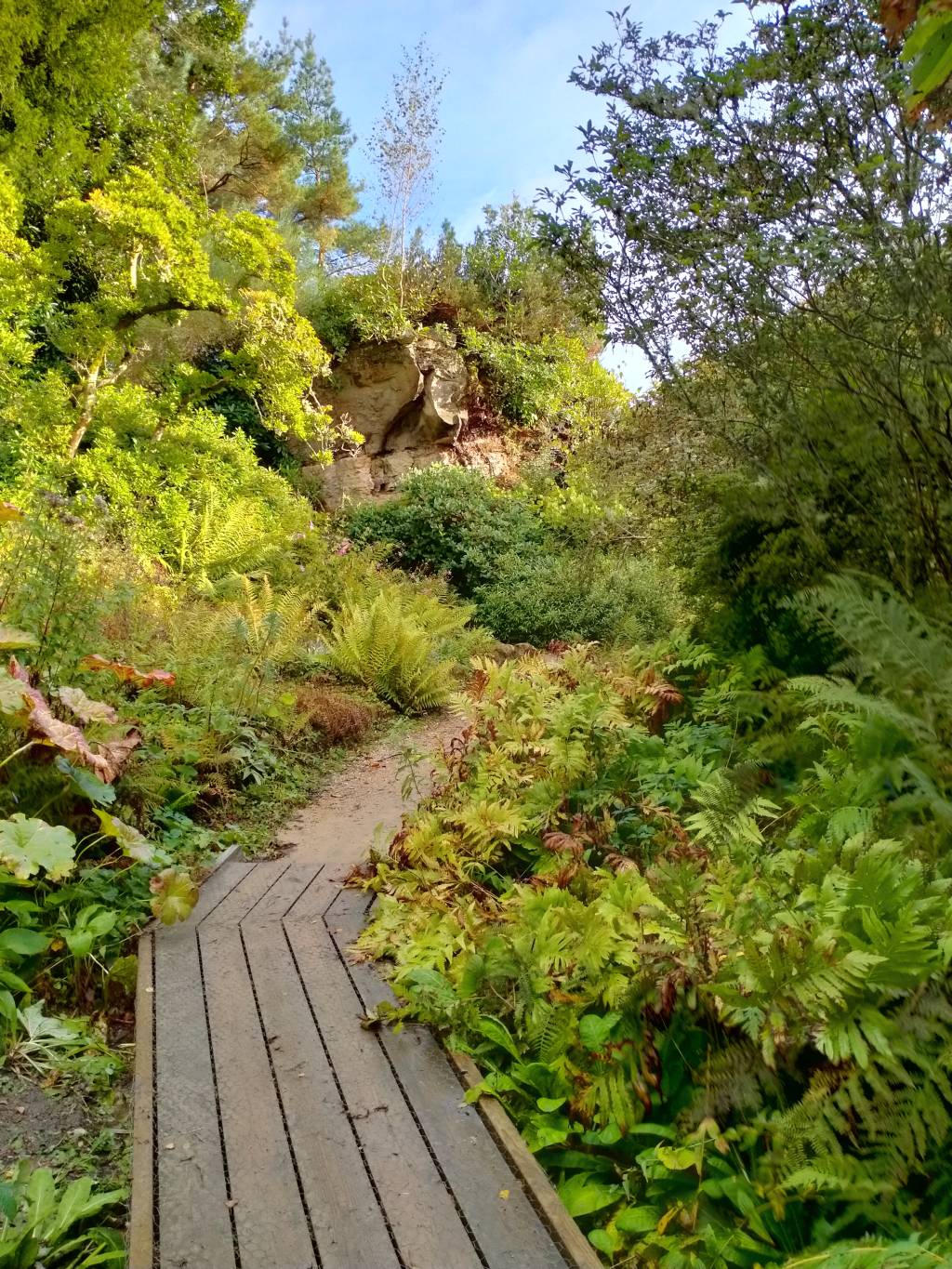
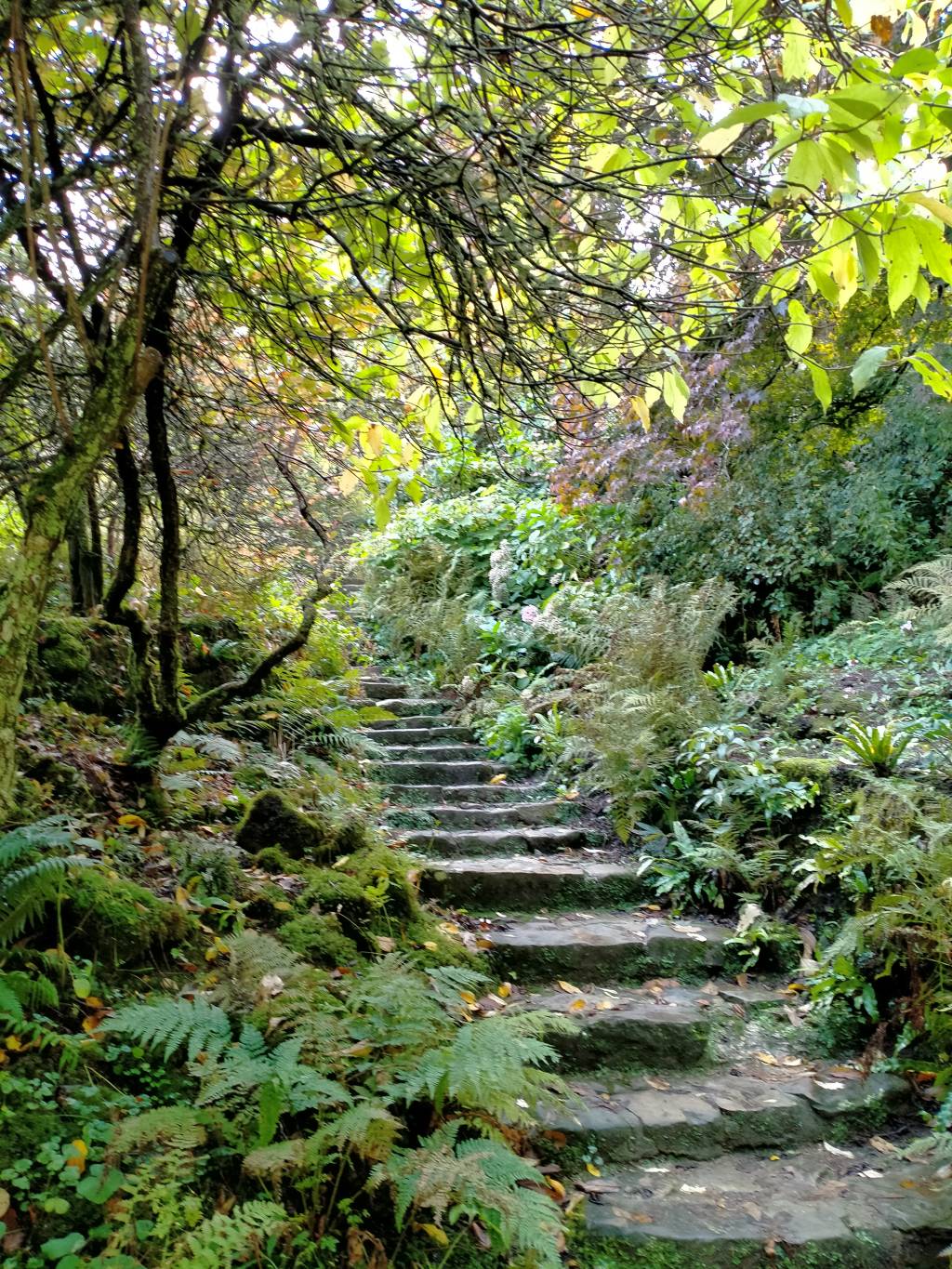
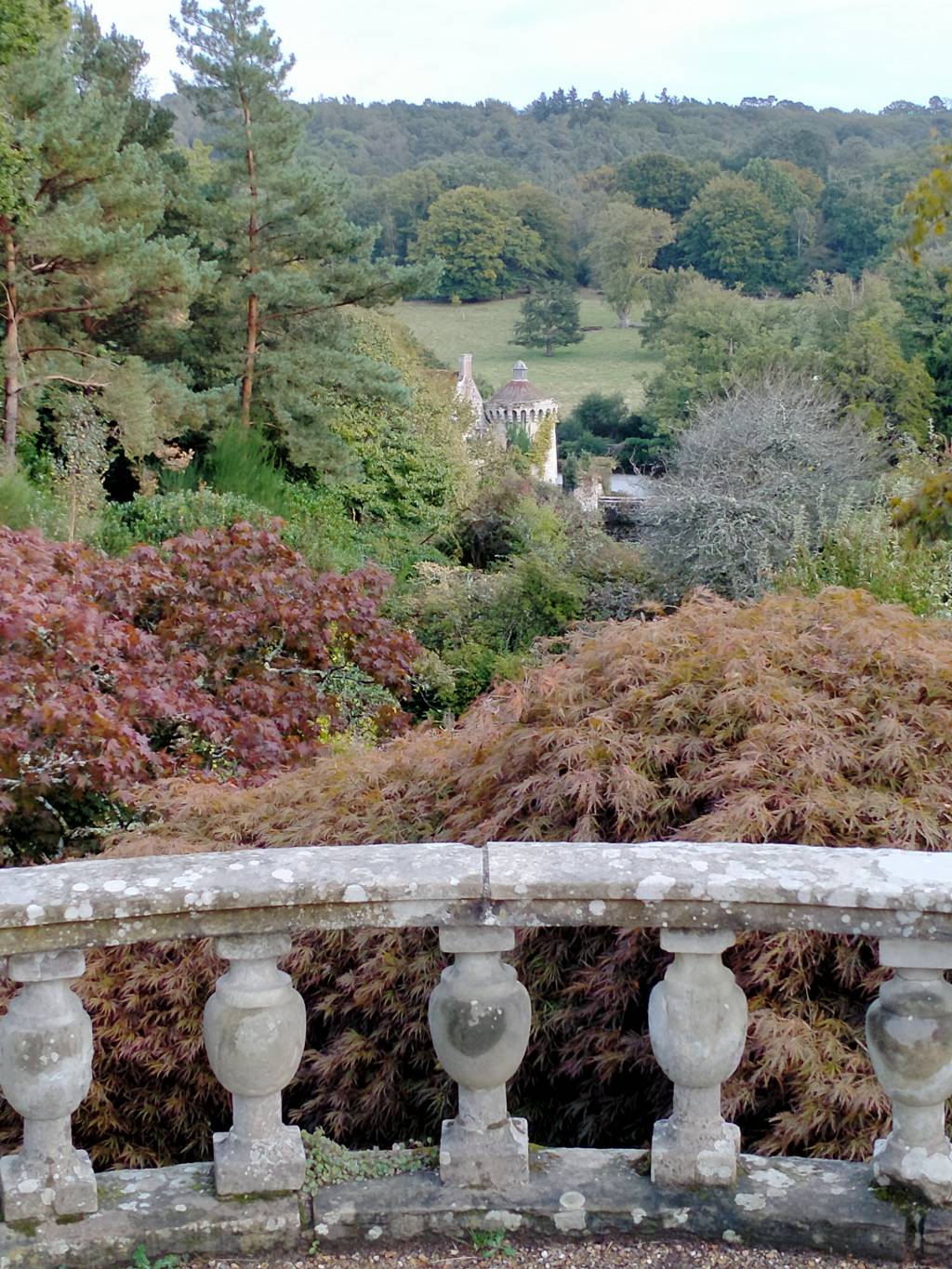
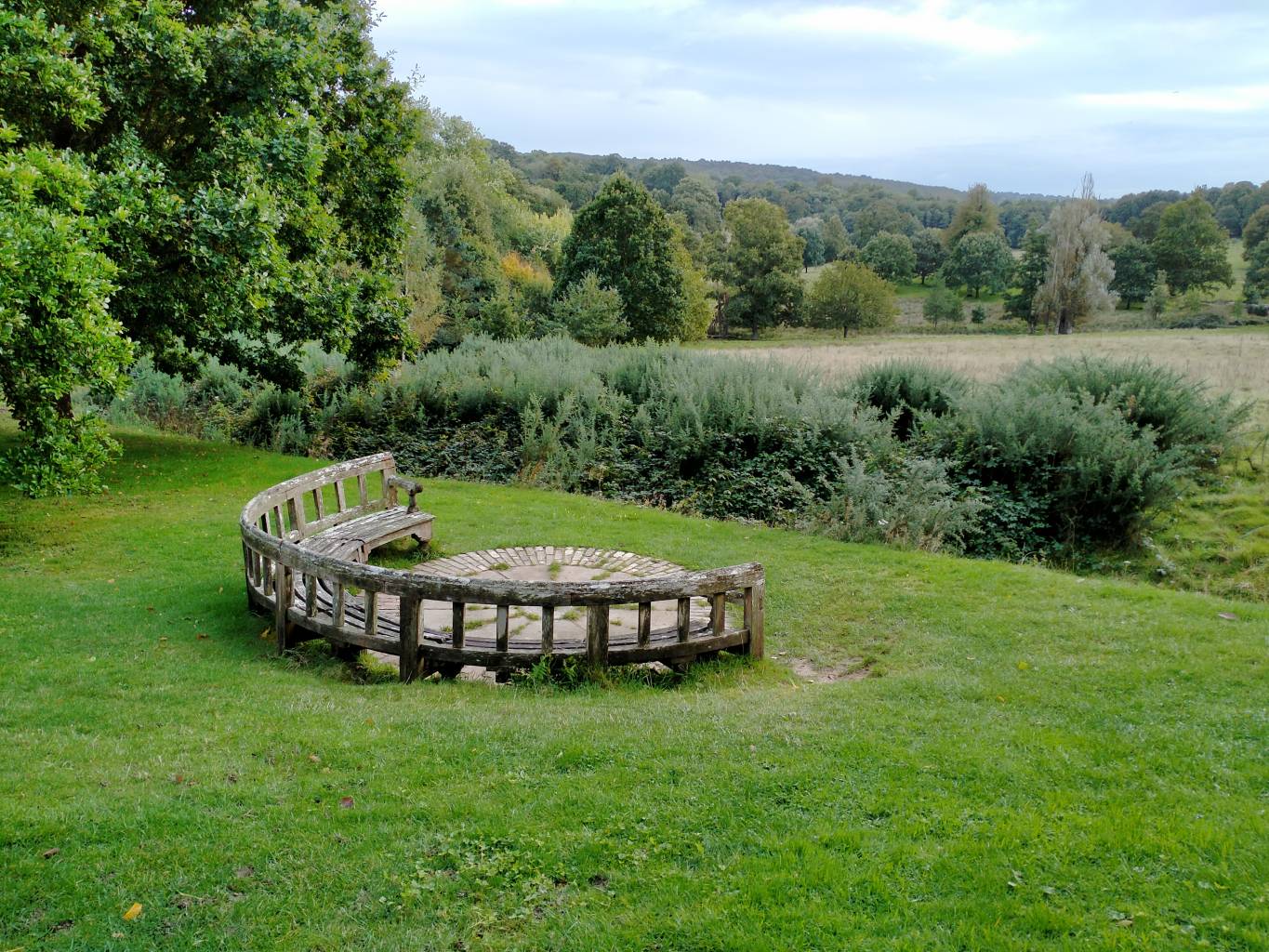
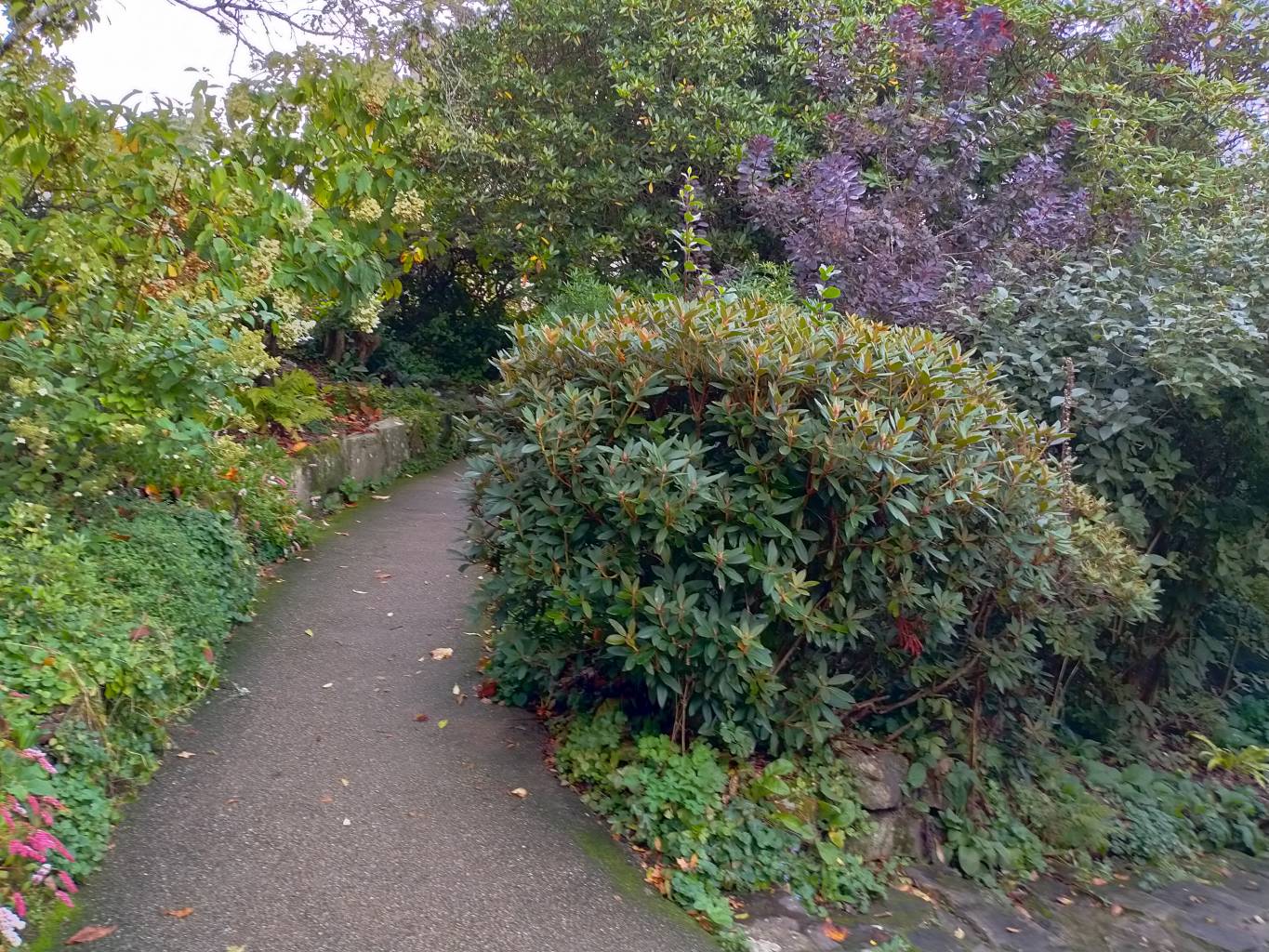
The estate contains ancient parkland trees, woodland walks and autumn colour that many visitors overlook while focusing on the castle itself.
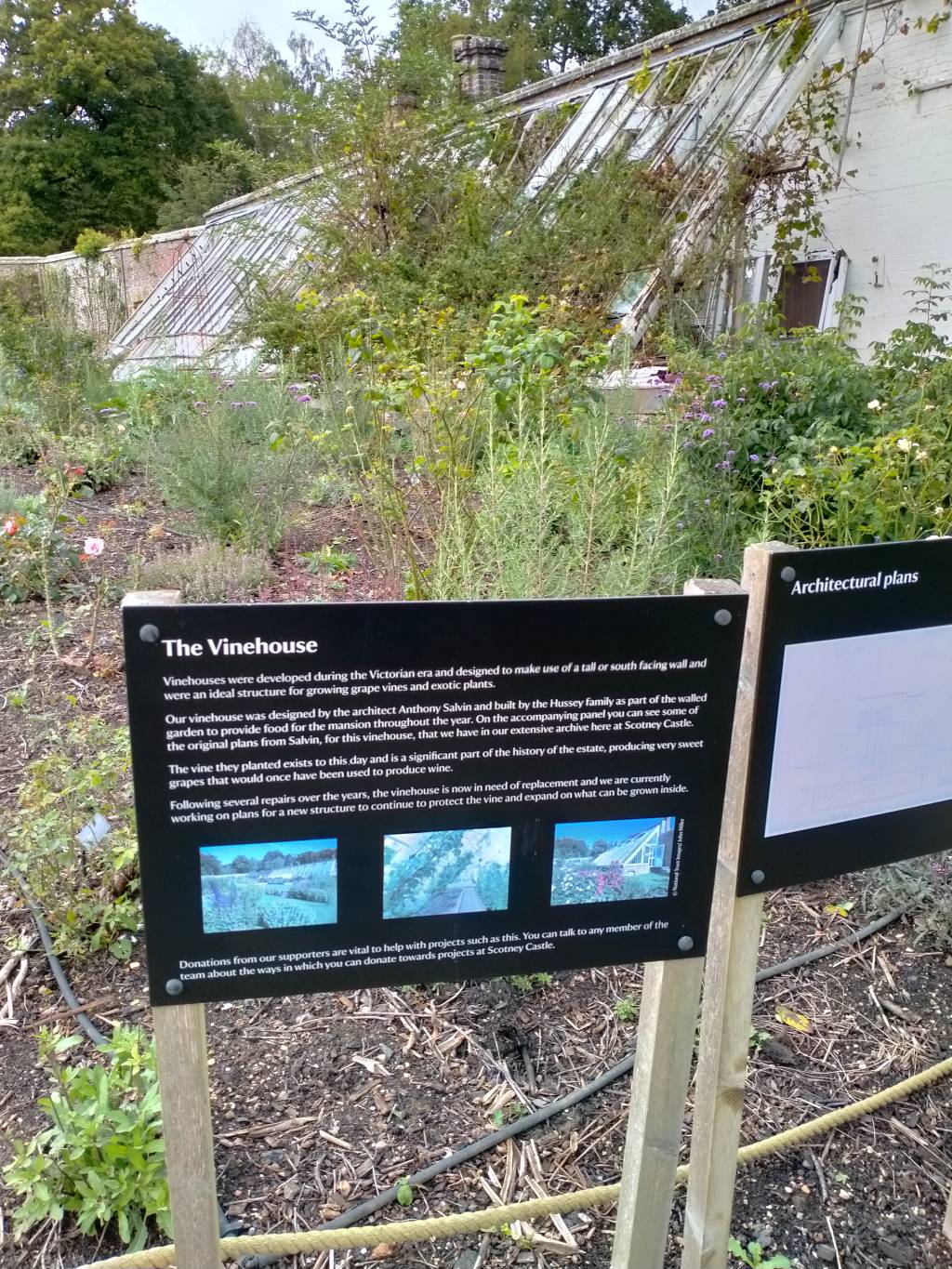
The Walled Garden
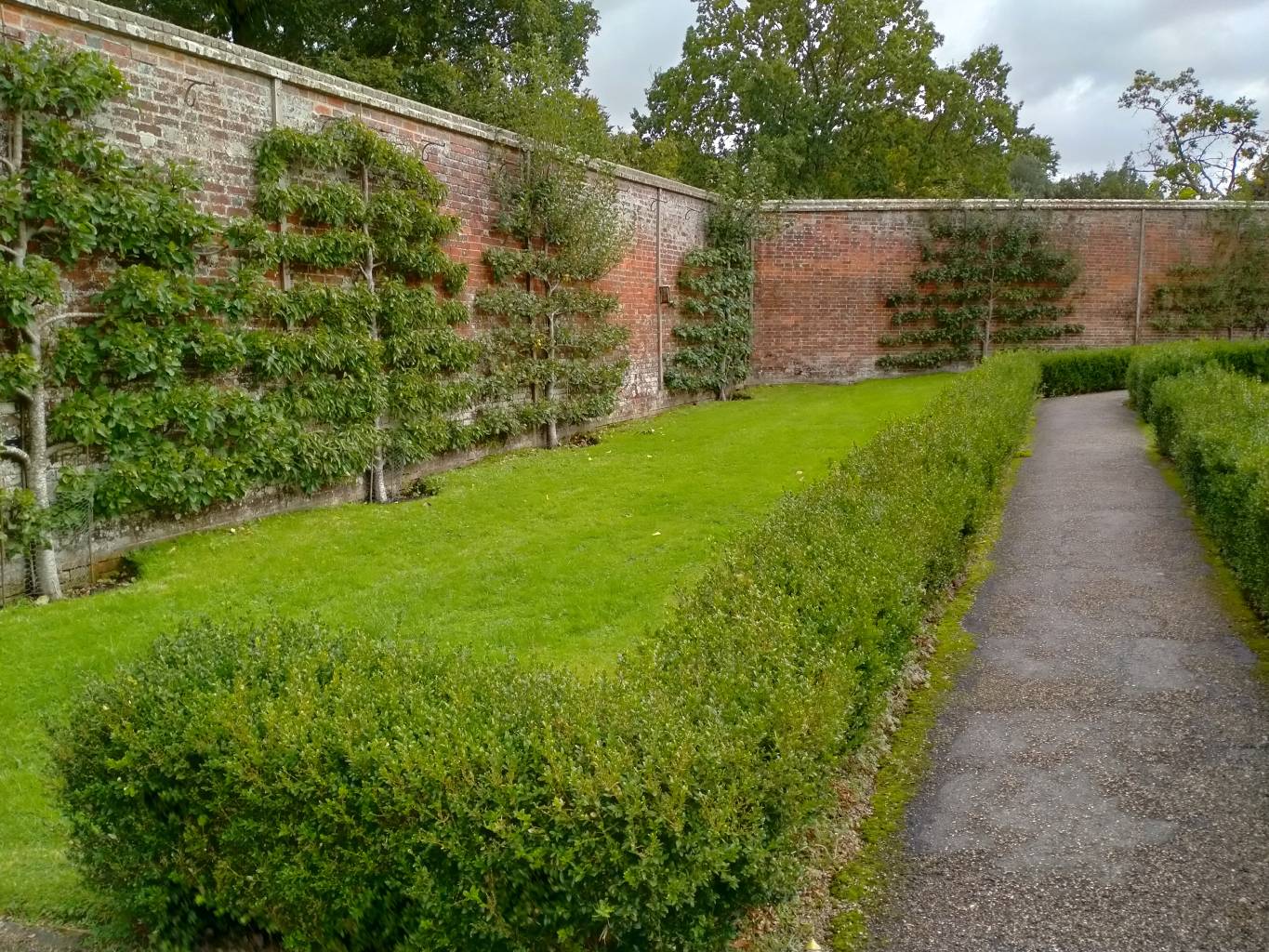
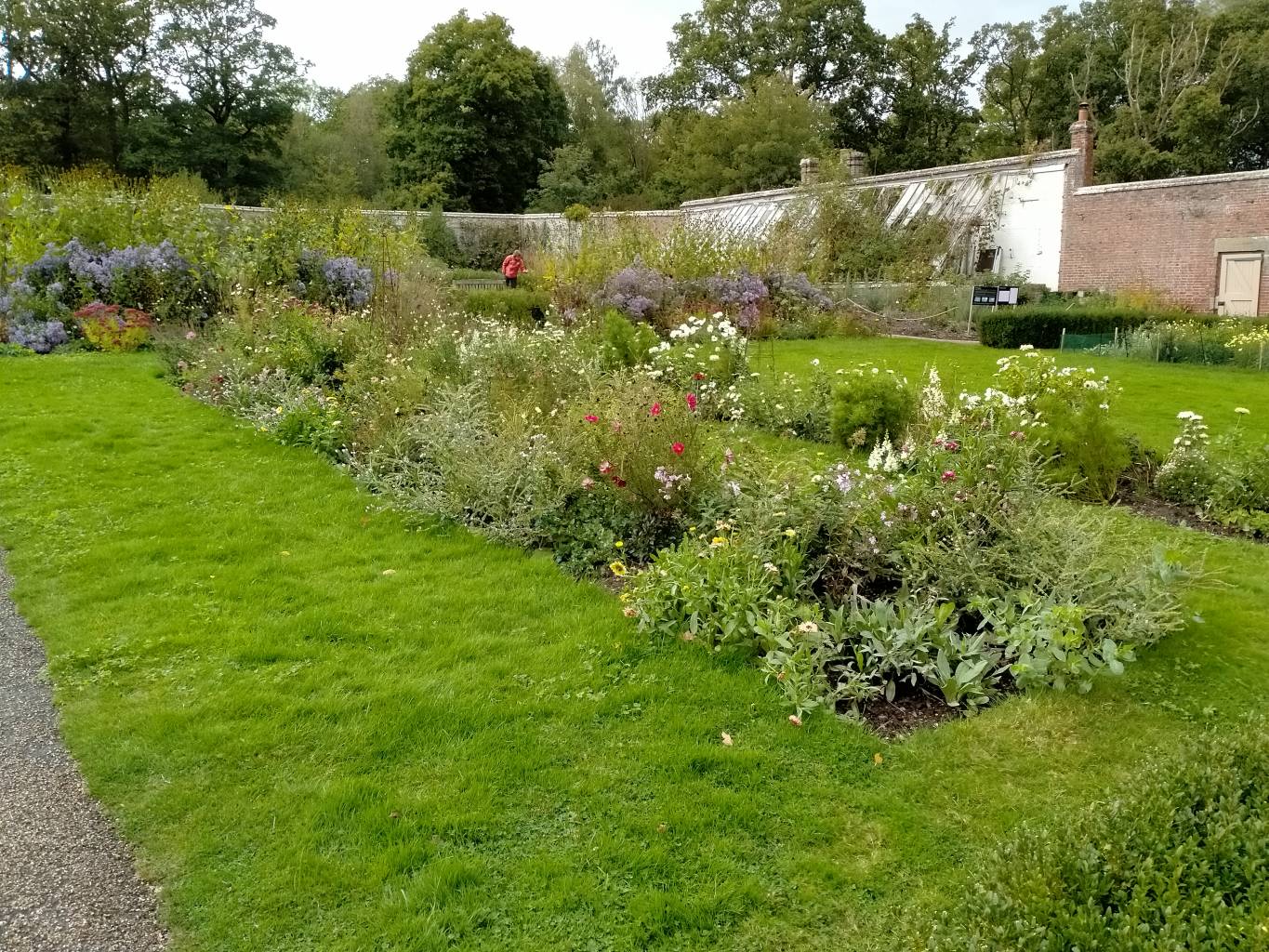
This gives a sense of how a Victorian country estate functioned. You’ll find fruit trees, vegetables, herbs and cut-flower areas, rather than purely ornamental planting.
What makes Scotney special?
Many British castles are either:
- genuine medieval ruins, or
- intact country houses.
Scotney is both. The medieval ruin, Victorian Gothic Revival house, Picturesque landscape, quarry garden, moat and woodland form a single designed composition. It is often regarded as one of the purest surviving expressions of the Picturesque movement, where the entire landscape was intended to look like a living painting.