Málaga
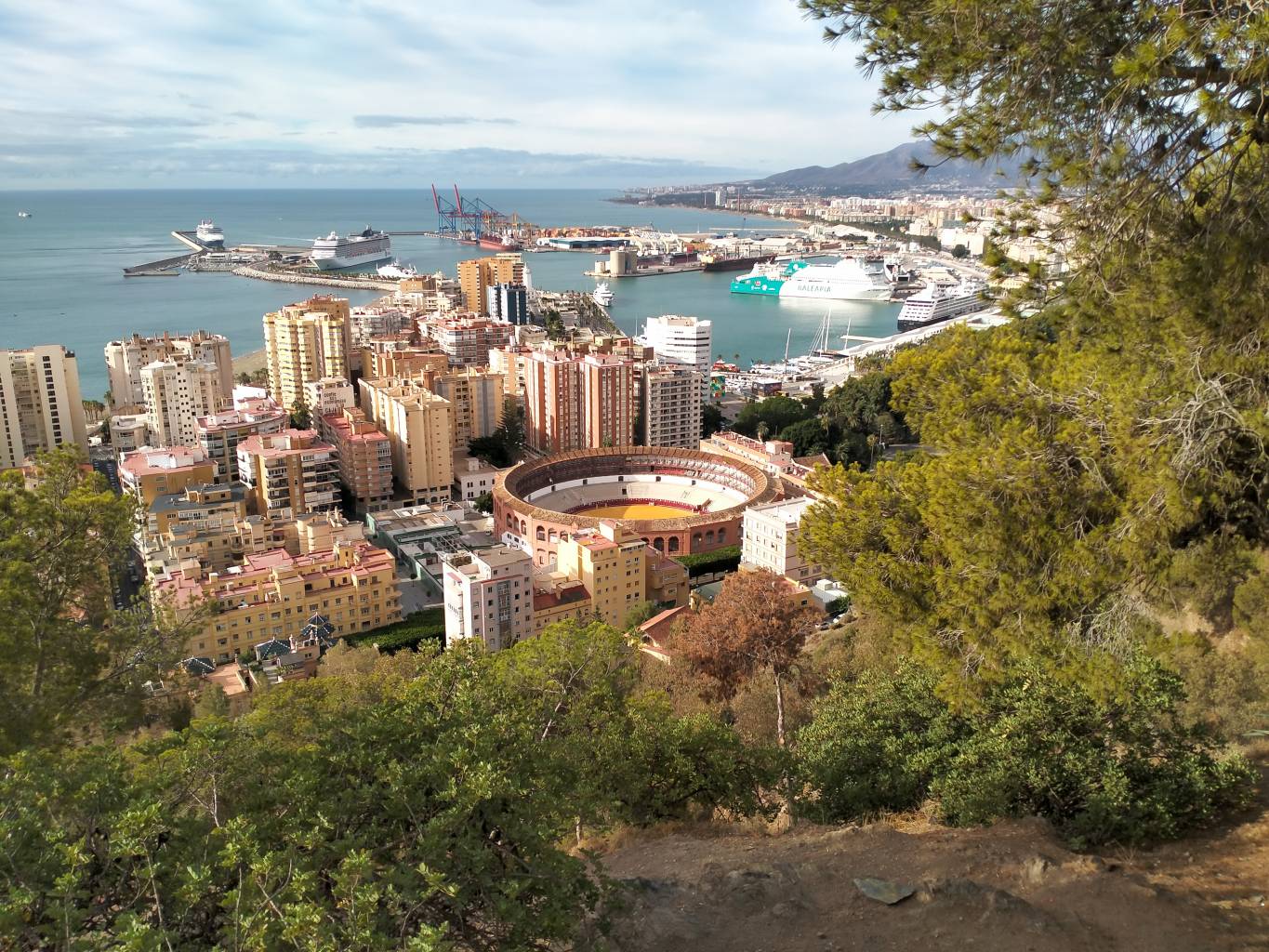
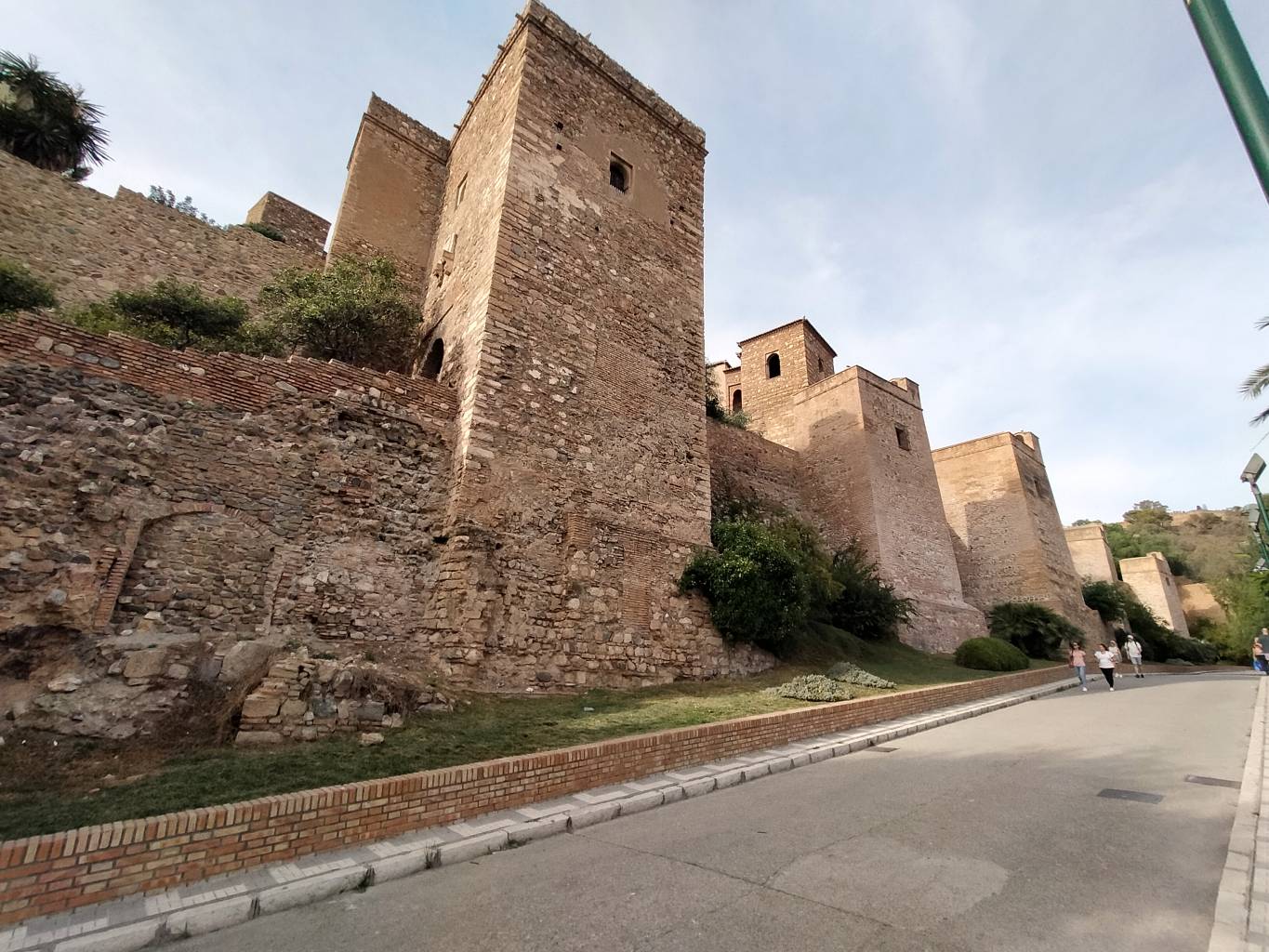
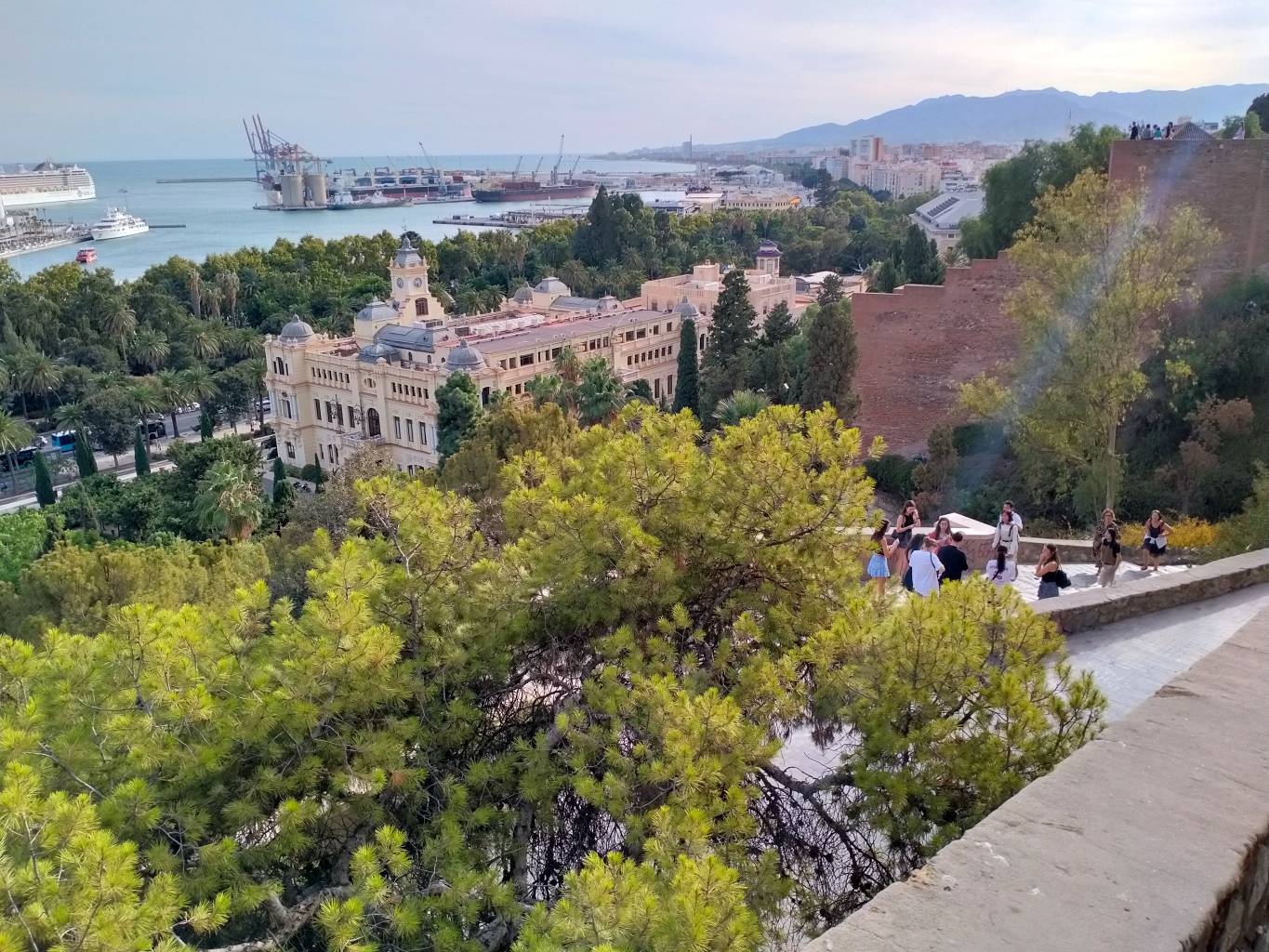
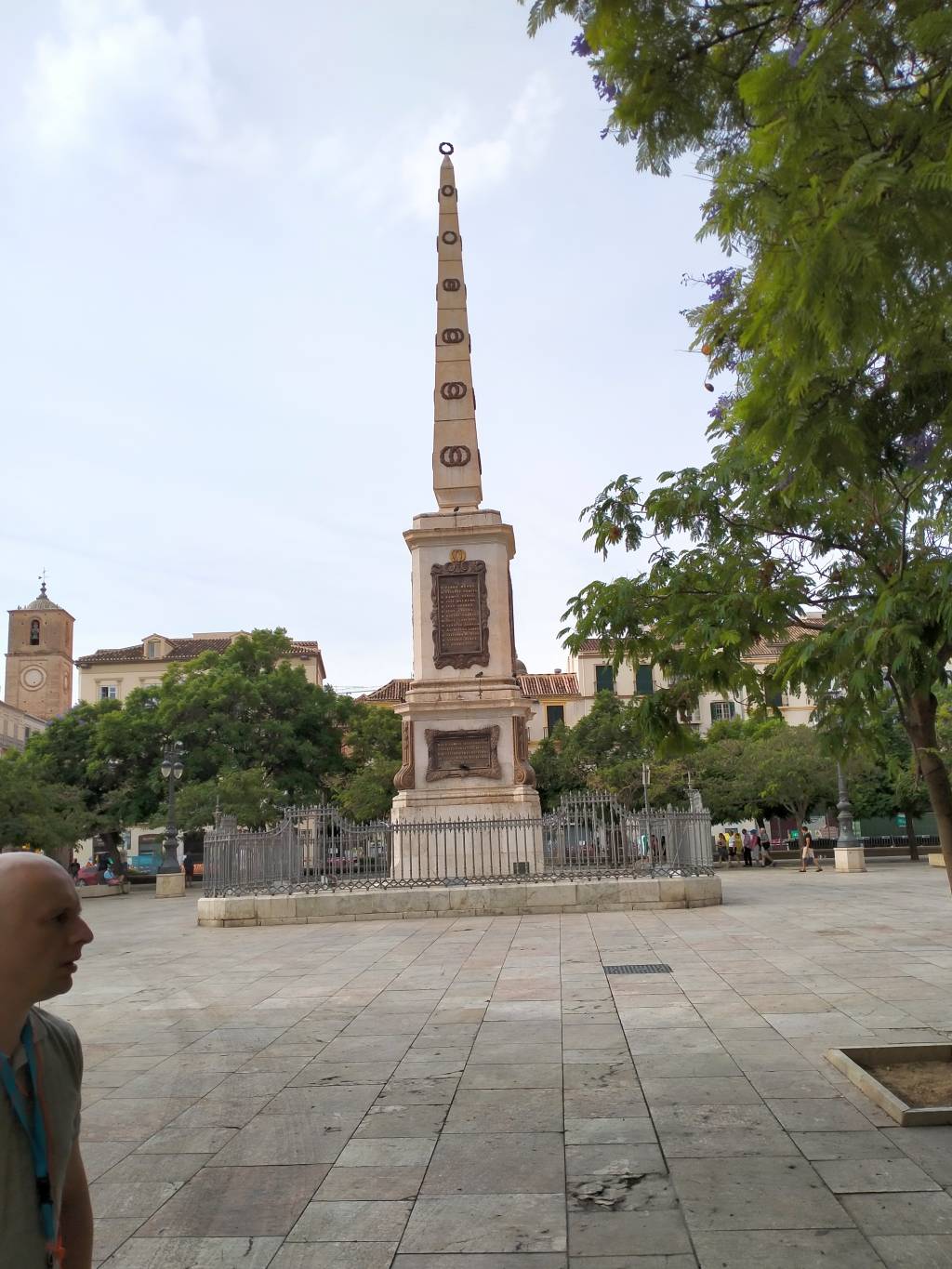
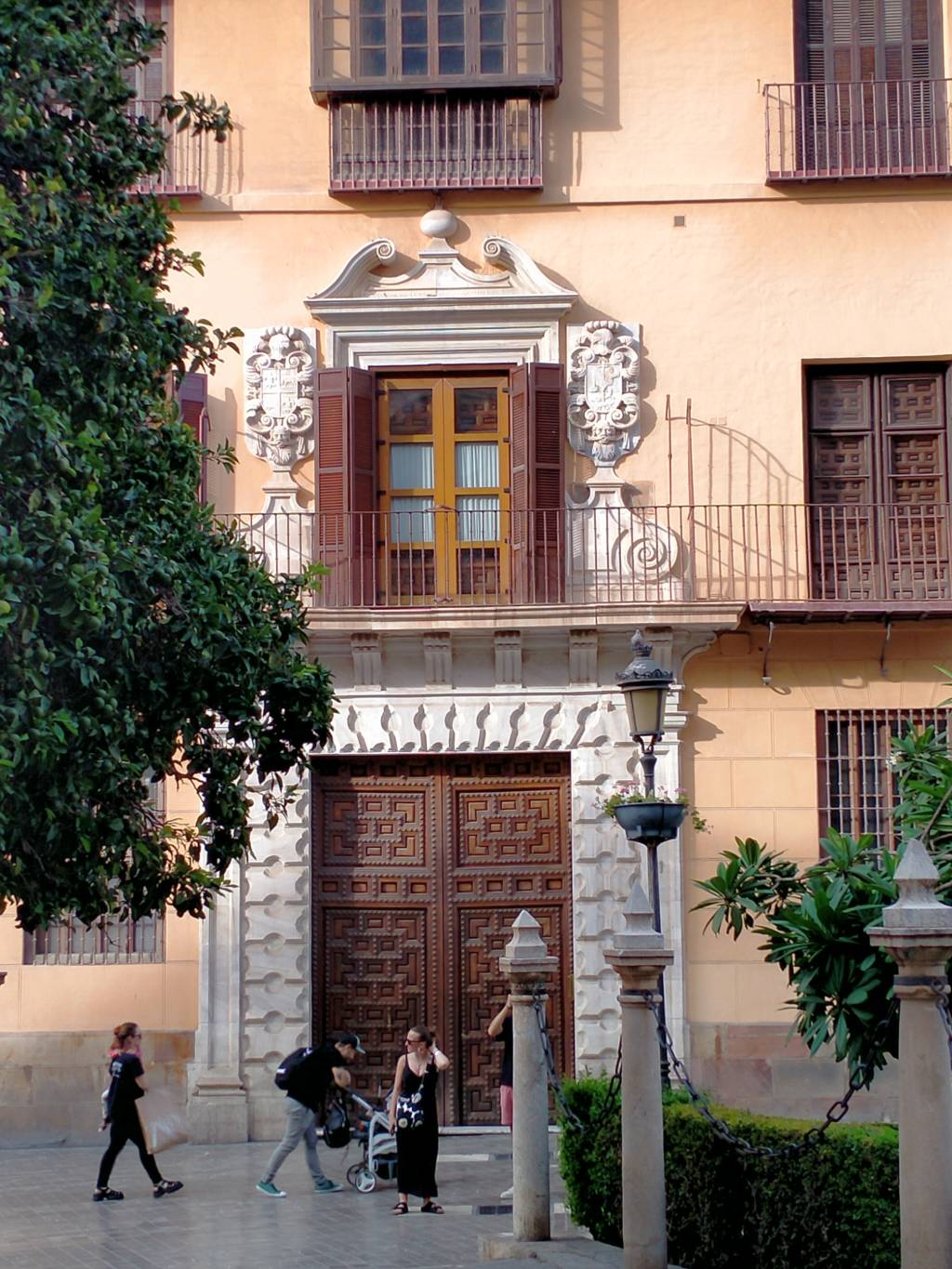
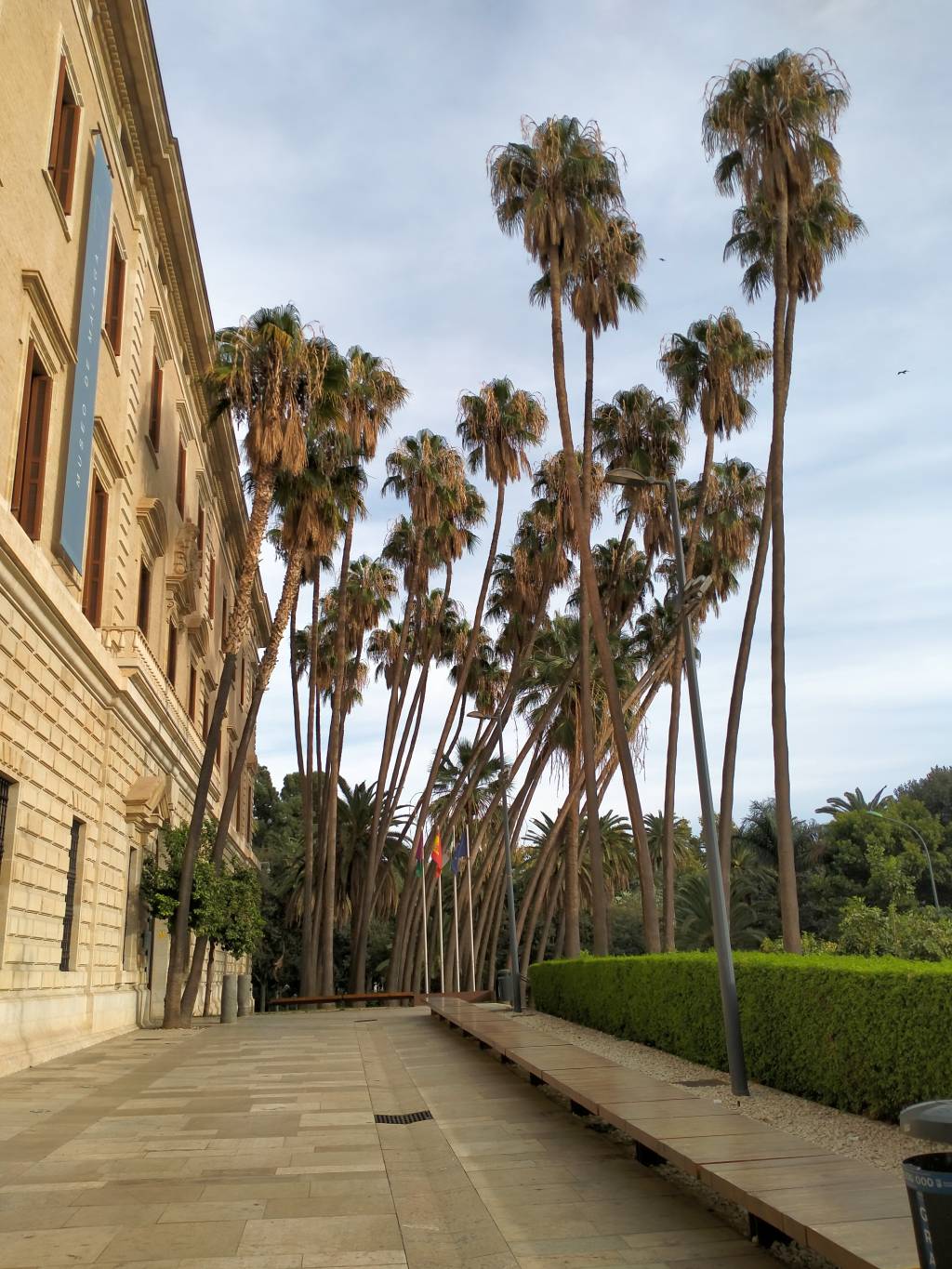
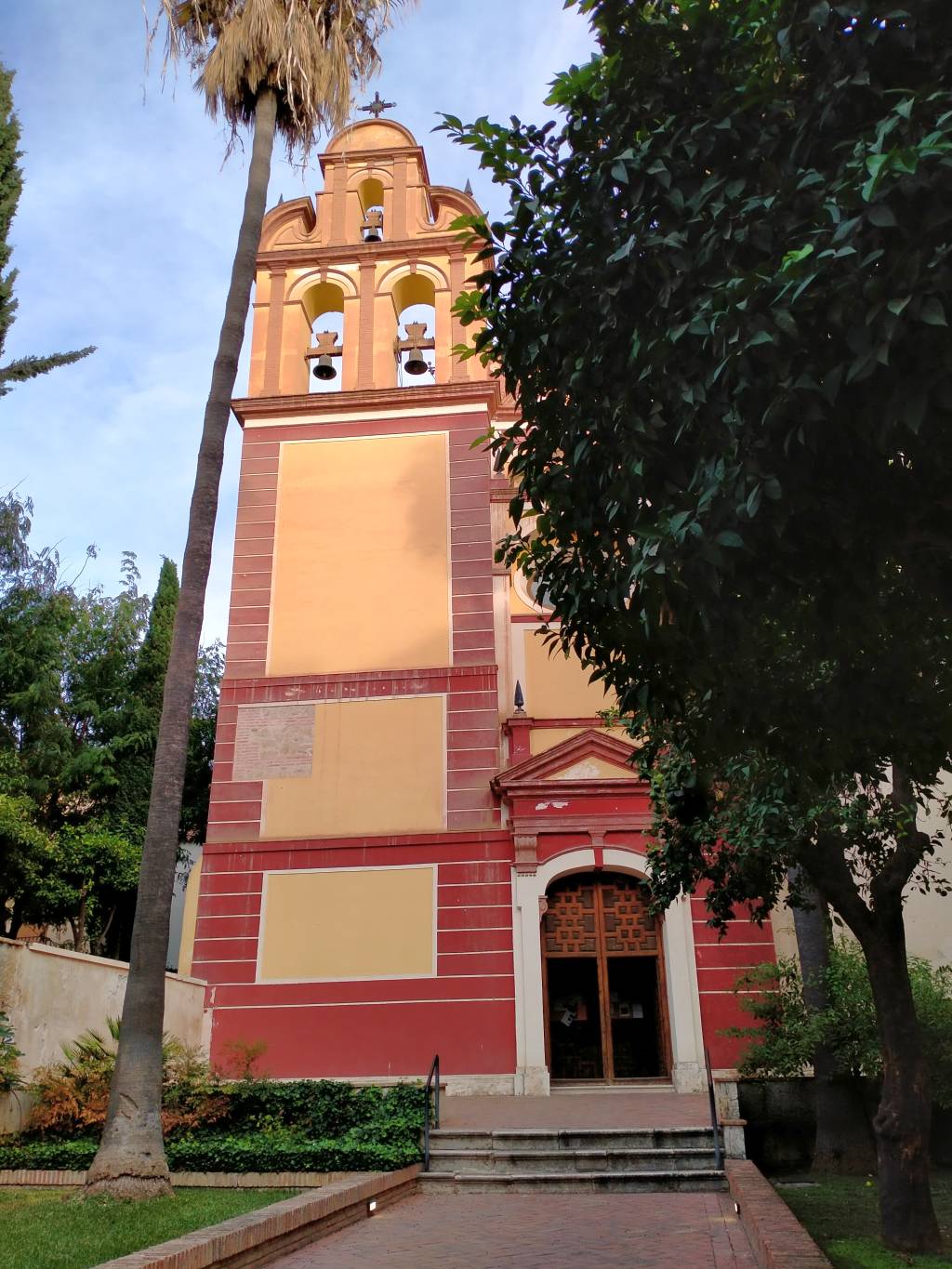
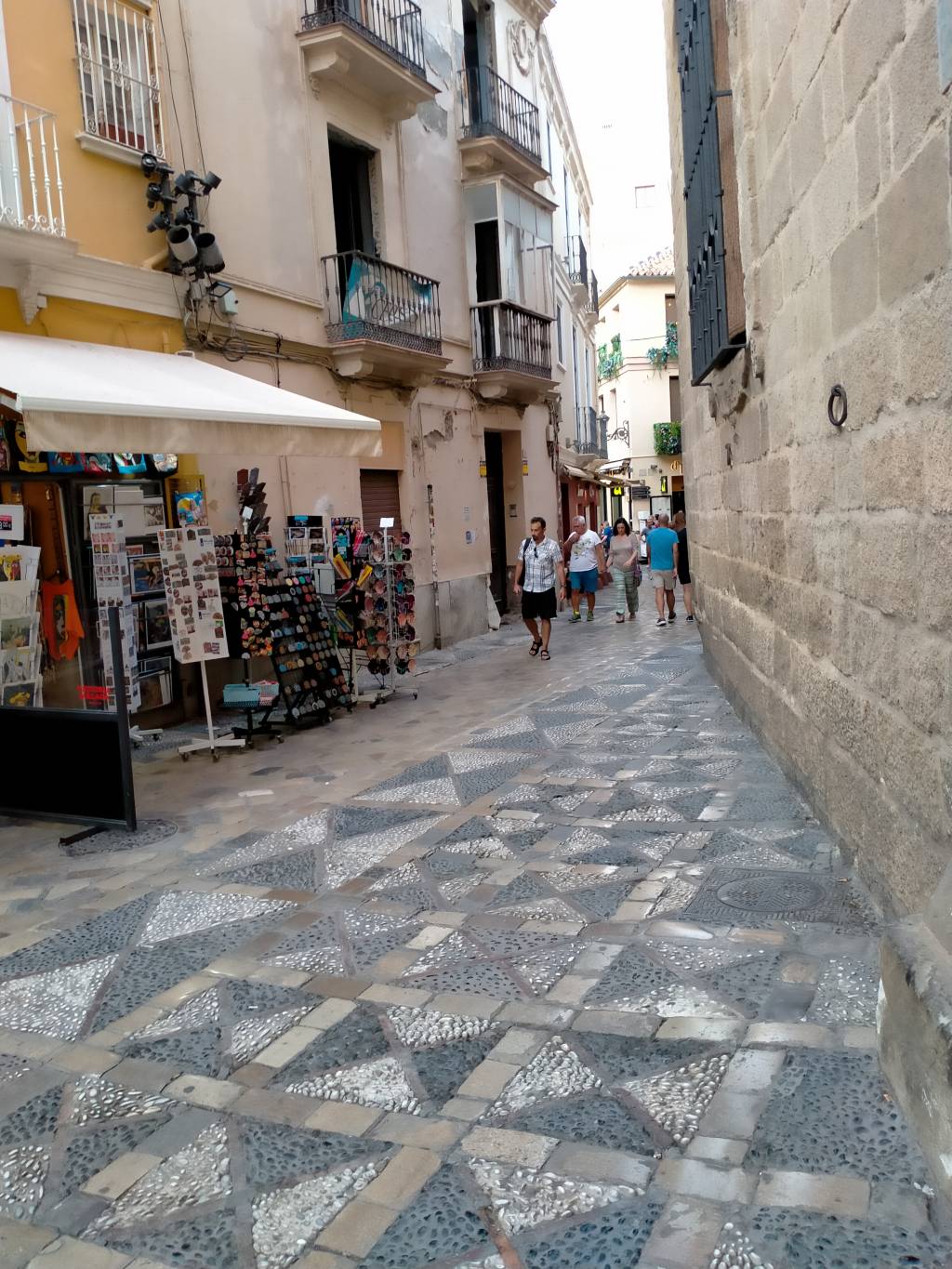
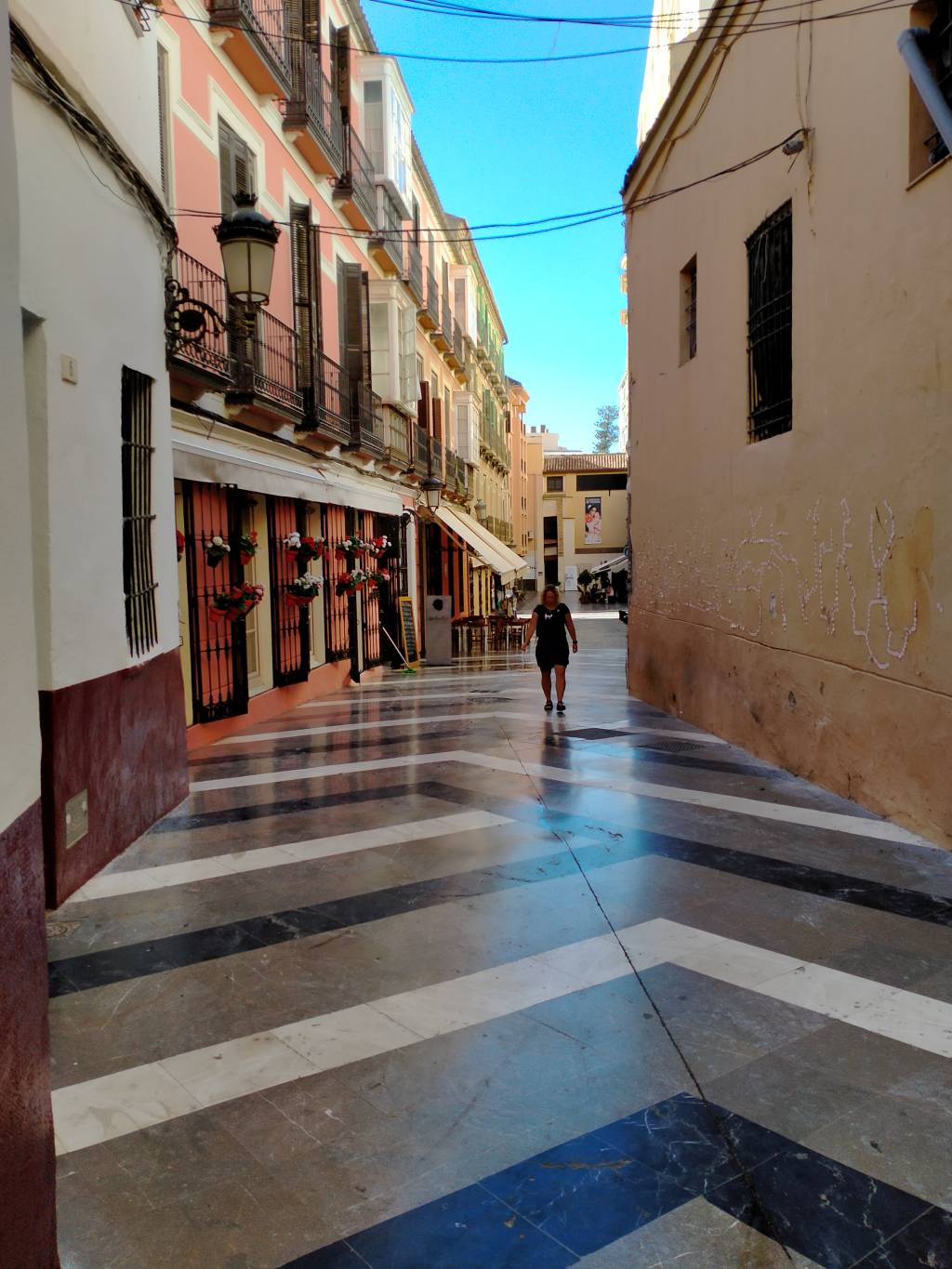
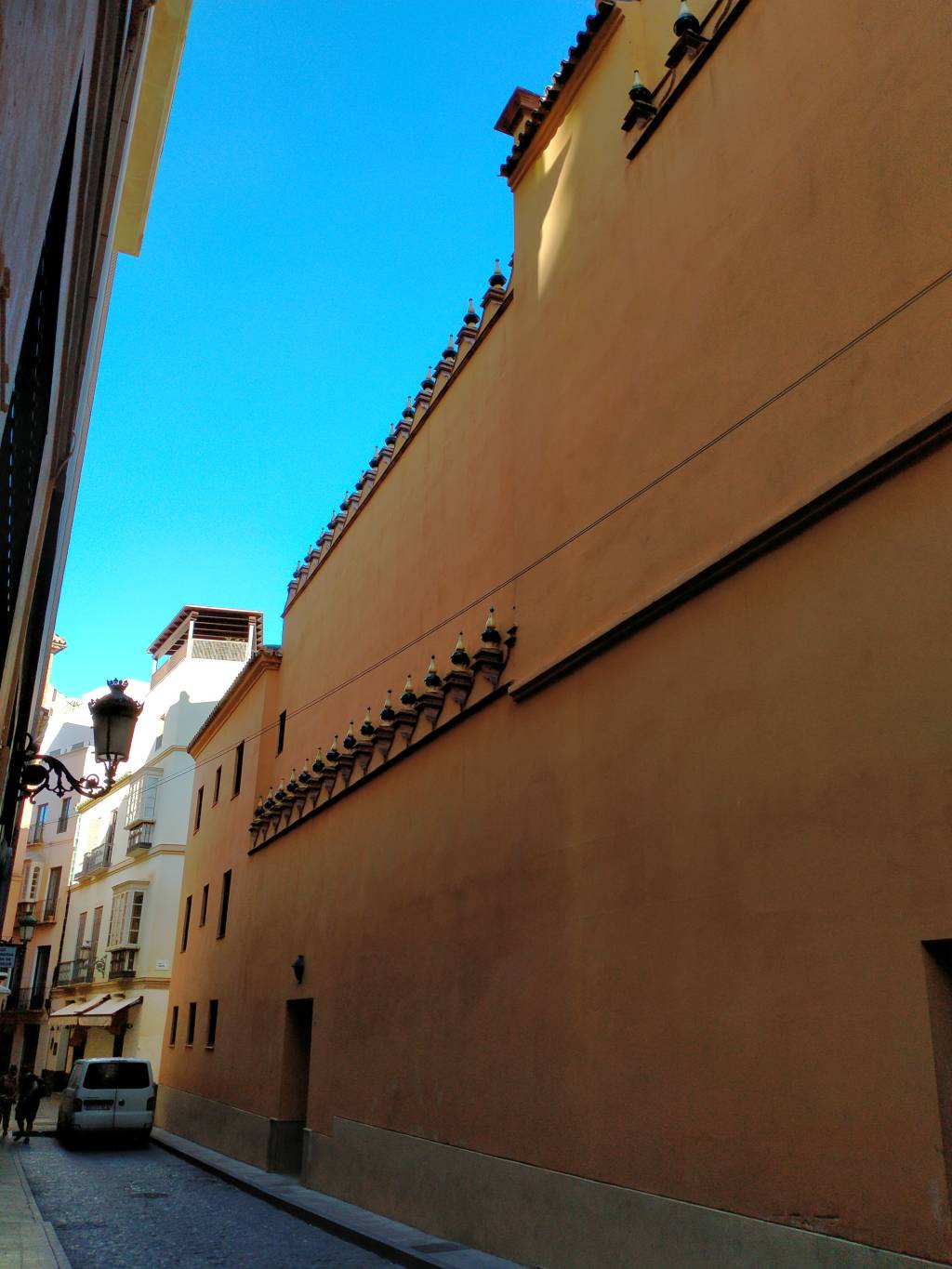
We started in the heart of Málaga, standing at the foot of Mount Gibralfaro where 2,000 years of history unfold in a single view.
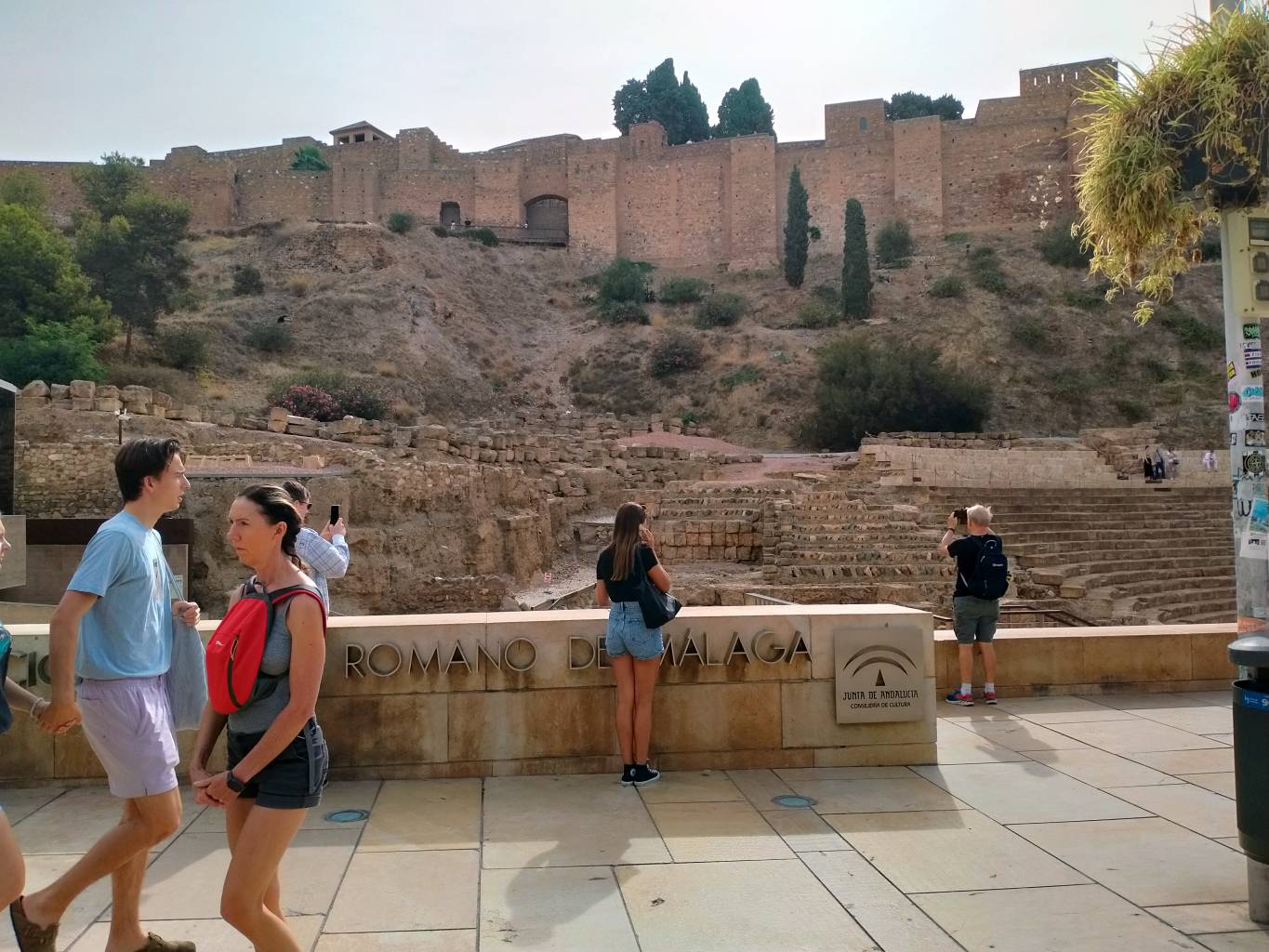
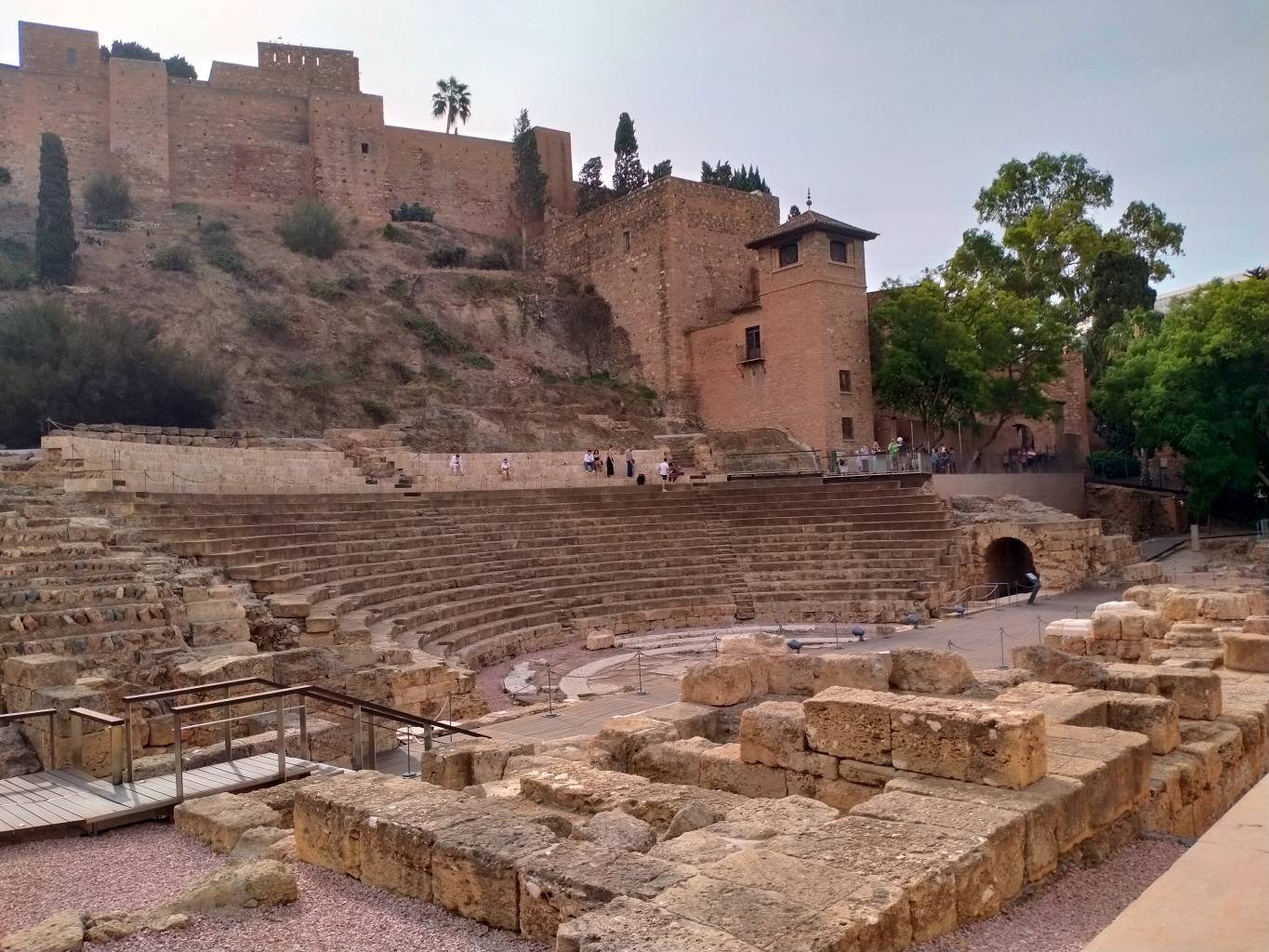
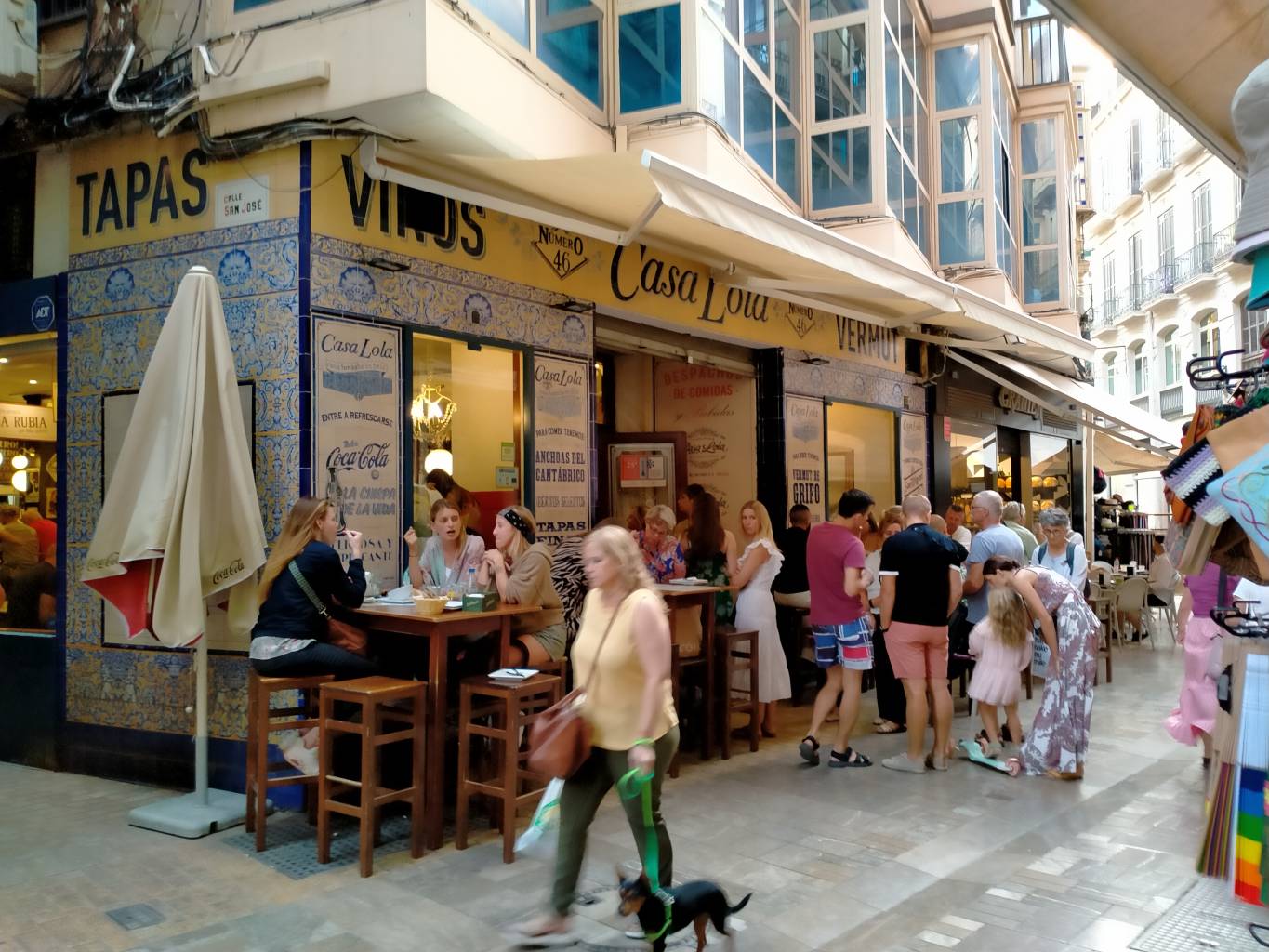
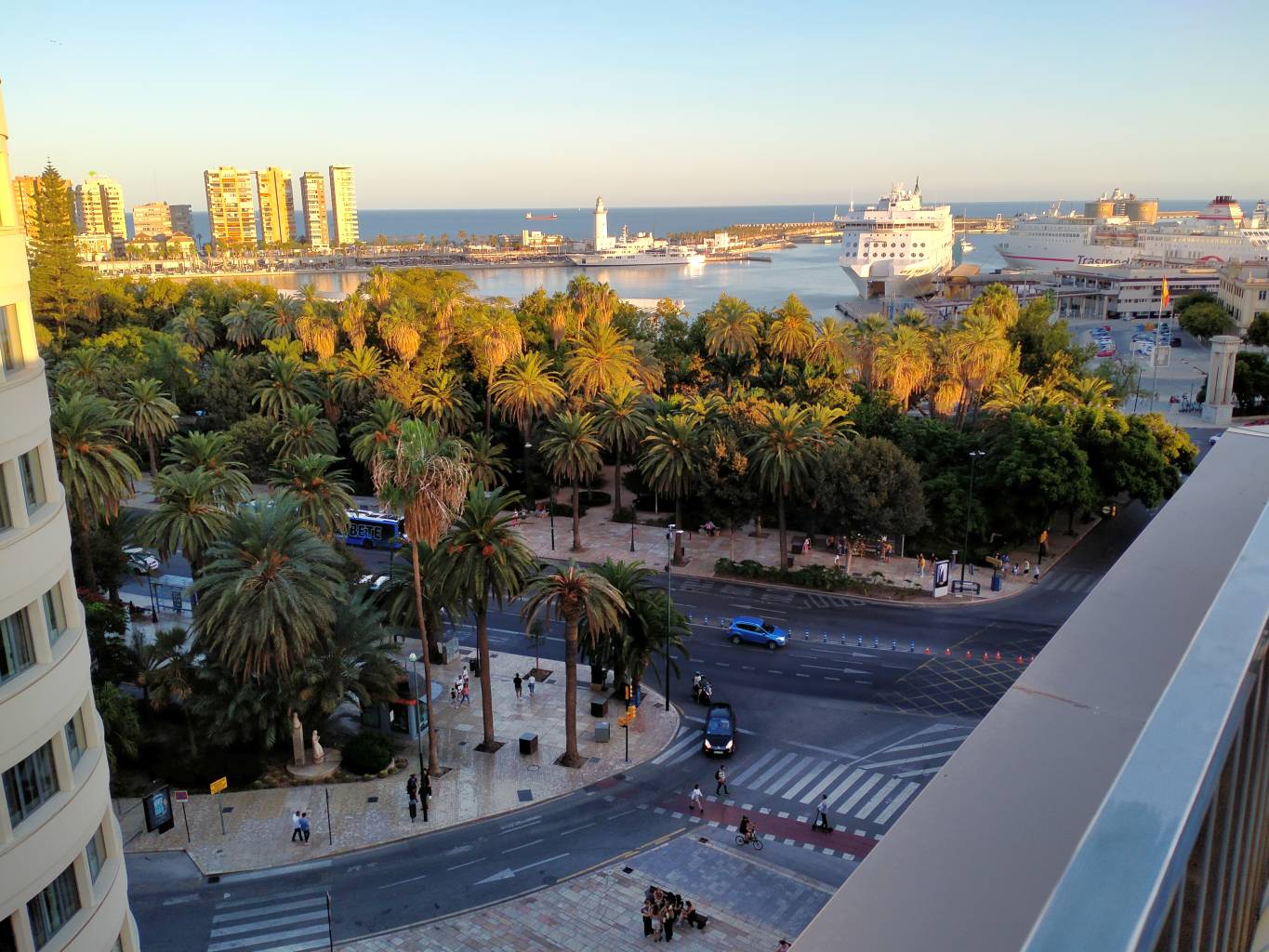
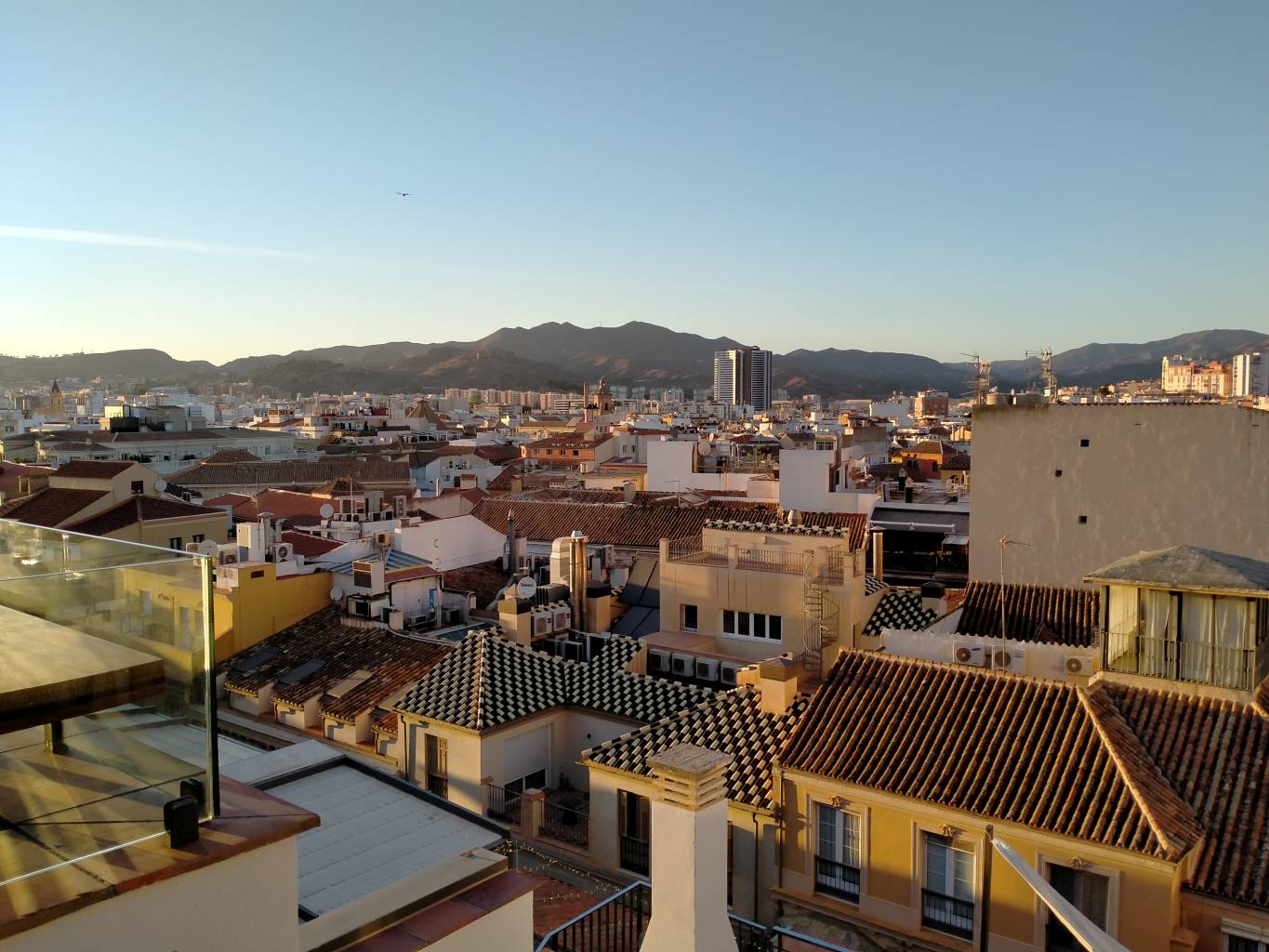
The Roman Theatre (Teatro Romano): Built under Emperor Augustus in the 1st century BC, sitting practically under the fortress walls.
The Alcazaba: A 11th-century Moorish palace-fortress filled with peaceful courtyards, horseshoe arches, and gardens (fun fact: the Moors actually repurposed Roman columns to build its gateways).
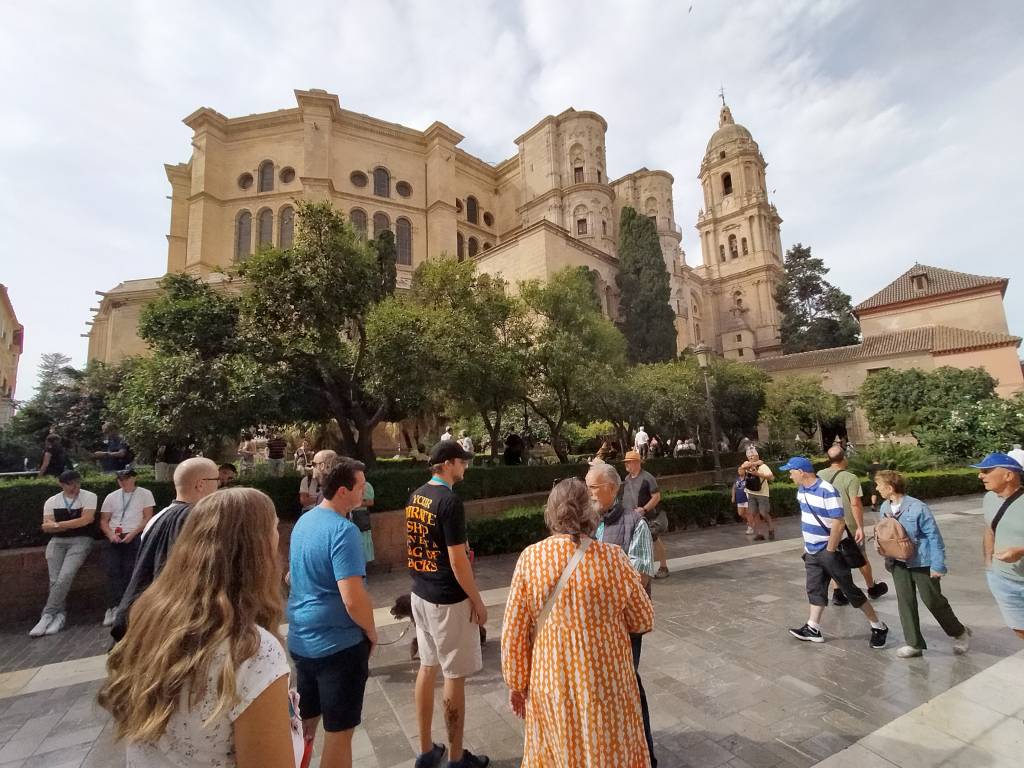
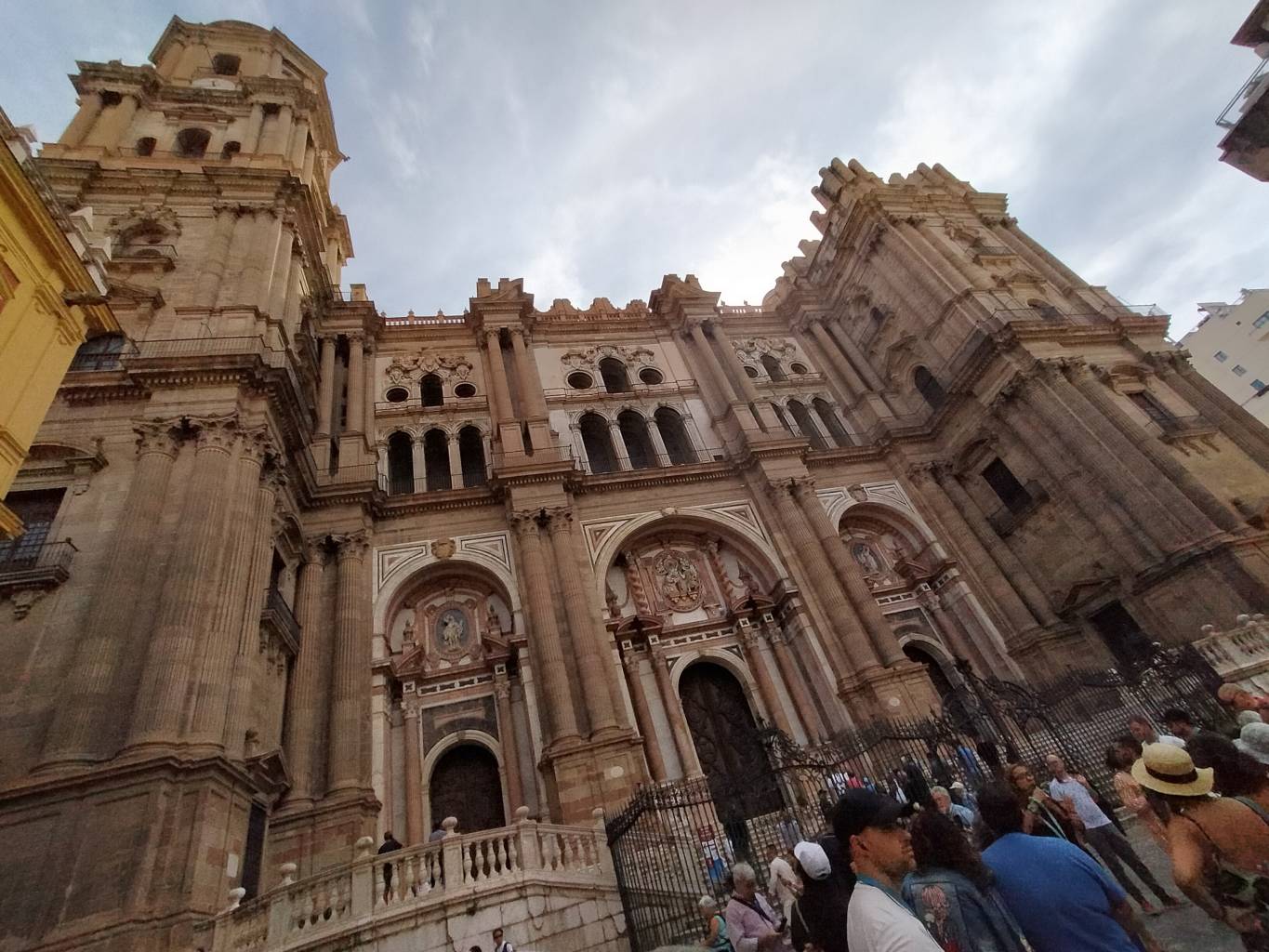
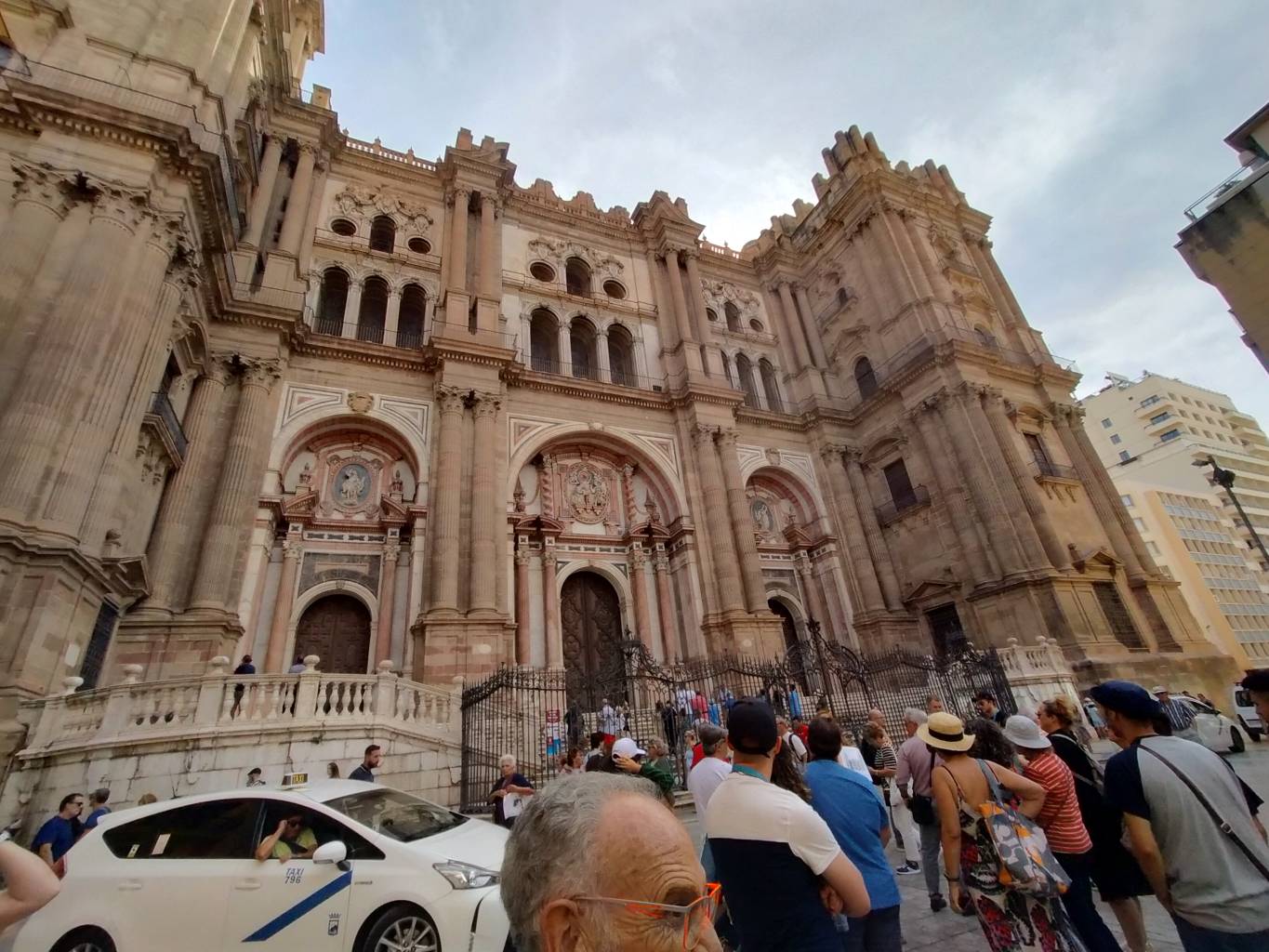
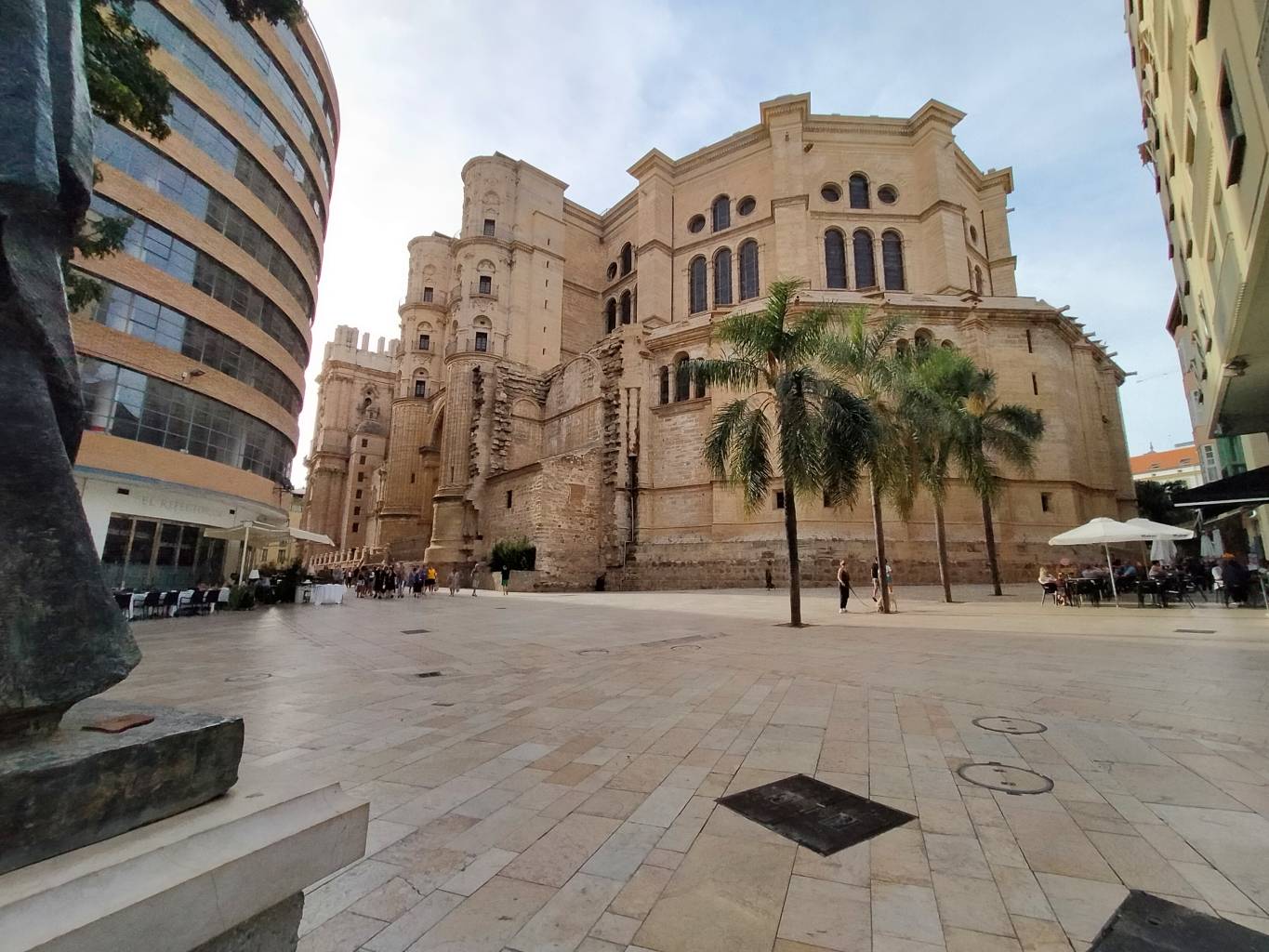
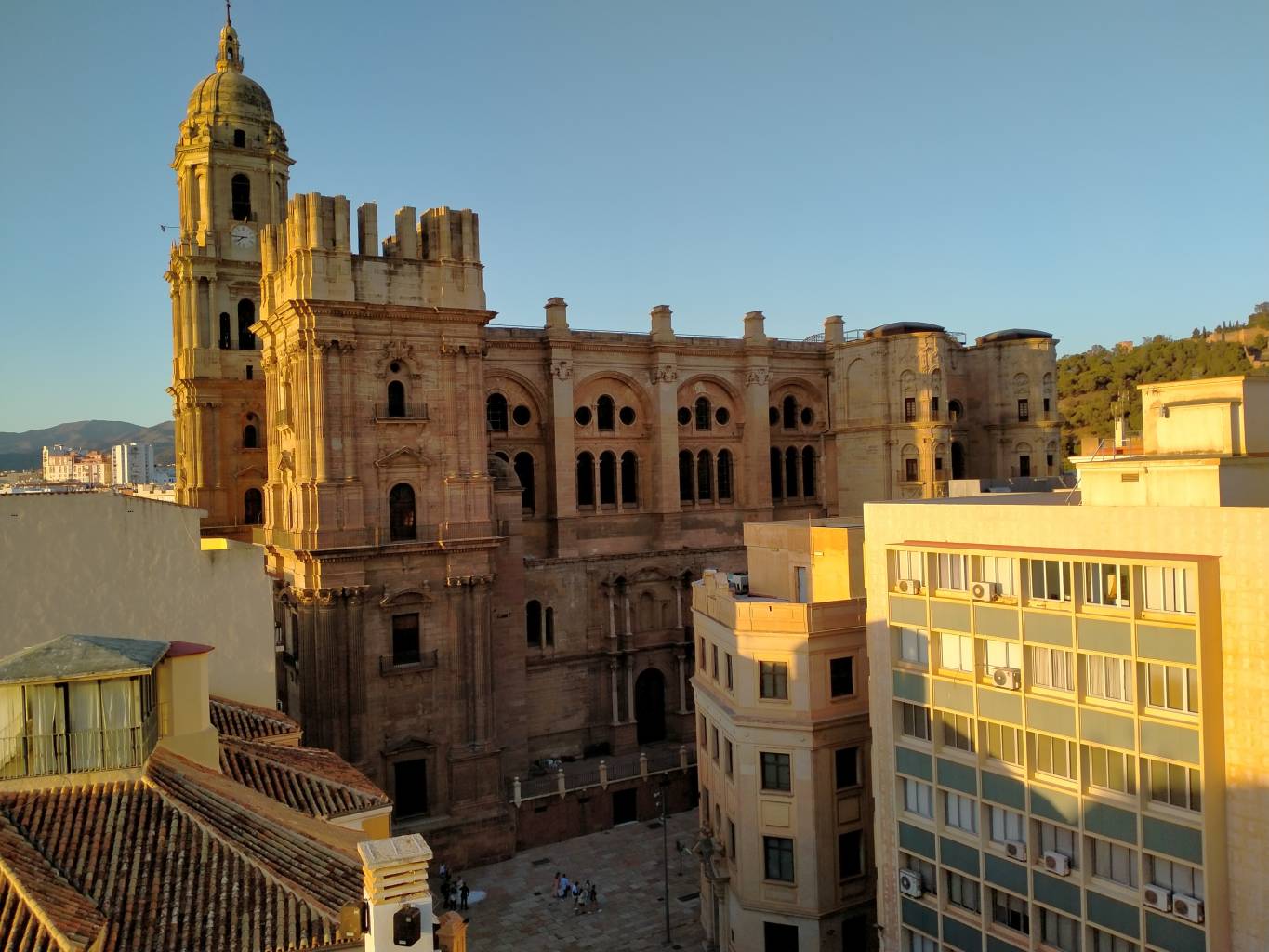
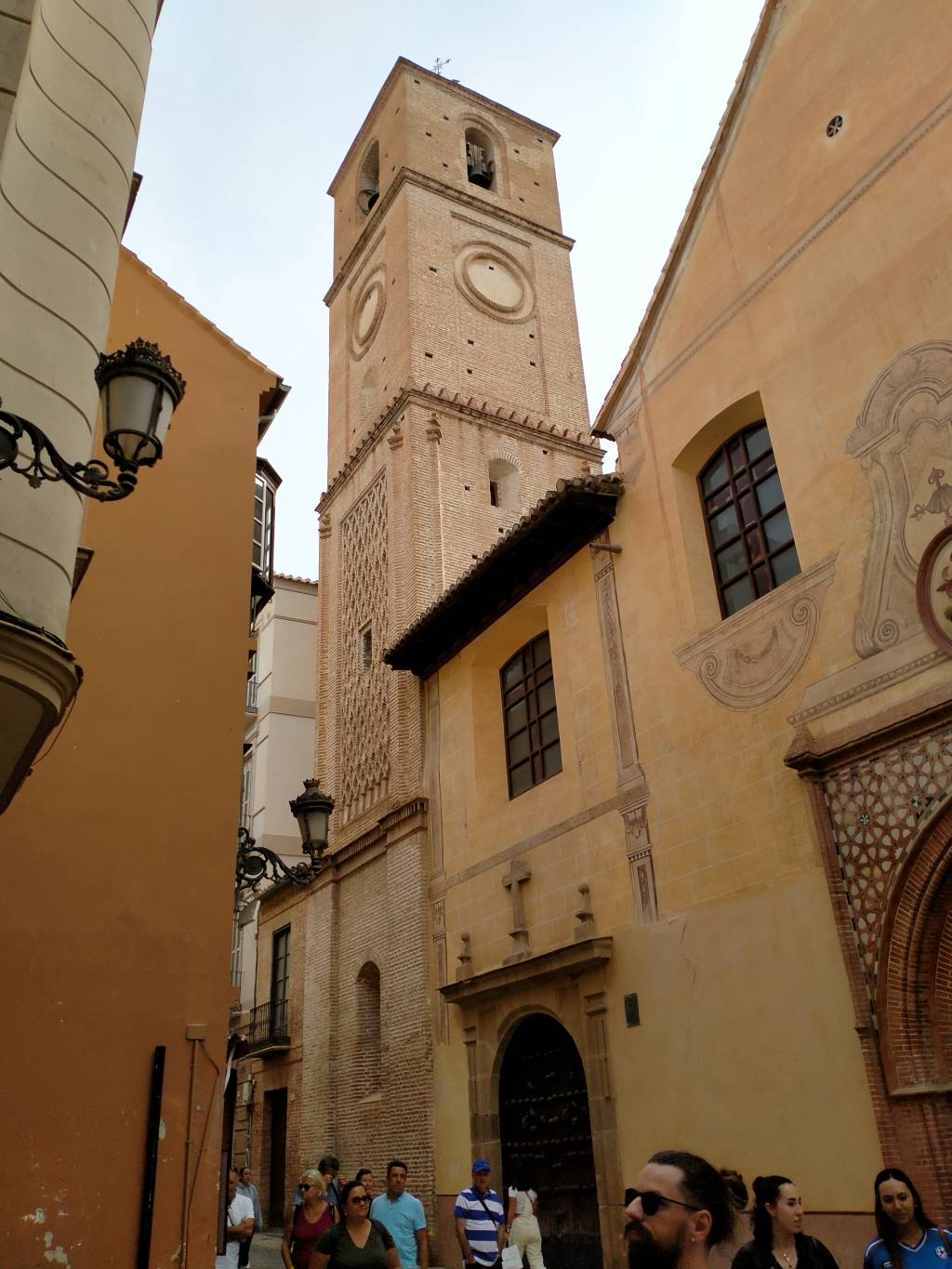
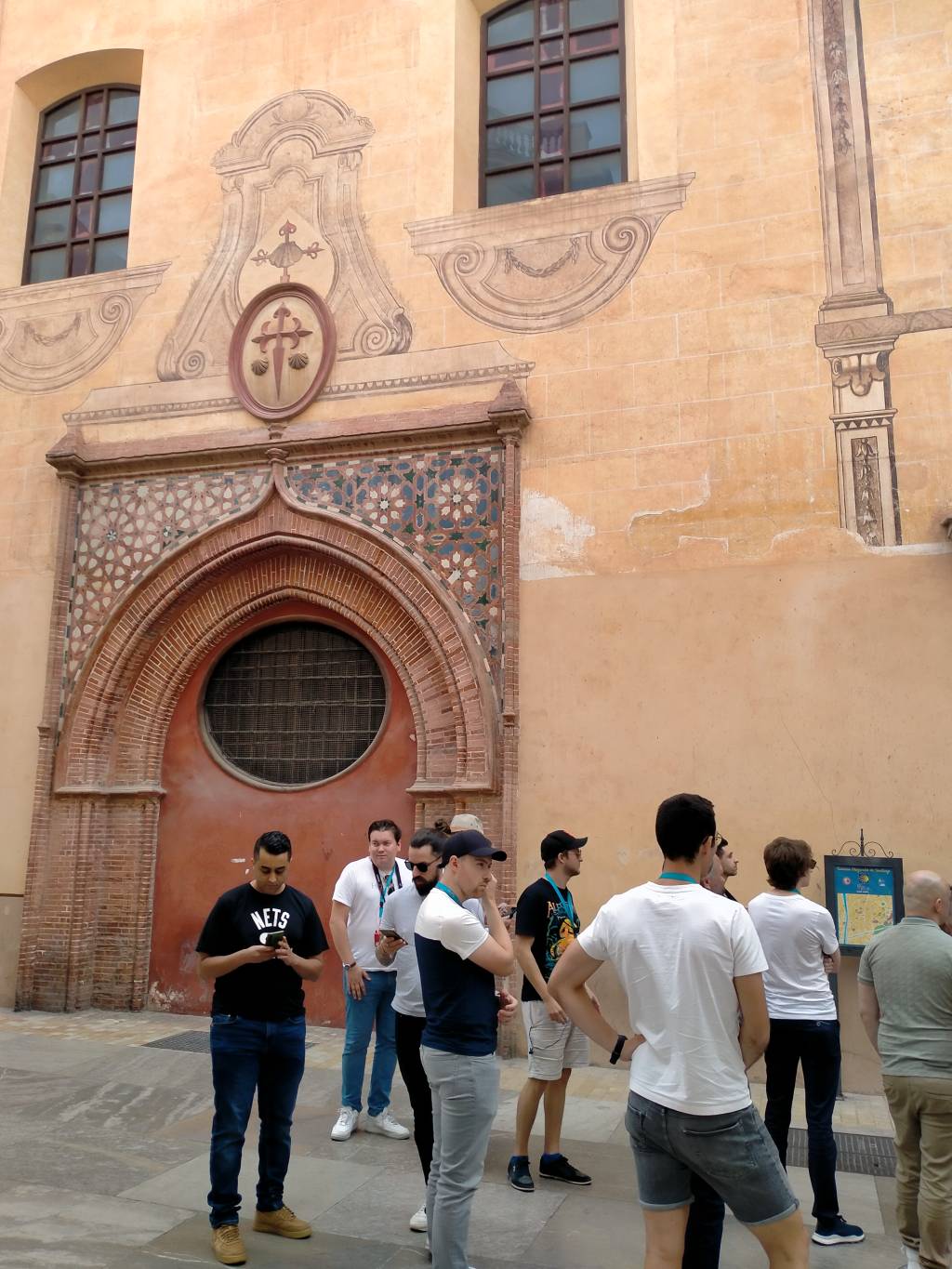
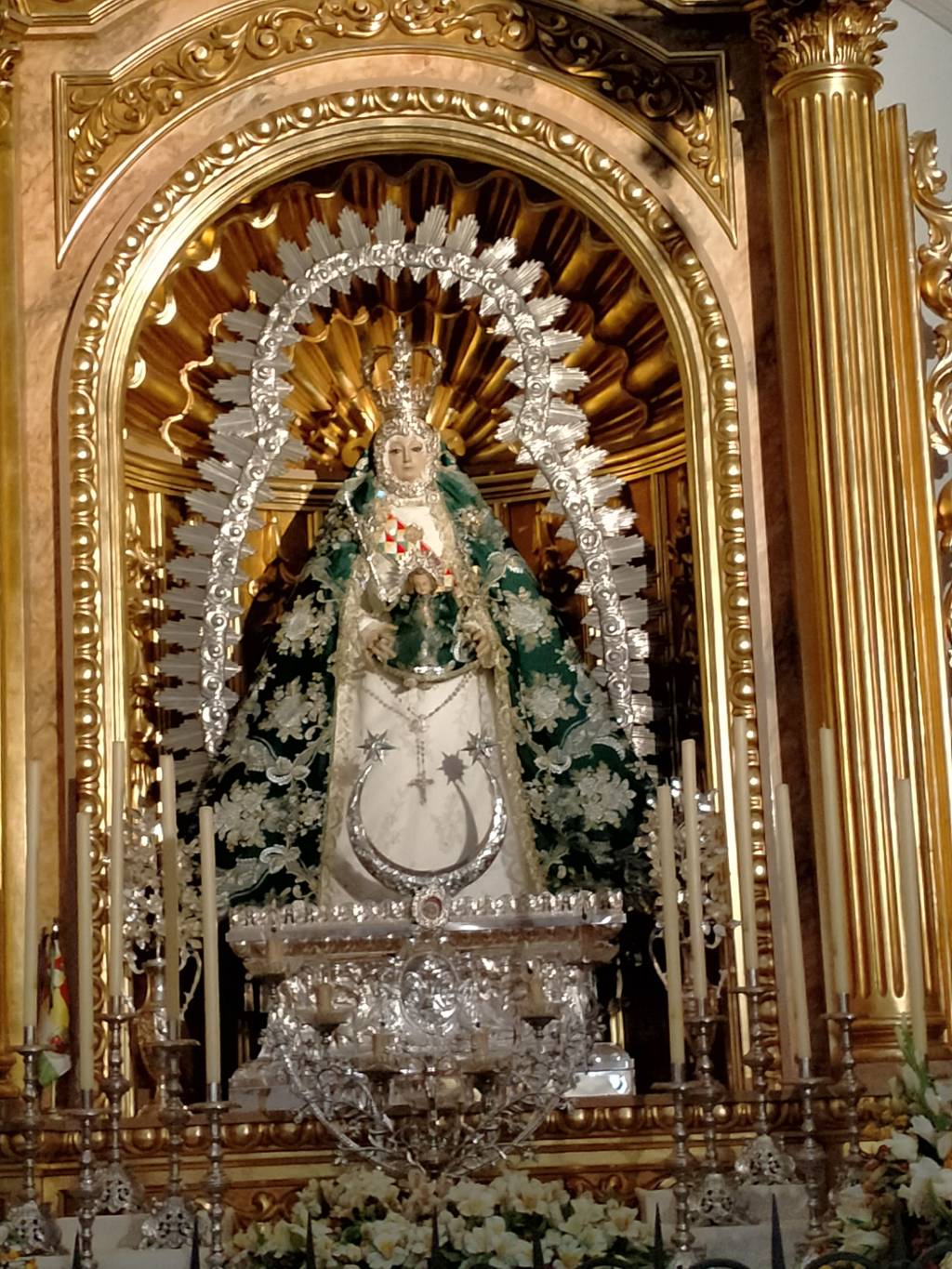
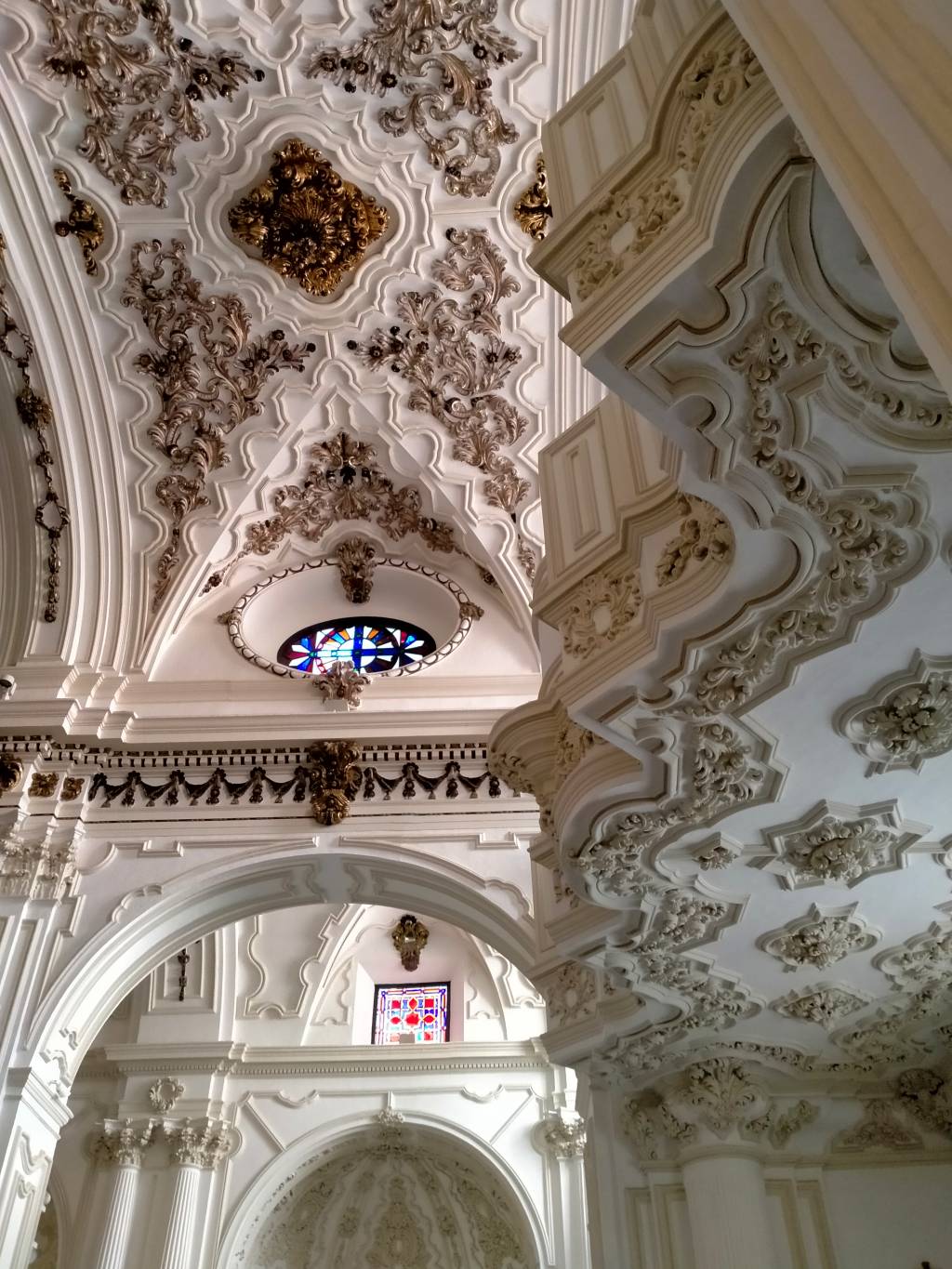
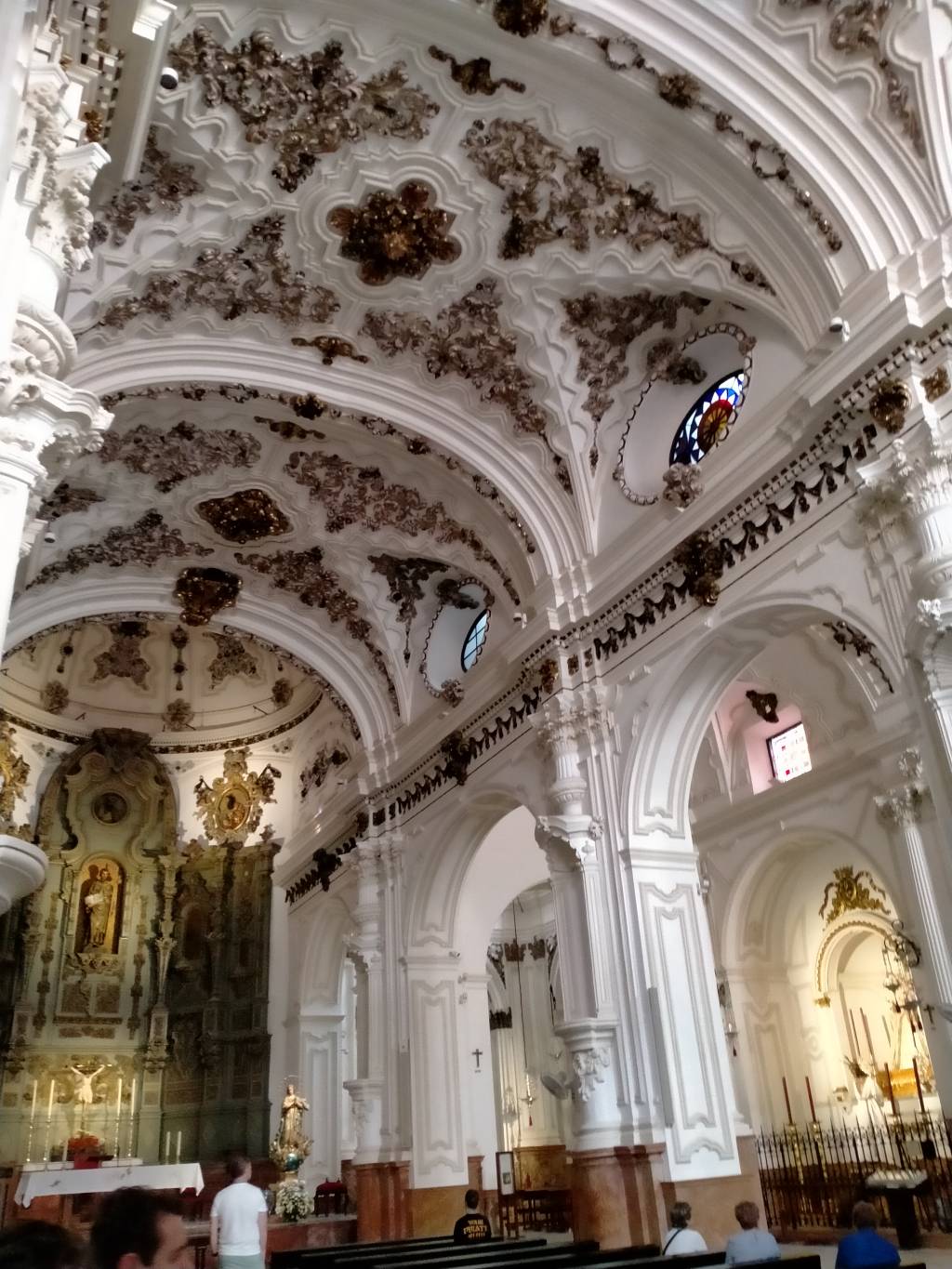
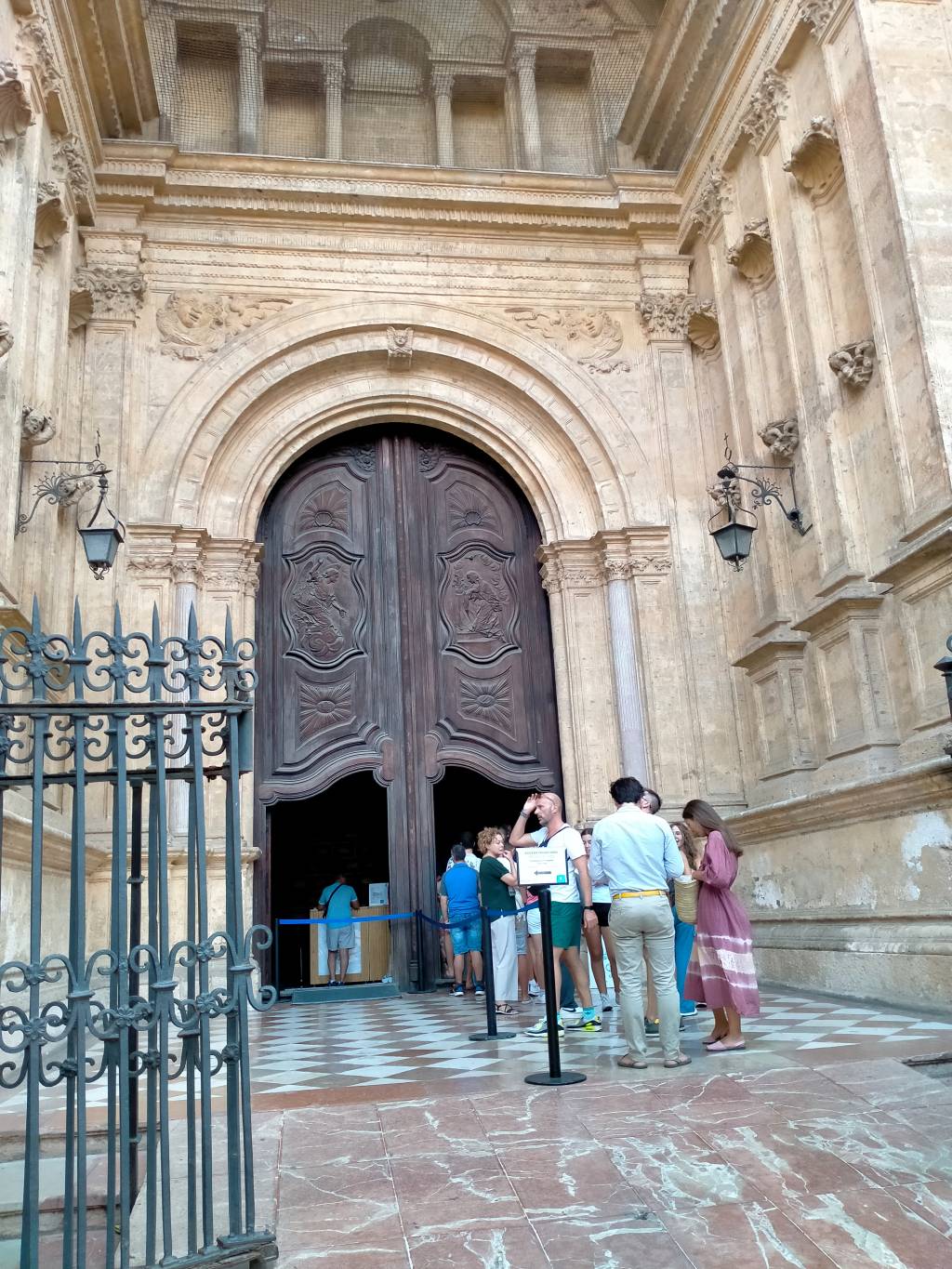
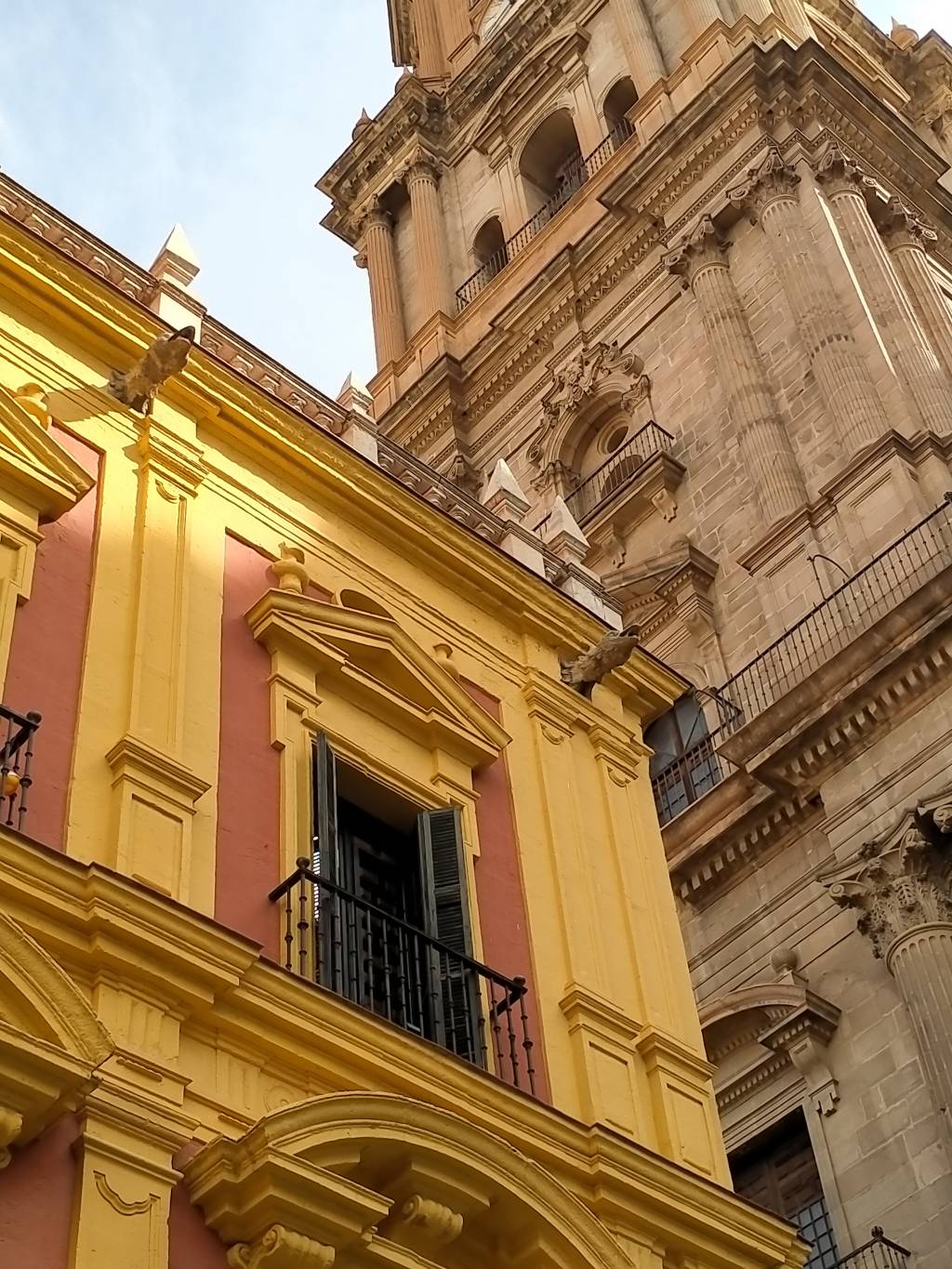
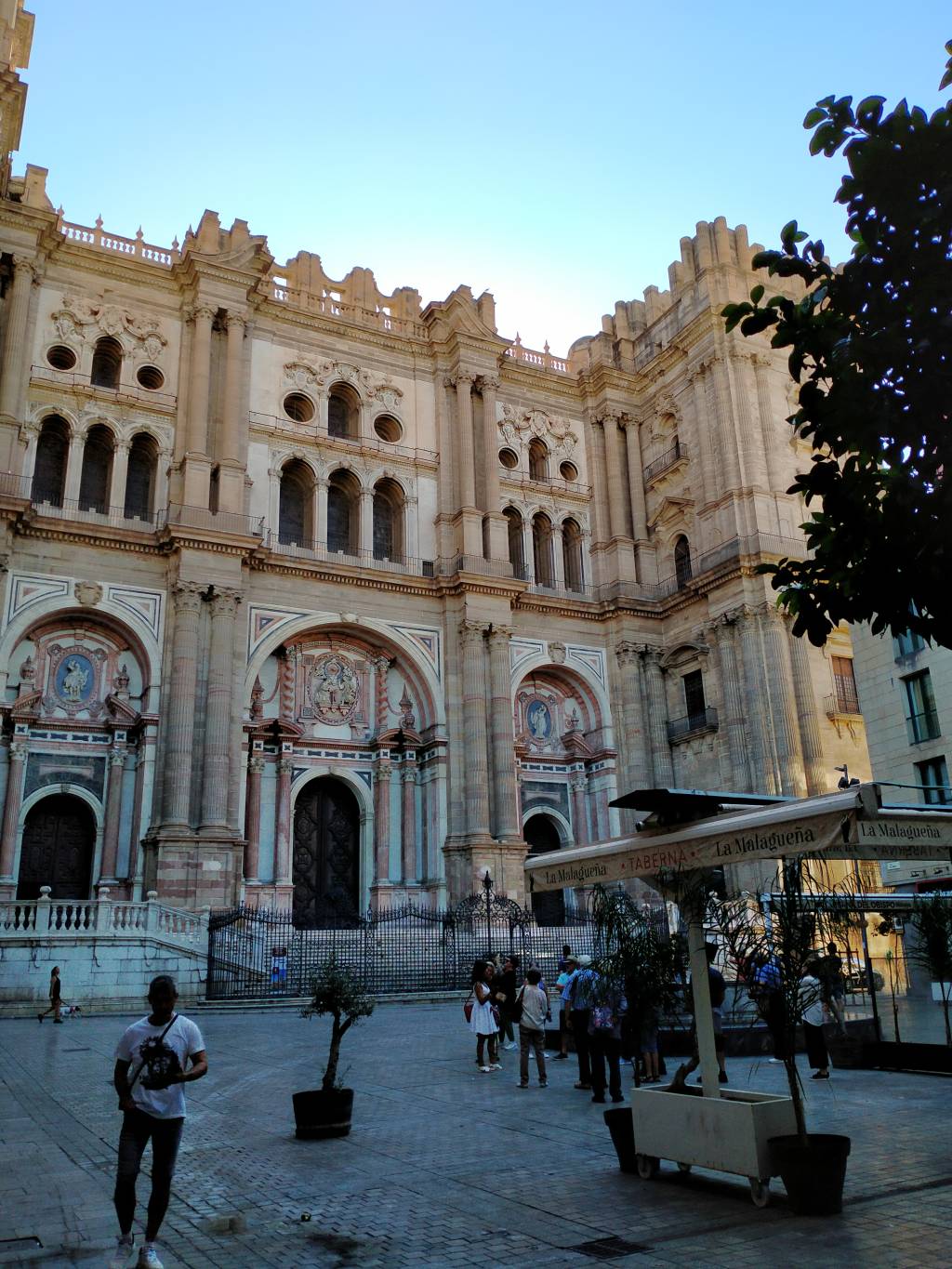
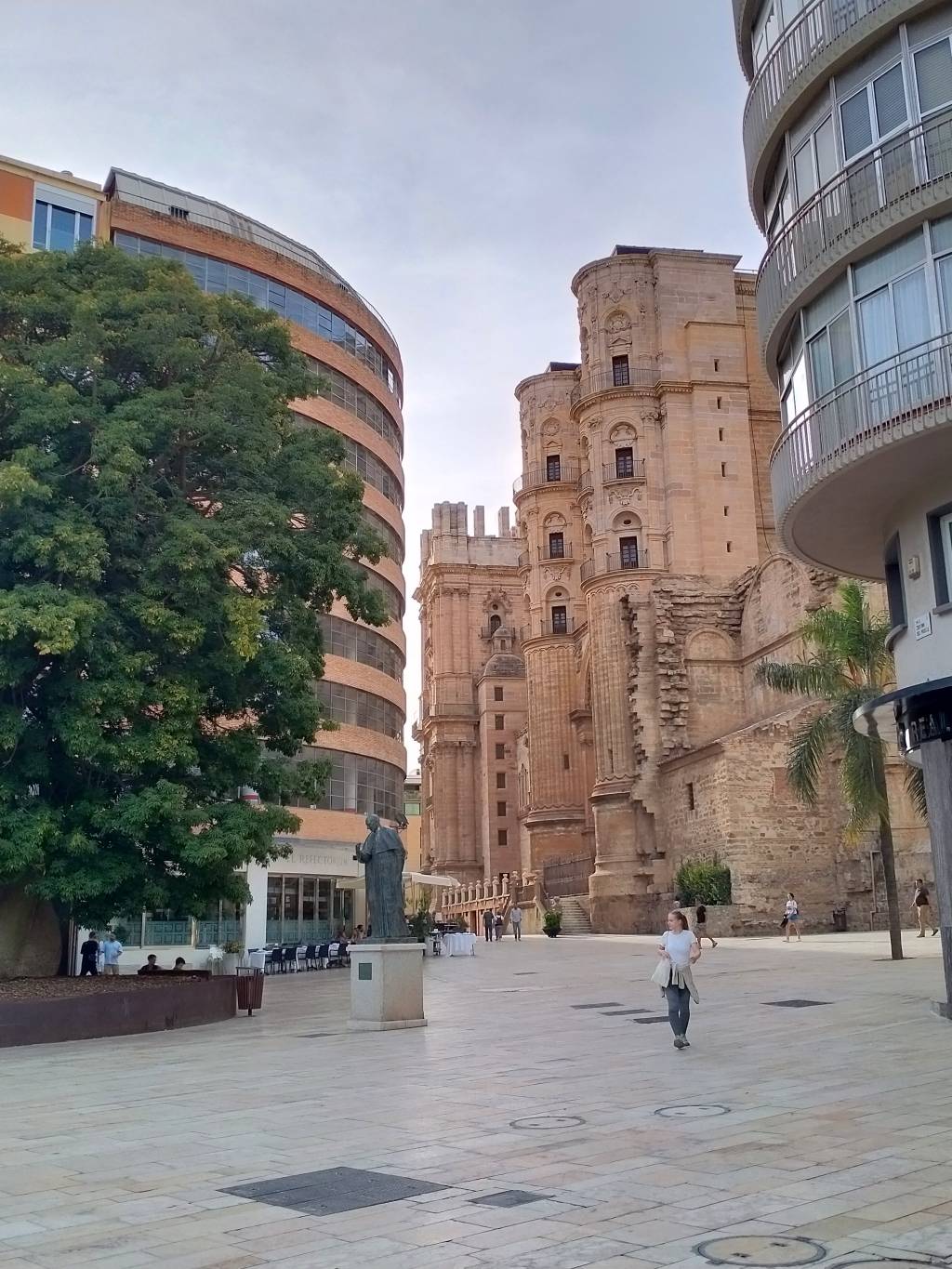
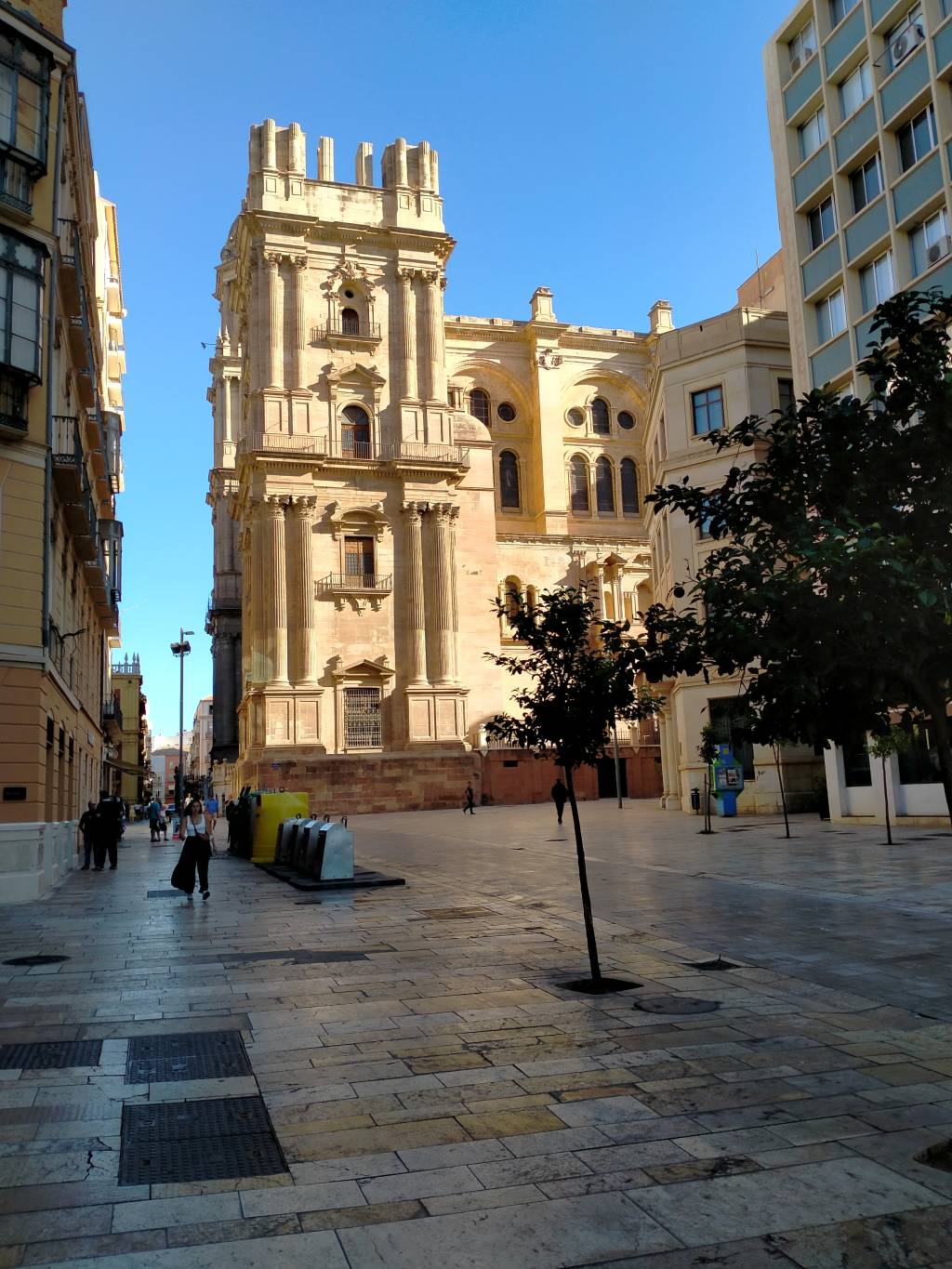
Málaga Cathedral (La Manquita): The grand Renaissance church nicknamed “The One-Armed Lady” because its second tower was never finished.
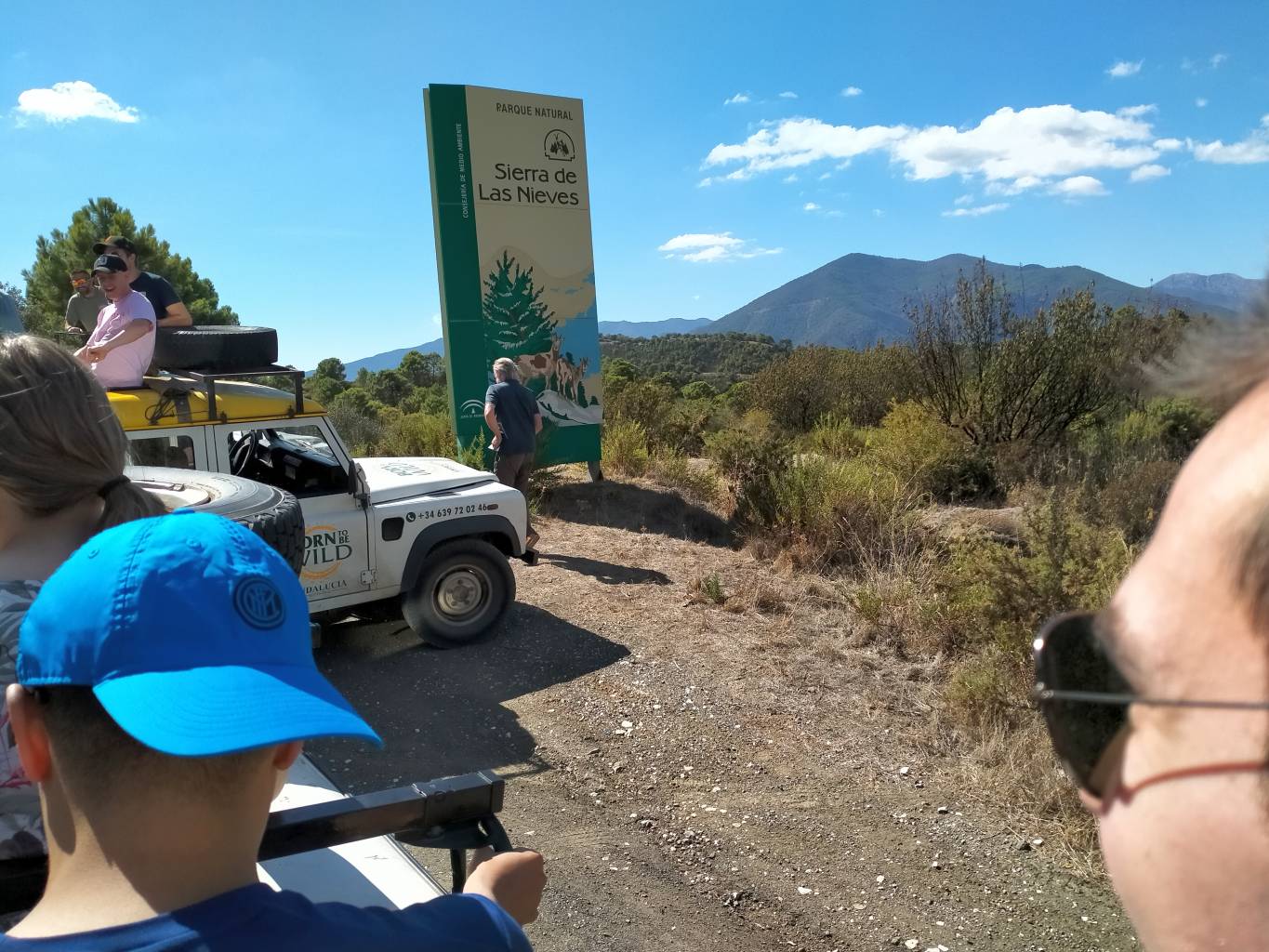
Sierra de las Nieves
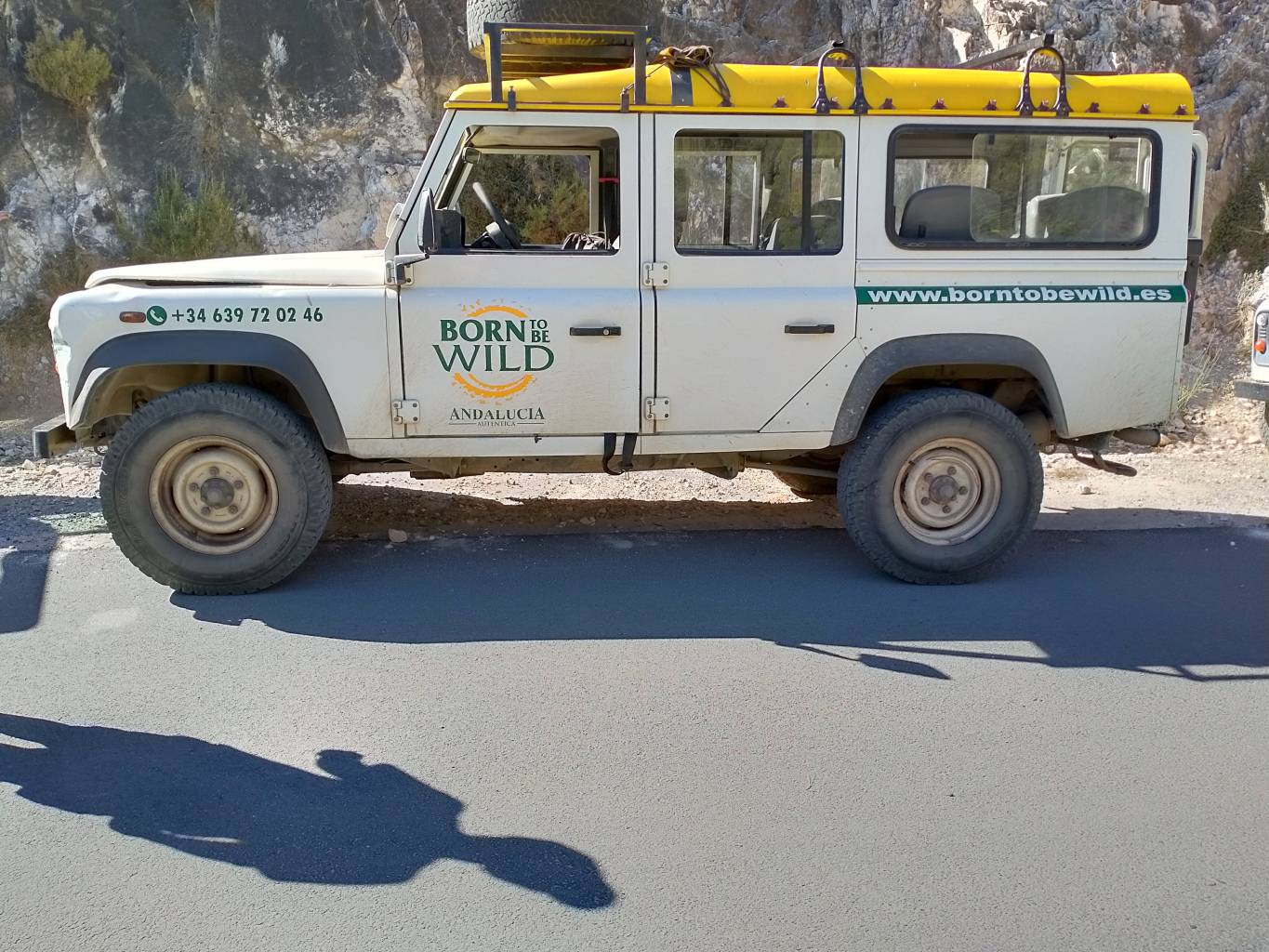
Beyond the coastal city lights lies the rugged wilderness of Sierra de las Nieves National Park. Pinsapo Forests are the rare, prehistoric Spanish fir tree native to the Sierra de las Nieves National Park.
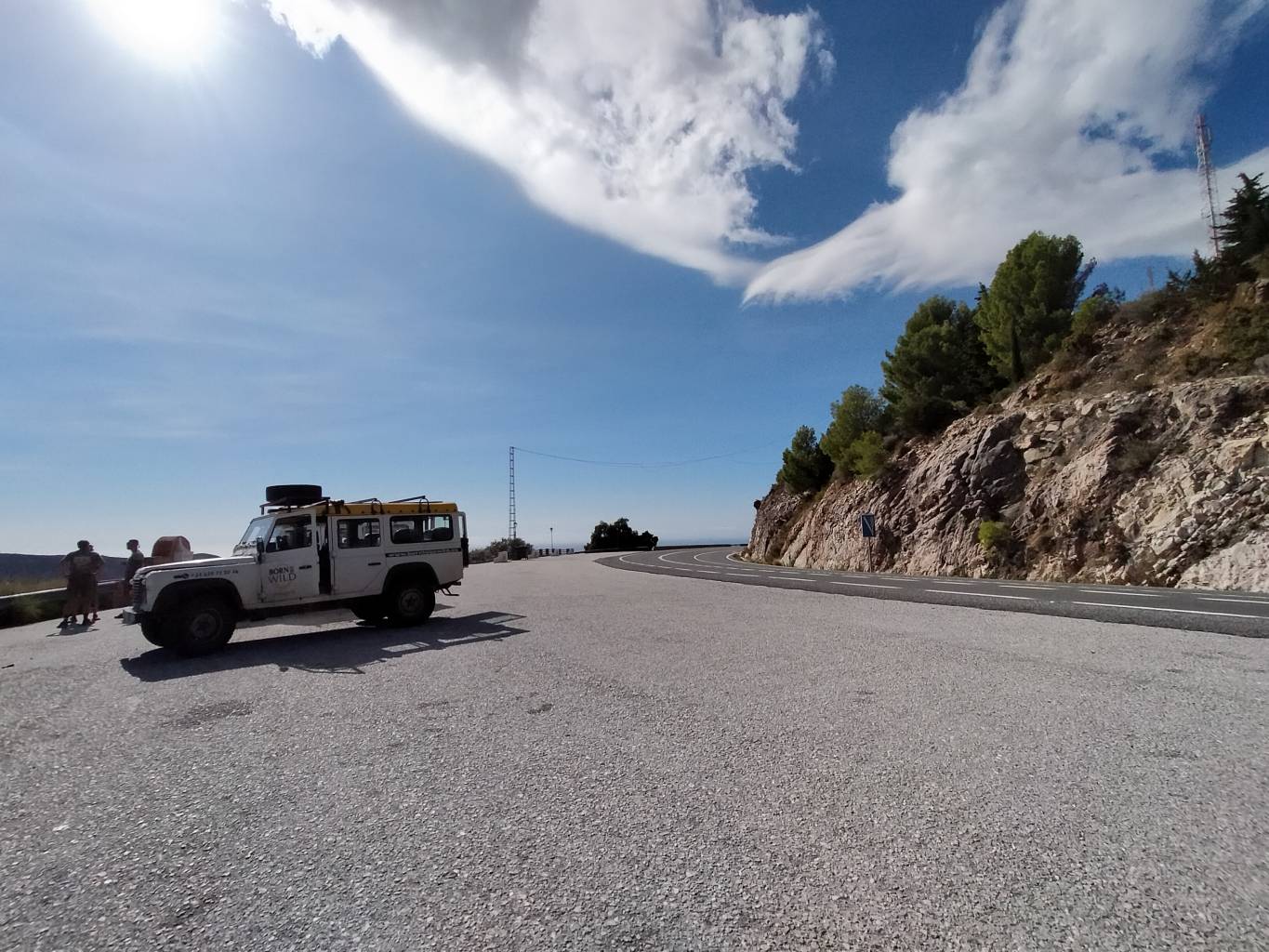
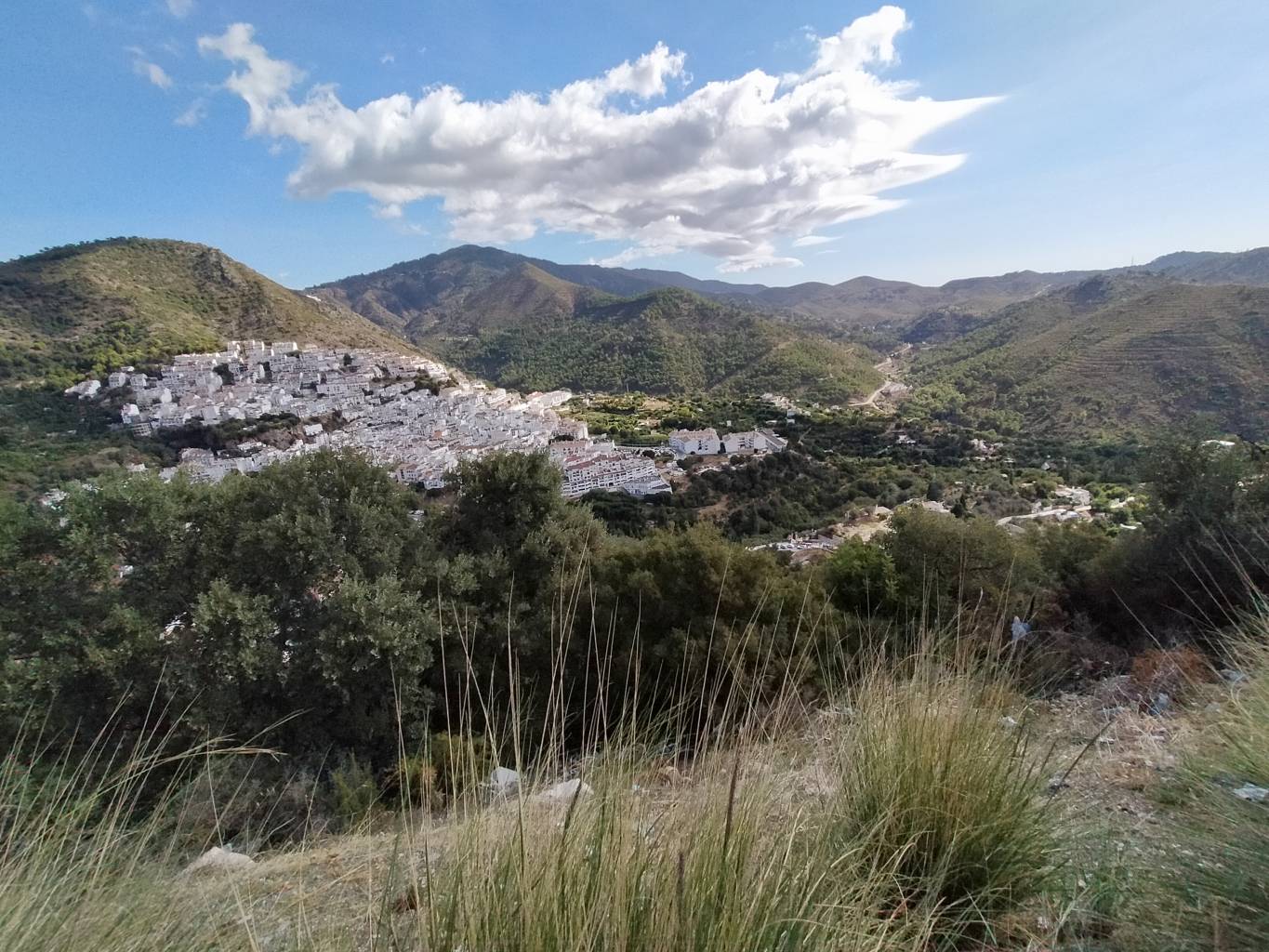
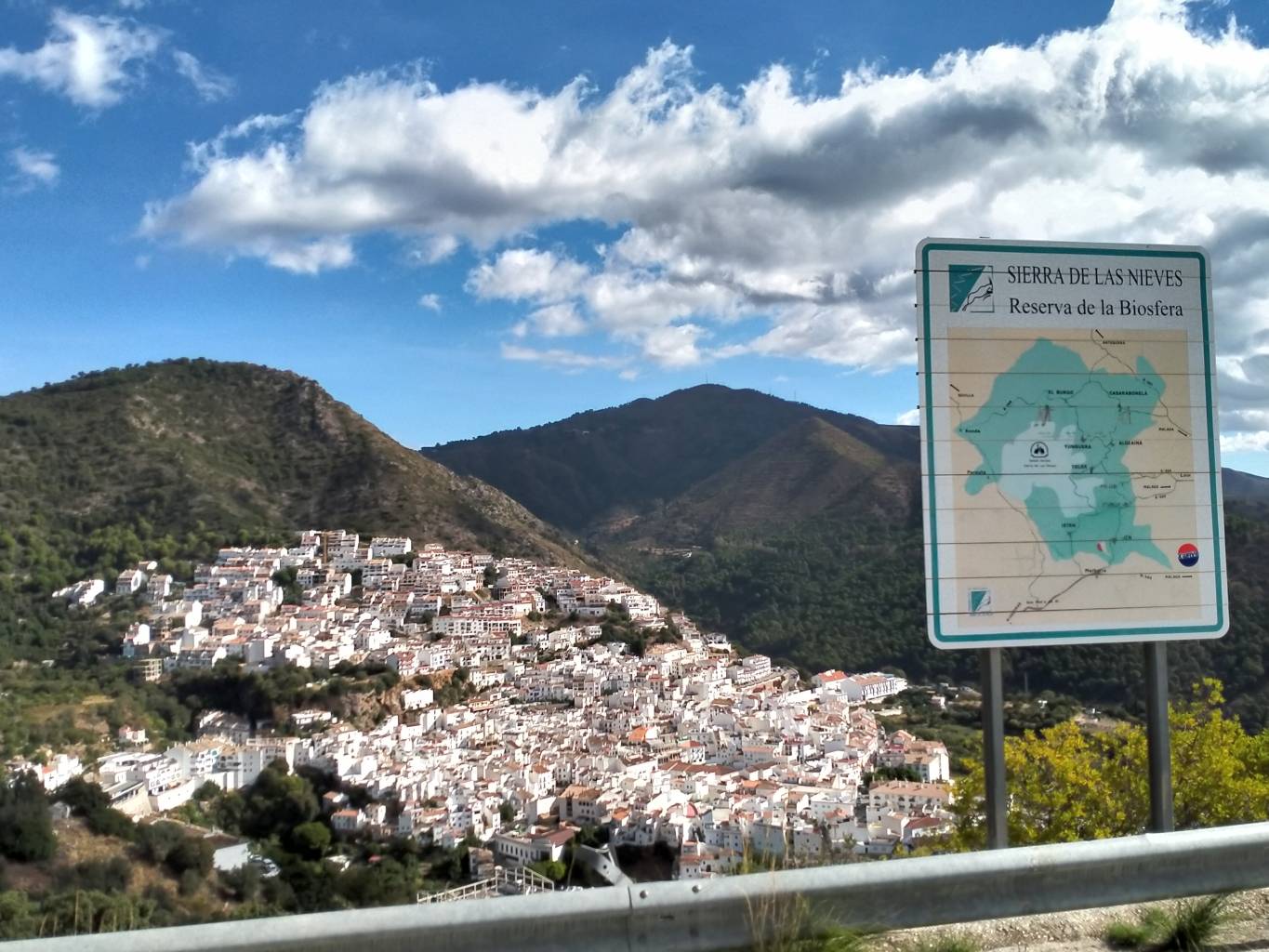
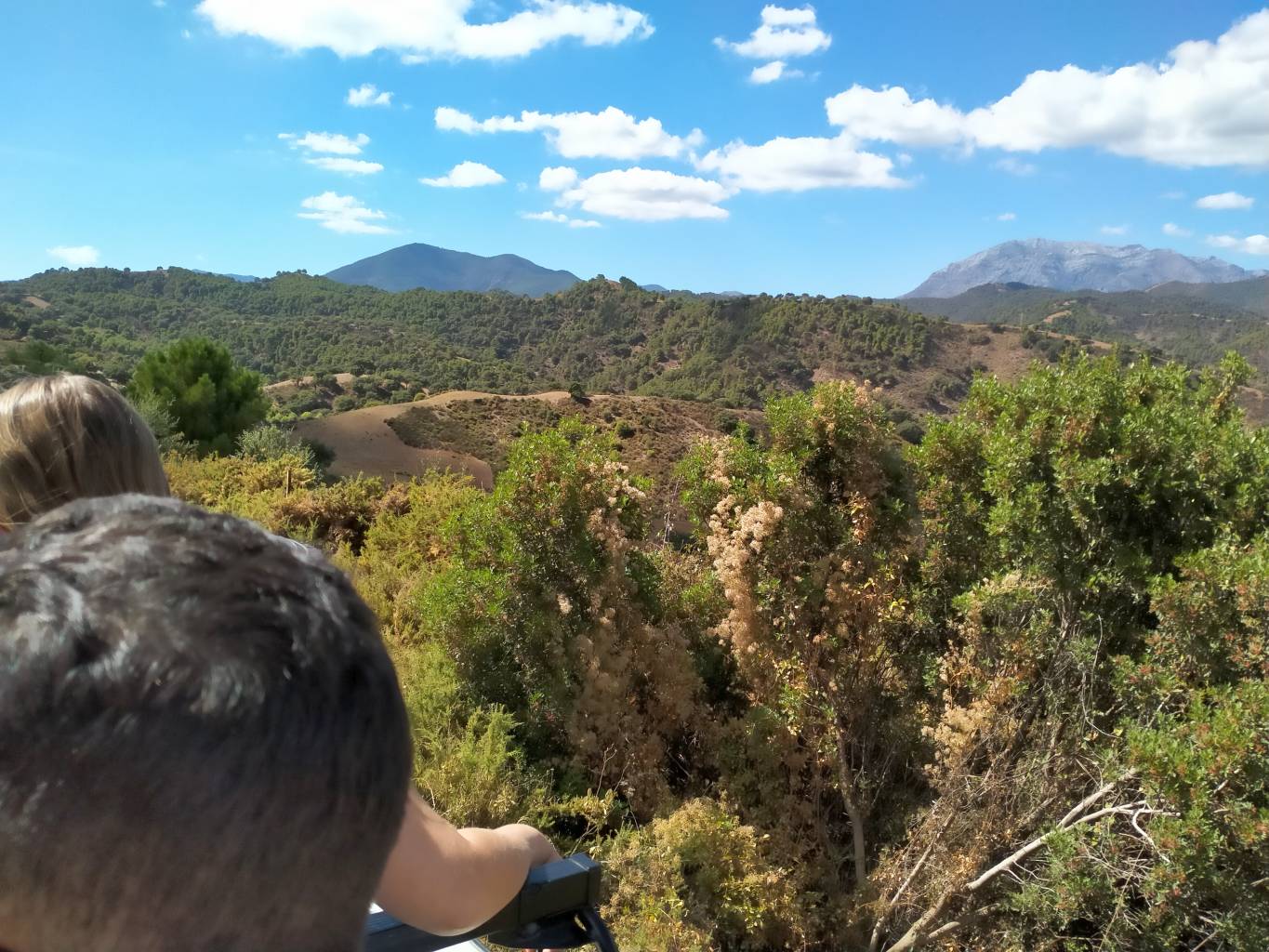
The Pueblos Blancos of Andalusia
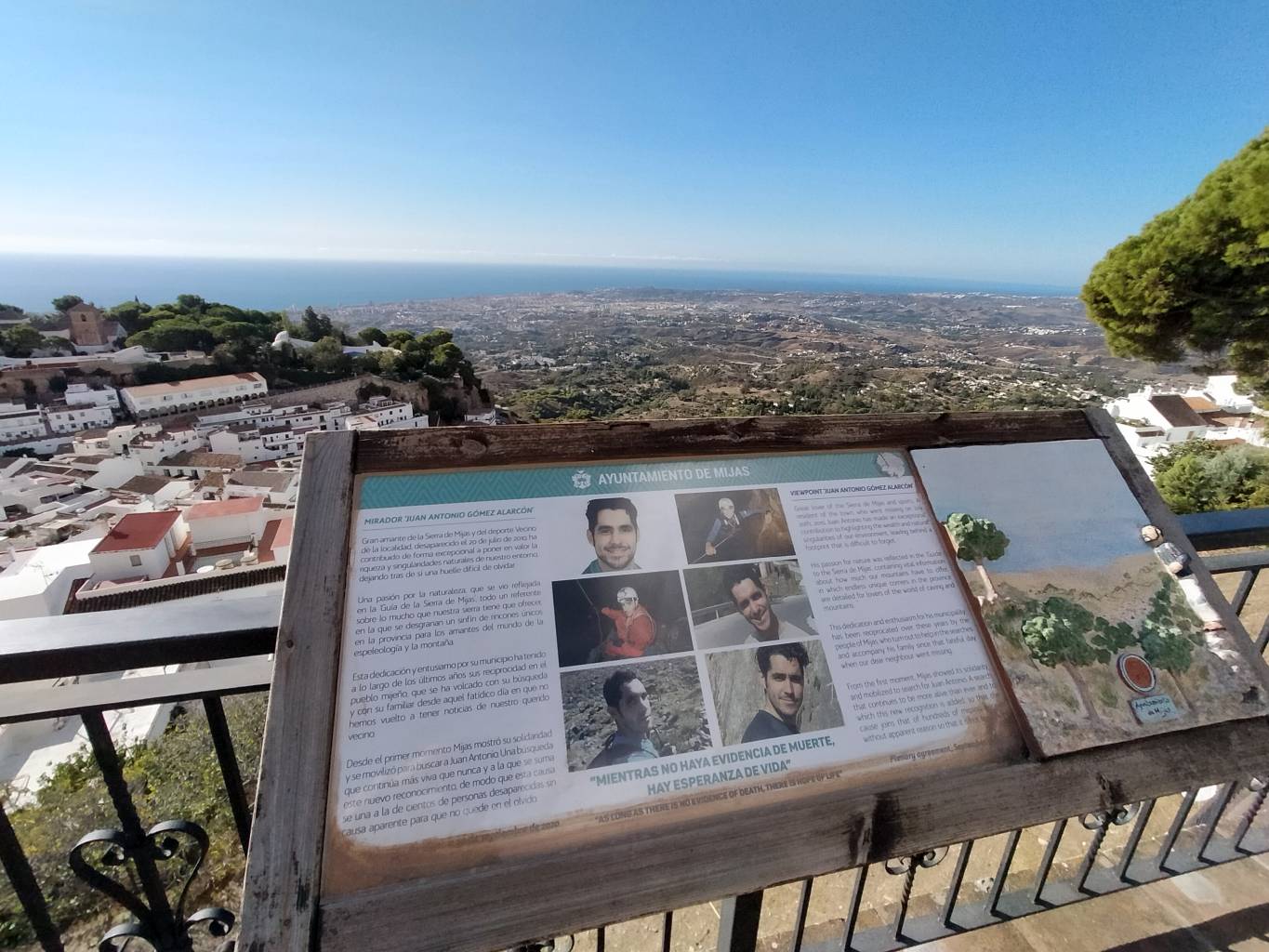
Beyond the coast of Málaga and the peaks of Sierra de las Nieves lie these incredible, blindingly white mountain villages.
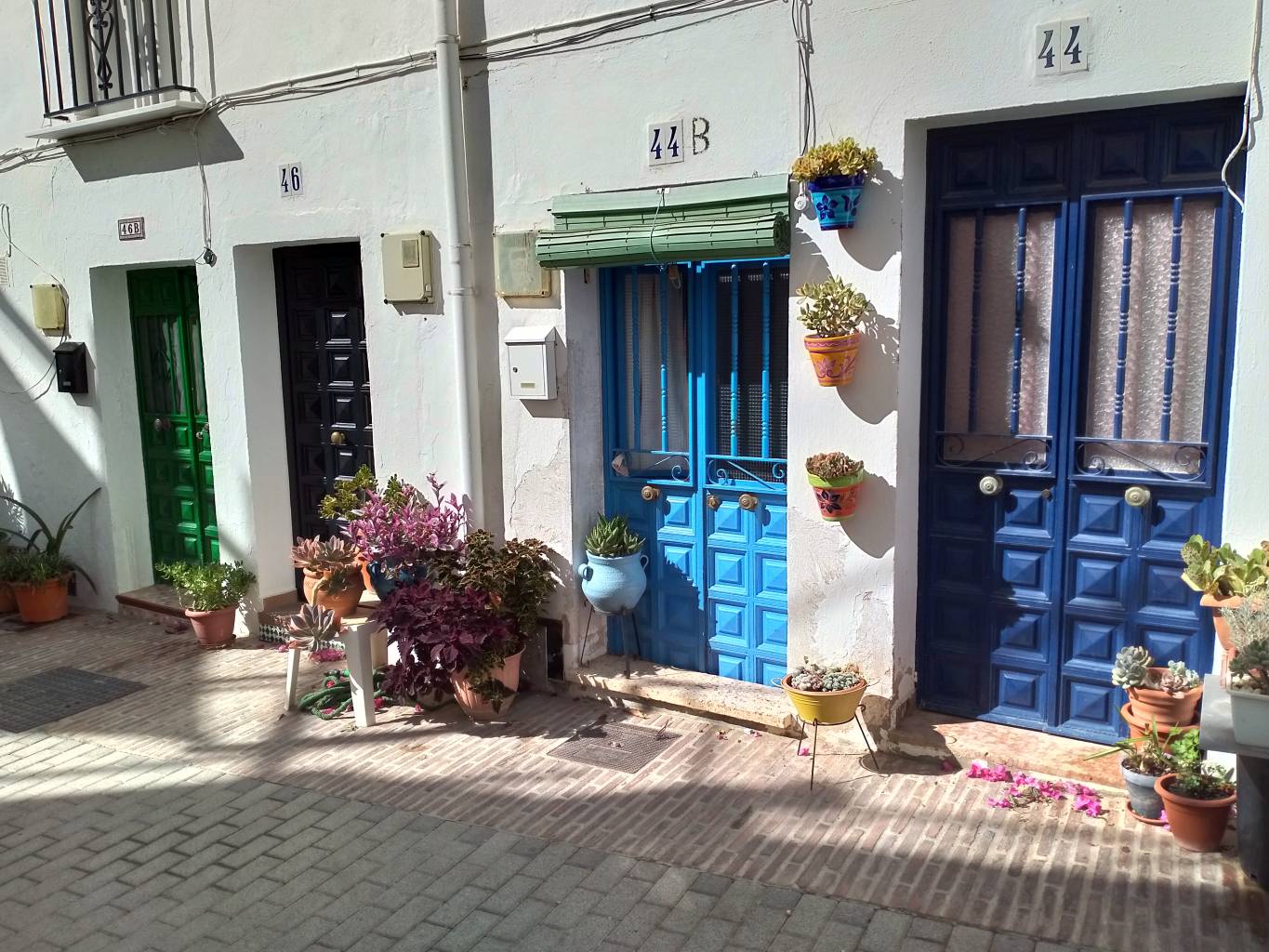
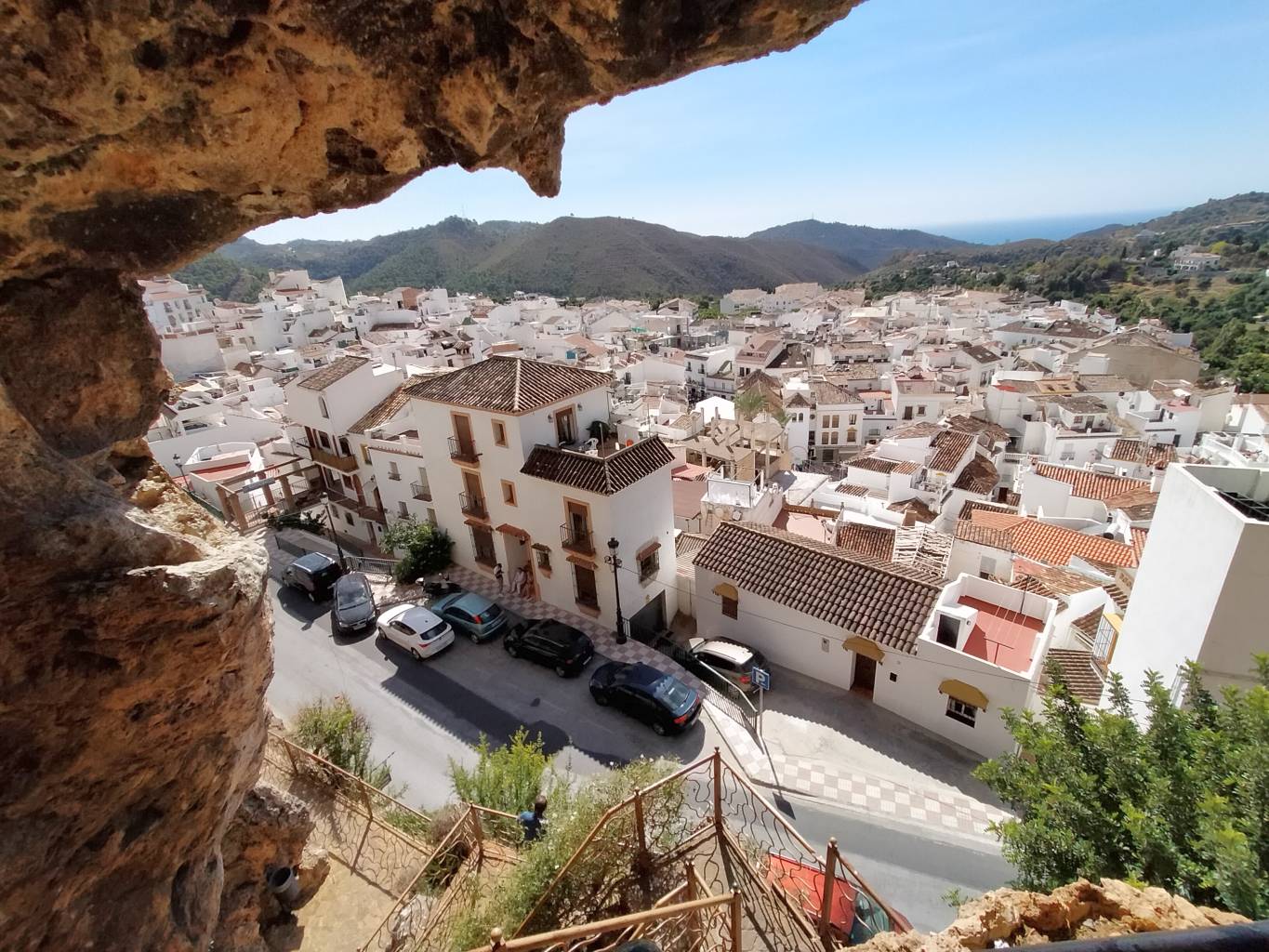
Walking their narrow, winding alleys feels like stepping back in time. Most of these Pueblos Blancos trace their origins back over a thousand years to the period of Al-Andalus, when Moorish settlers built fortified towns high on steep hilltops for defense and survival. The iconic white walls aren’t just for aesthetics—traditionally, local lime (cal) was used to reflect the blistering summer heat and disinfect homes.
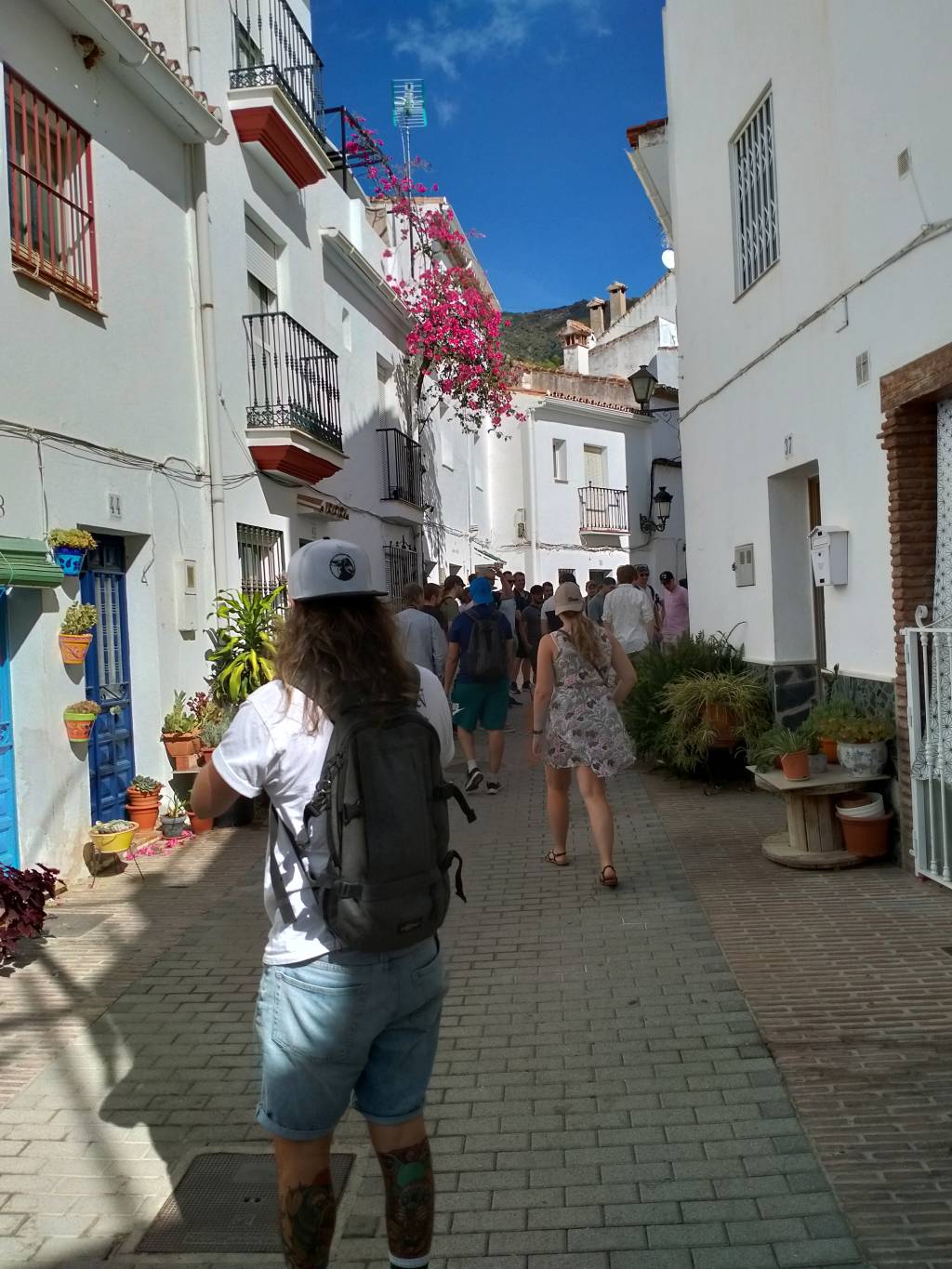
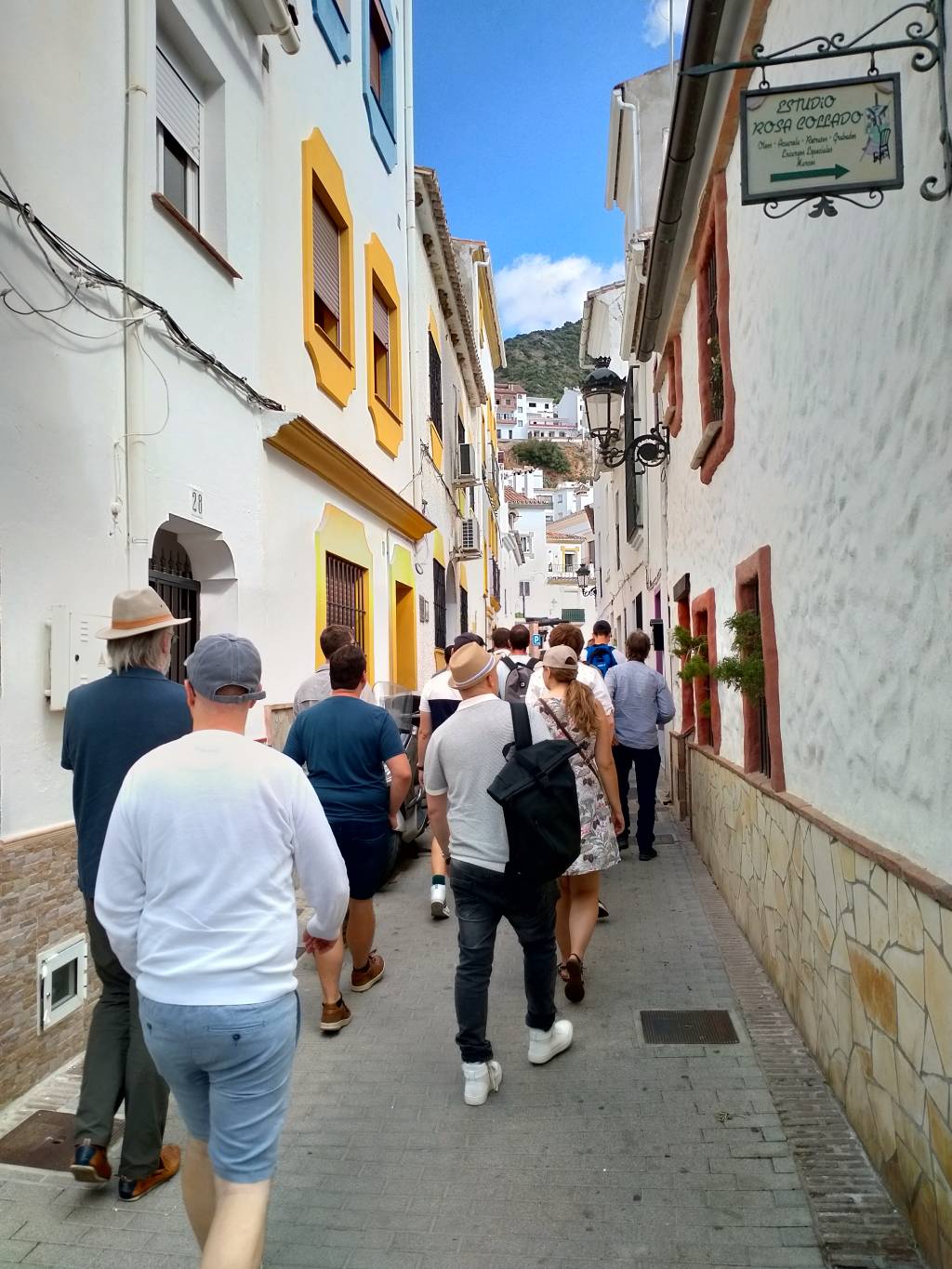
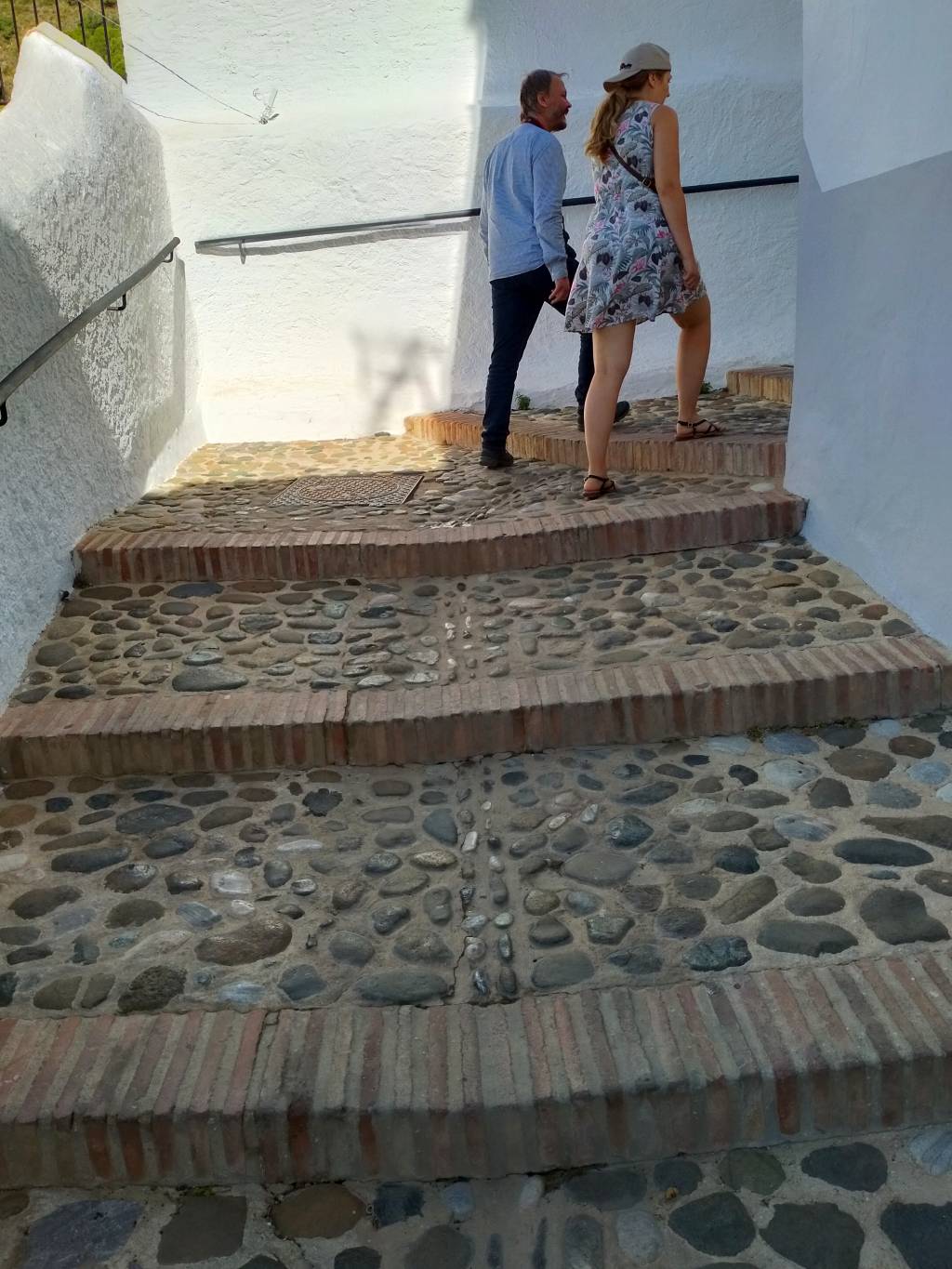
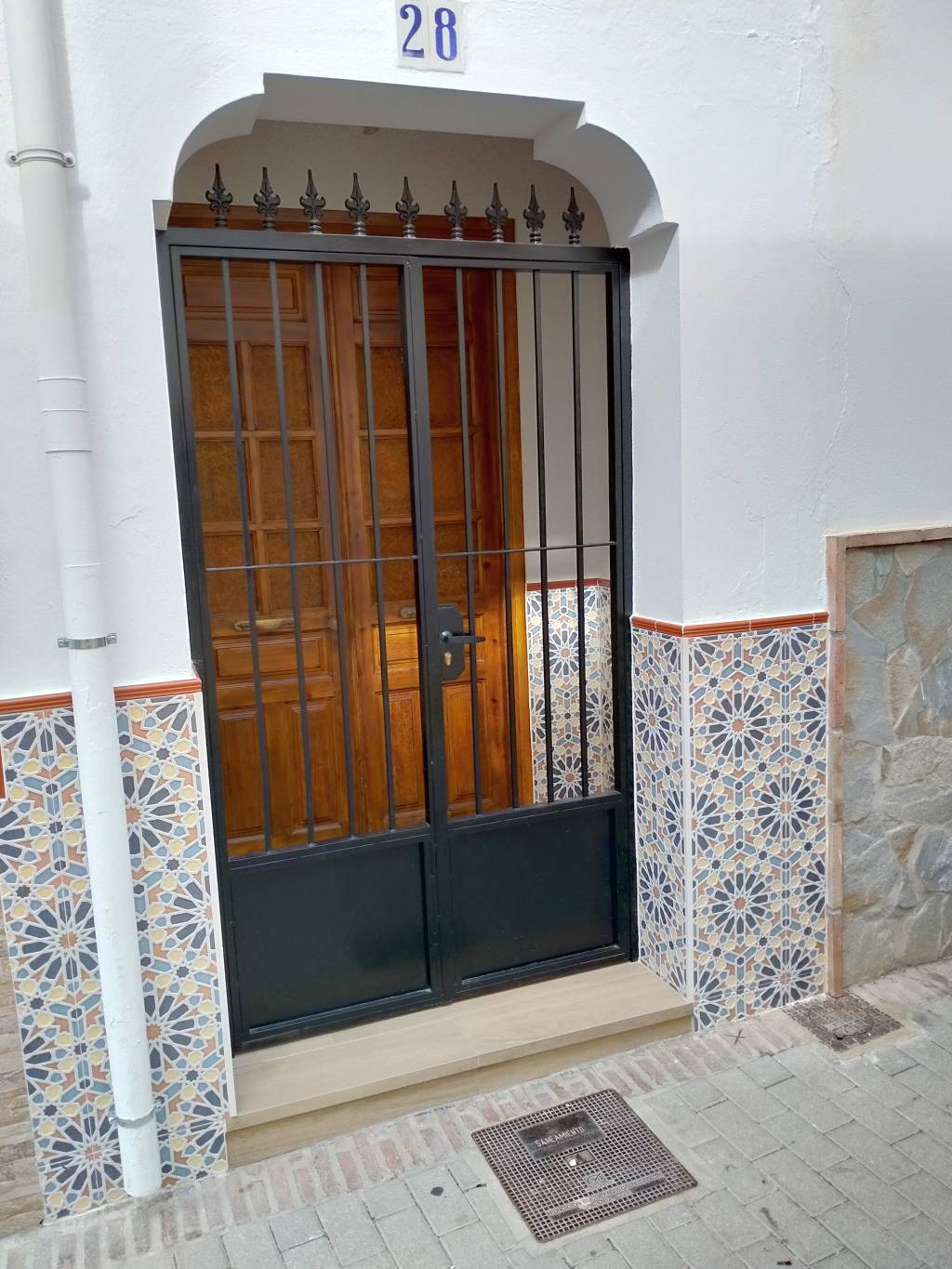
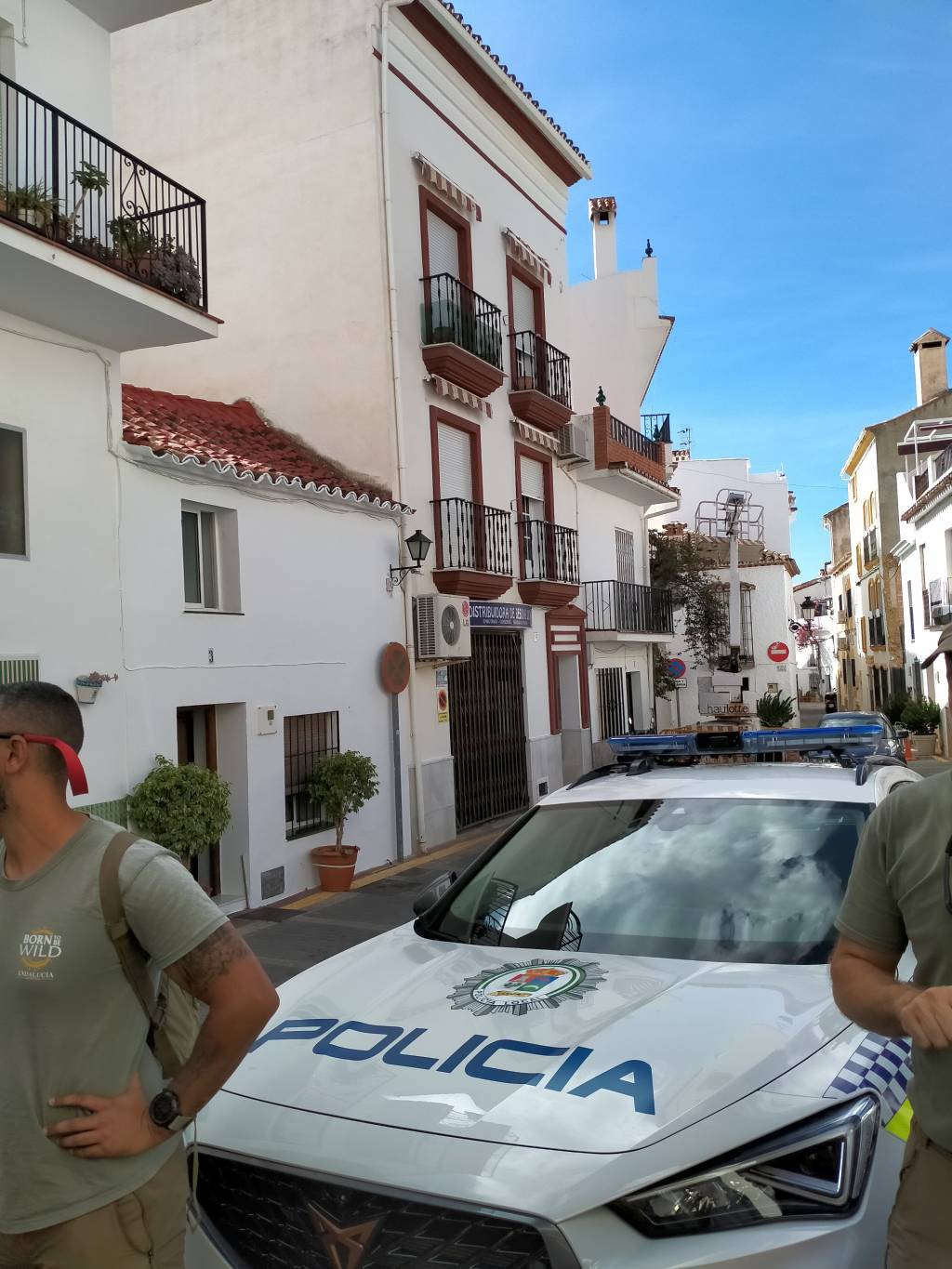
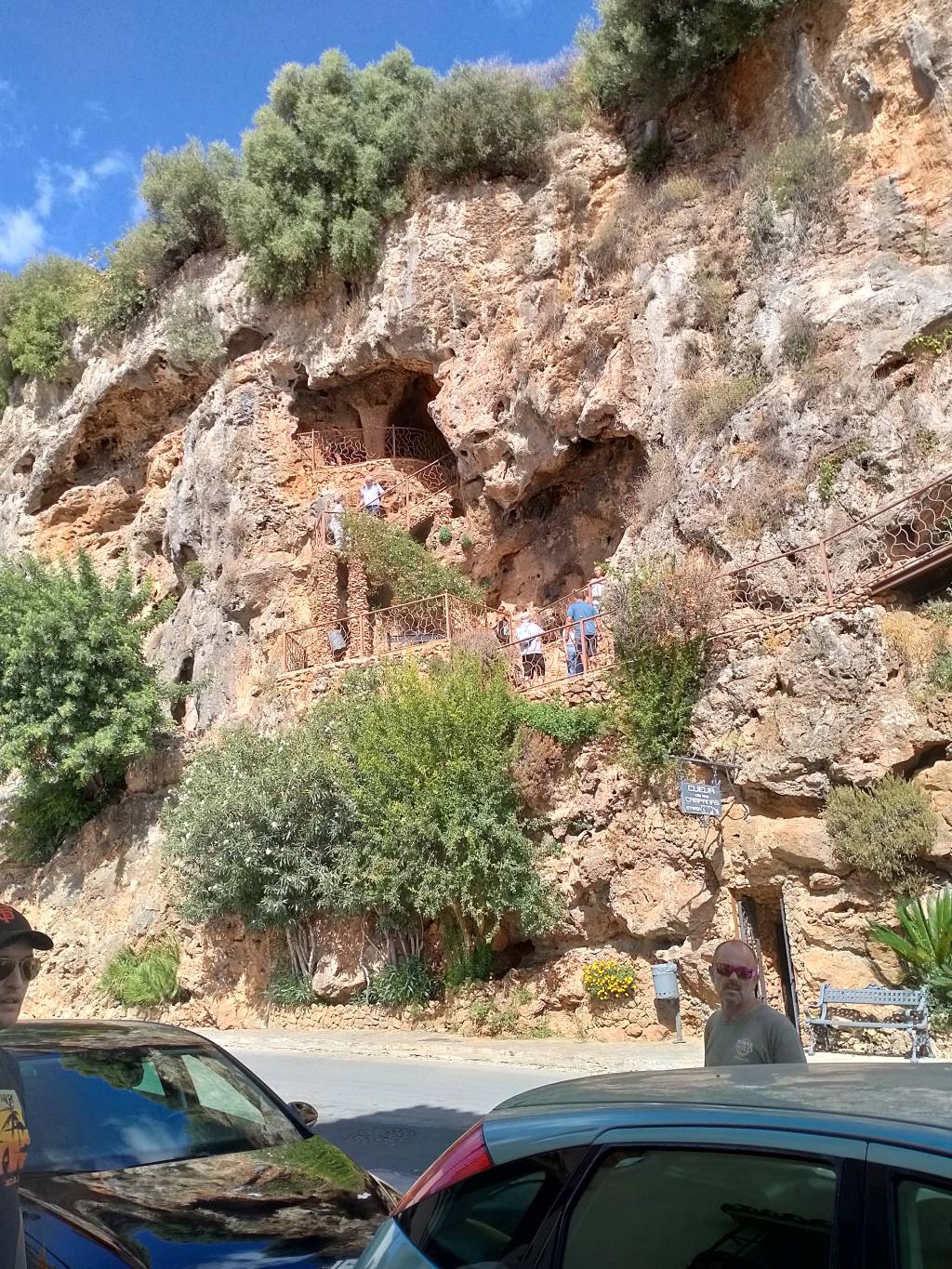
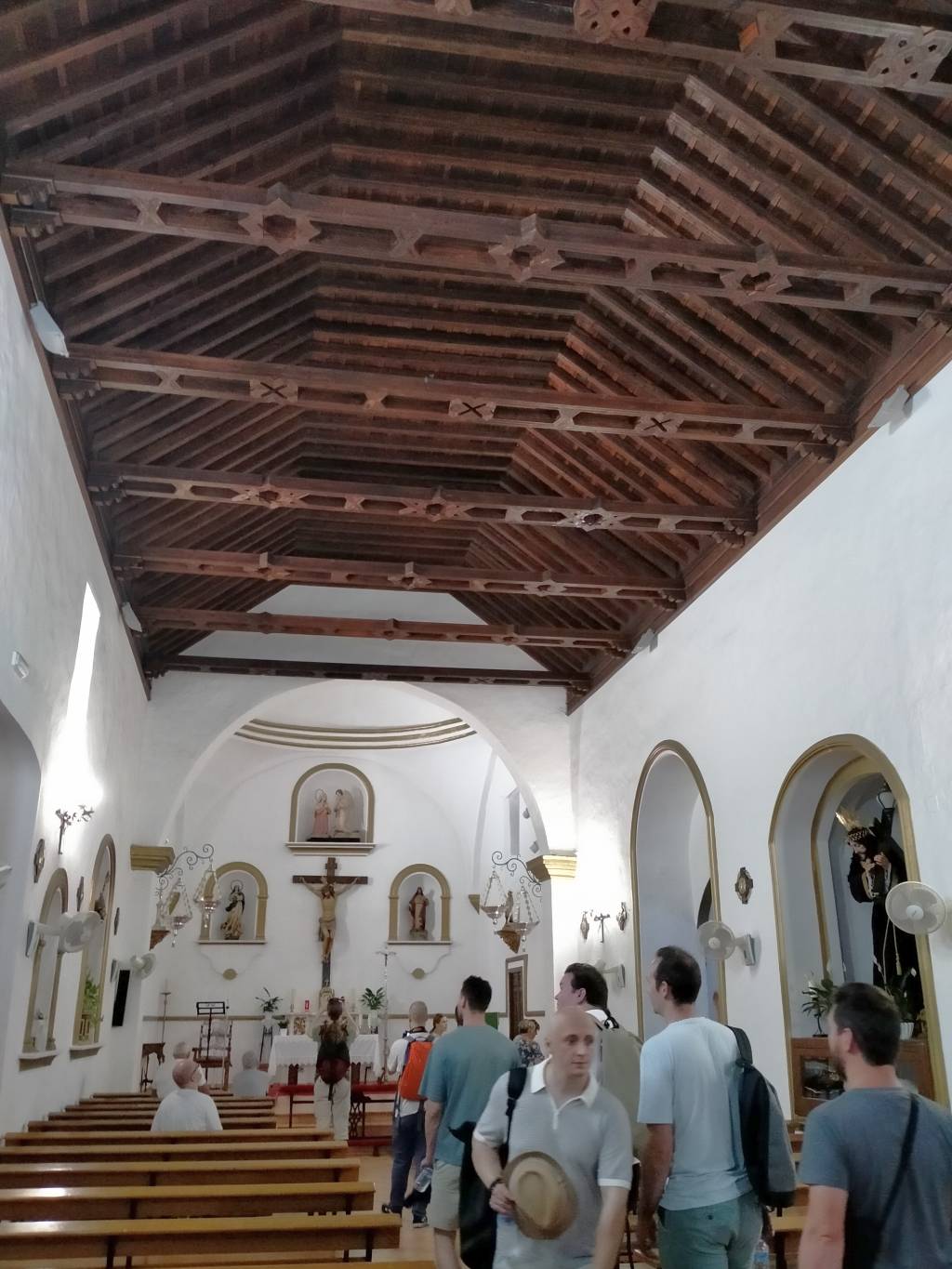
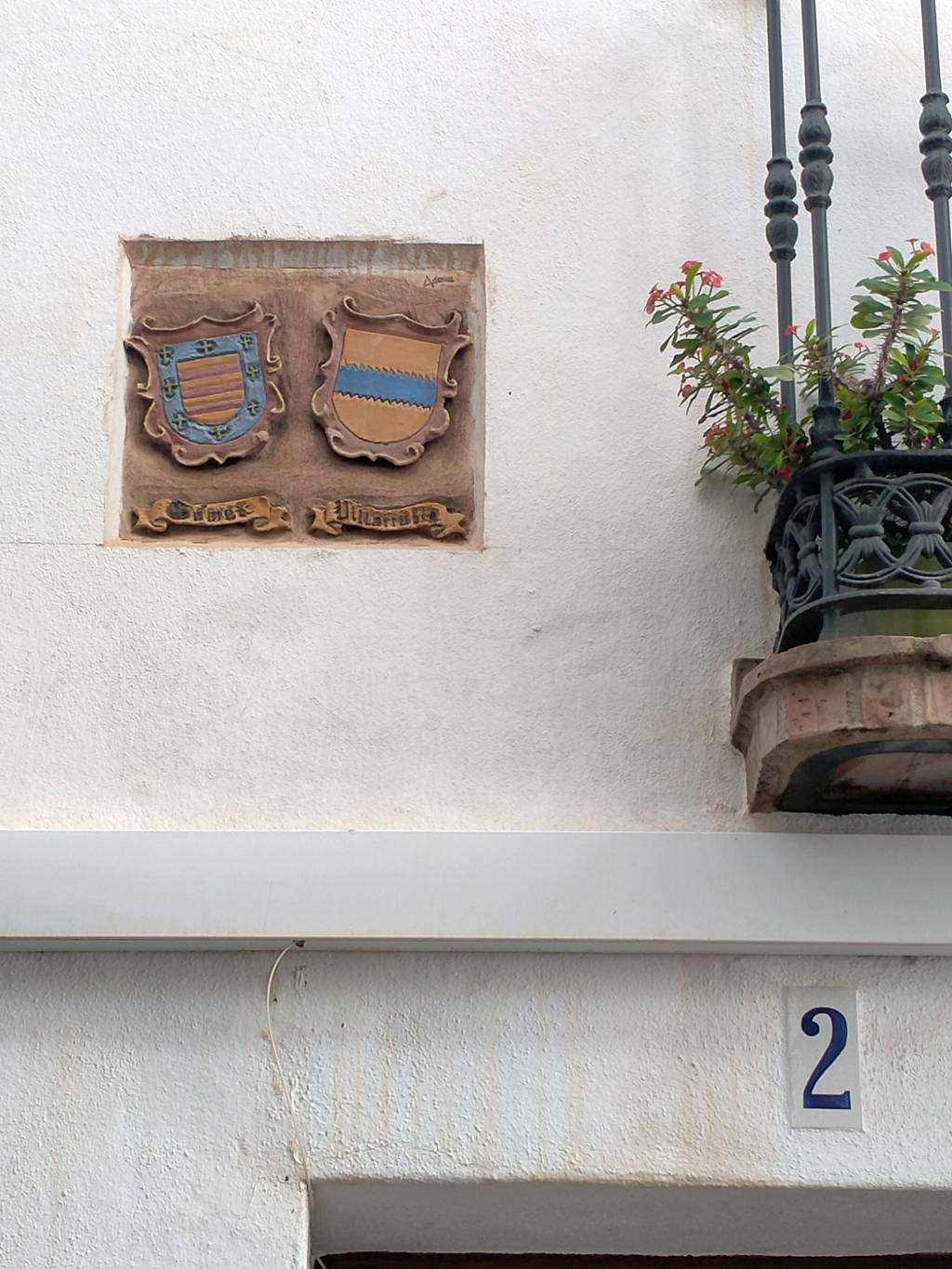
Established primarily during the 8th to 15th centuries under Islamic rule, these Pueblos Blancos were deliberately positioned on sheer crags and hilltops to act as natural watchtowers and fortresses. Their labyrinthine, narrow streets were designed to confuse invading armies and trap cool mountain breezes. After the Reconquista, Christian churches were raised over former mosques, creating a unique Mudar-Gothic architectural fusion. Today, the tradition of whitewashing walls with slaked lime endures—keeping the homes cool under the Andalusian sun while preserving centuries of heritage.